In the relentless hustle of American life, where productivity is prized and schedules are packed, sleep is often the first sacrifice we make. We fuel ourselves with caffeine, push through fatigue, and treat rest as a luxury rather than a non-negotiable biological necessity. But a quiet revolution is underway. A growing body of scientific evidence, coupled with a cultural shift towards wellness, is reminding us of a fundamental truth: sleep is the foundation upon which everything else is built.
Your cognitive function, emotional resilience, physical health, and overall quality of life are inextricably linked to the quality of your sleep. And the single most significant factor influencing that quality, outside of lifestyle habits, is your environment—specifically, your bedroom.
This isn’t just about a place to crash. This is about intentionally designing a sanctuary: a dedicated space that signals to your brain and body that it’s time to shut down, recharge, and restore. For the average American, who spends about one-third of their life in bed, transforming the bedroom from a multi-purpose storage-and-screen zone into a true haven for sleep is one of the most impactful investments they can make in their well-being.
This guide is your blueprint. We will move beyond generic advice and delve deep into the core components of a sleep sanctuary, providing expert-driven, practical, and actionable advice on everything from the monumental (choosing your mattress) to the minute (the ideal room temperature). Welcome to your journey toward creating the perfect sleep sanctuary.
Chapter 1: The Heart of the Sanctuary – The Unbiased Mattress Guide
The mattress is the cornerstone of your sleep sanctuary. It’s a significant purchase, both financially and for its impact on your health. Navigating the modern mattress landscape—from overwhelming online options to high-pressure store showrooms—can be a nightmare in itself. Let’s demystify the process.
Understanding the Core Mattress Types
First, you must understand the fundamental materials and constructions available.
1. Memory Foam
- How It Feels: Known for its signature “hug” and body-contouring feel. It cushions pressure points like hips and shoulders by molding to your body shape.
- Pros: Excellent motion isolation (ideal if your partner tosses and turns), great pressure relief, generally quiet.
- Cons: Can sleep “hot” due to dense foam trapping body heat (though newer gels and open-cell foams combat this), some dislike the “sinking” feeling, and it can be heavier and more difficult to move.
- Best For: Side sleepers, couples, and those with joint or pressure point pain.
2. Innerspring (Coil)
- How It Feels: The traditional mattress, offering a bouncy, firm, and responsive feel with more “push-back” than foam.
- Pros: Generally more affordable, excellent airflow for a cooler sleep, firm edge support makes getting in and out of bed easier.
- Cons: Poor motion isolation (you’ll feel your partner move), coils can squeak over time, and can develop sagging in the body impressions over the years.
- Best For: Stomach and back sleepers who need firm support, hot sleepers, and those who prefer a more traditional, bouncy feel.
3. Hybrid
- How It Feels: A “best of both worlds” approach, typically combining an innerspring coil system with thick layers of memory foam or latex on top.
- Pros: Blends the contouring and pressure relief of foam with the support, bounce, and cooling of coils. Excellent for a wide range of sleepers.
- Cons: Often the most expensive option, can be very heavy.
- Best For: Almost anyone, but particularly those who want the benefits of foam without the heat retention, or couples with different sleep preferences.
4. Latex
- How It Feels: Responsive and buoyant, with a slight bounce. It contours without the deep sink of memory foam, offering a more “on top of the bed” feeling.
- Pros: Naturally cooling and breathable, very durable and long-lasting, hypoallergenic and resistant to dust mites and mold. Available in natural (from rubber trees), synthetic, or blended forms.
- Cons: Can be very heavy and expensive, especially 100% natural latex. The feel is distinct and not for everyone.
- Best For: Hot sleepers, those with allergies, and people seeking a durable, eco-friendly option with a responsive feel.
The Sleep Position & Body Type Matrix
Your preferred sleep position and body weight are the two most critical factors in choosing the right firmness and type.
| Sleep Position | Recommended Feel & Support | Why? |
|---|---|---|
| Side Sleepers | Medium-Soft to Medium with excellent pressure relief. | Softer surfaces allow the shoulder and hip to sink in, keeping the spine in a neutral alignment. A mattress that’s too firm will cause misalignment and pain. Memory foam and soft hybrids are often ideal. |
| Back Sleepers | Medium-Firm with balanced support and contouring. | You need enough cushioning for the lumbar spine but enough support to prevent the hips from sinking too deeply. Hybrids, firmer memory foam, and innersprings work well. |
| Stomach Sleepers | Firm with minimal sinkage. | The primary goal is to keep the hips elevated and aligned with the spine to prevent lower back strain. A soft mattress will cause the torso to sink, creating a U-shape in the spine. Firm innersprings or hybrids are best. |
| Combination Sleepers | Medium with a responsive surface (hybrid or latex). | You need a mattress that makes it easy to change positions without feeling “stuck” in the foam. A responsive, medium-firm mattress offers the best versatility. |
Body Weight Considerations:
- Under 130 lbs: Softer mattresses will feel firmer to you, as you won’t compress the materials as much. Look for plush models that you can still sink into.
- 130 – 230 lbs: This is the range most mattresses are designed for. You can follow the guidelines above with confidence.
- Over 230 lbs: You need a durable, supportive mattress to prevent premature sagging. Look for high-density foams, reinforced coil systems (hybrids are great), and firmer options. Avoid all-foam beds with low-density materials.
The Modern Buying Experience: Online vs. In-Store
The Online Mattress Revolution (Brands like Casper, Purple, Saatva):
- Pros: Convenient, often more affordable due to cut-out middlemen, lengthy sleep trials (100+ nights), hassle-free returns (they usually arrange pickup and donation), and straightforward policies.
- Cons: You can’t try before you buy (though the trial mitigates this), returning a mattress can feel wasteful (even if it’s donated), and the sheer number of options can be paralyzing.
The Traditional Retail Store (Mattress Firm, local stores, department stores):
- Pros: The ability to lie down on multiple models for at least 10-15 minutes each, immediate access to sales staff (good ones can be very knowledgeable), and immediate take-home availability.
- Cons: High-pressure sales tactics, confusing “exclusive model” names that prevent price comparison, and often shorter or more restrictive return policies.
Expert Tip: A hybrid approach is often best. Research online to narrow down 2-3 brands and types that fit your profile. If possible, visit a store that carries some of those brands or similar models to get a feel for the material. Then, make your purchase with the confidence of a lengthy home trial.
Chapter 2: Mastering Light & Sound – The Unsung Heroes of Sleep
Once your foundation is set, it’s time to control your environment. Light and noise are two of the most common and disruptive barriers to falling and staying asleep.
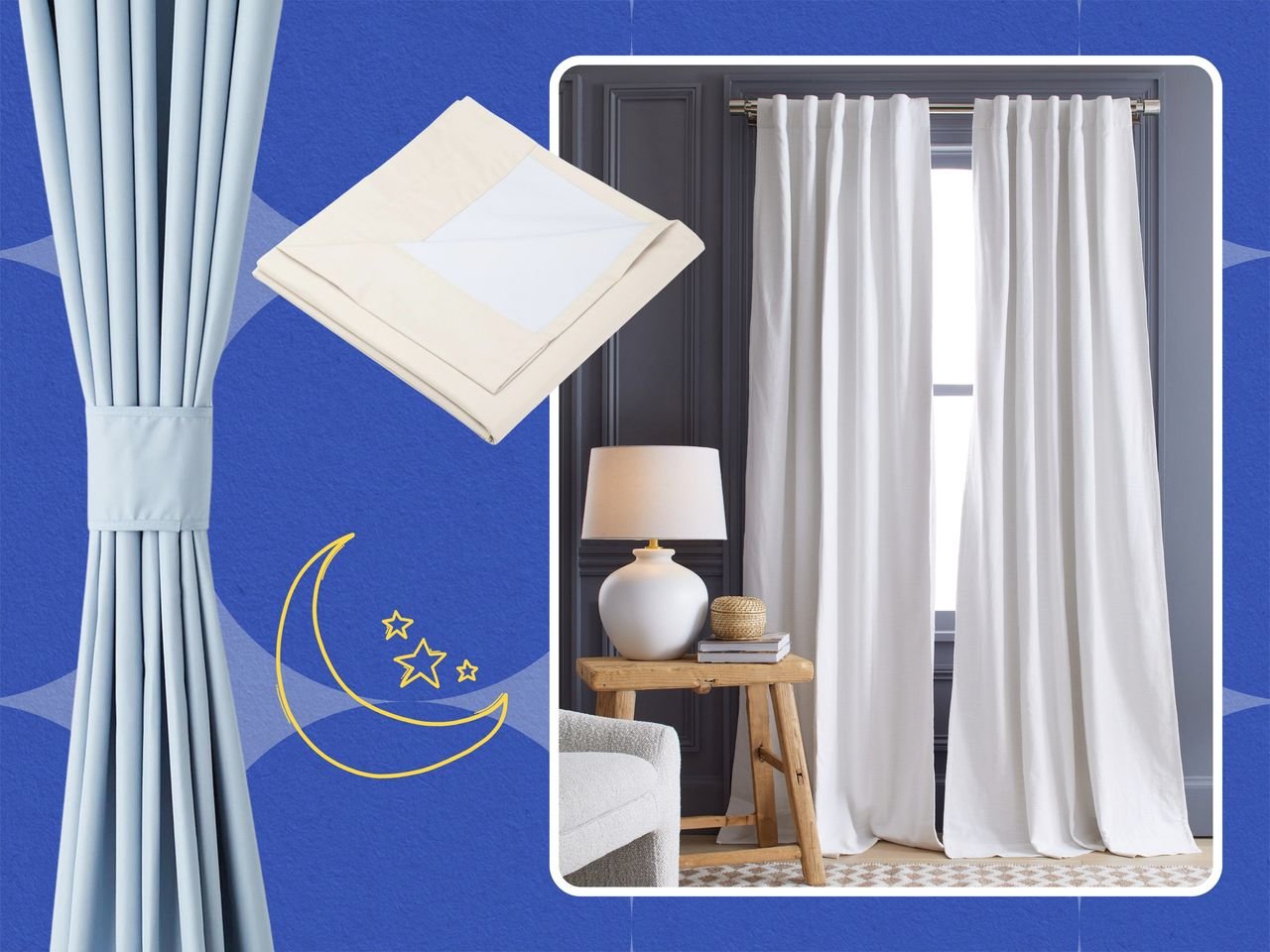
The Absolute Necessity of Blackout Curtains
Your body’s sleep-wake cycle is governed by circadian rhythms, which are exquisitely sensitive to light. Even the faint glow of a streetlamp or an early sunrise can suppress melatonin production and pull you out of deep sleep.
What to Look For in Blackout Curtains:
- Material & Lining: True blackout curtains have a thick, often rubberized, backing layer that physically blocks light. Look for terms like “100% blackout” or “total blackout.” Linen or canvas weaves are less effective than tightly woven polyester or velvet.
- Color & Size: Darker colors (charcoal, navy, black) are most effective at absorbing light. For maximum effectiveness, the curtain rod should be extended well beyond the window frame, and the curtains should pool slightly on the floor or at least touch it. This prevents light from leaking around the edges.
- Professional-Grade Alternative: Blackout Liners. If you love your current curtains, you can purchase separate blackout liners that hang behind them. For a truly foolproof, budget-friendly solution, consider a tension rod blackout shade that fits snugly inside the window frame, behind your main curtains.
Pro Tip: Combine layers. A blackout shade inside the frame, paired with floor-to-ceiling blackout curtains, creates a “panic room” level of darkness that is ideal for shift workers or those living in urban areas with significant light pollution.
Taming the Noise Pollution Beast
Unwanted sound—from snoring partners and neighborhood traffic to early-morning garbage trucks—can fragment sleep and increase stress levels.
Solutions, from Simple to High-Tech:
- White Noise Machines: These devices produce a consistent, ambient sound (like static, rain, or a fan) that masks disruptive noises. The constant sound gives your brain a neutral signal to focus on, allowing sudden noises to get lost in the mix. This is the most effective and recommended solution for most people.
- Smartphone Apps: Many free and paid apps offer high-quality white noise, pink noise (softer, like steady rain), and brown noise (deeper, like a waterfall). The downside is that it requires your phone to be on and powered all night.
- Earplugs: A simple, low-cost option. Modern high-fidelity earplugs for sleeping, made from soft silicone or foam, are comfortable and effective. They are especially useful for travel.
- Soundproofing Touches: While full soundproofing is a construction project, you can make a difference with soft surfaces. A thick rug on the floor, heavy curtains, and even upholstered furniture or wall hangings can absorb and dampen sound vibrations.
Chapter 3: Dialing in the Atmosphere – Temperature, Air Quality, and Aesthetics
The physical feel of your room—its temperature, the air you breathe, and what you see when you open your eyes—profoundly affects your sleep quality.
The Goldilocks Zone: Optimal Temperature for Sleep
As you fall asleep, your core body temperature naturally drops to initiate and maintain sleep. A room that is too warm or too cold interferes with this process.
- The Science: The recommended temperature for optimal sleep is between 60-67° Fahrenheit (15-19° Celsius).
- Practical Application: Experiment within this range. Use your thermostat, a fan (which also provides white noise), or an air conditioner. In the winter, avoid piling on heavy blankets that can cause overheating; instead, use layers you can shed.
- Bedding’s Role: Breathable materials are key. Look for:
- Sheets: Natural fibers like cotton (especially long-staple varieties like Egyptian or Pima), linen, and bamboo are breathable and moisture-wicking. Avoid polyester blends if you sleep hot.
- Blankets & Duvets: Have a selection for different seasons. A wool or down-alternative duvet is great for winter, while a lightweight cotton quilt is perfect for summer.
Read more: Screen Sleepy? How to Detox from Blue Light for a Truly Restful Night
Breathe Easy: The Role of Air Quality
Stuffy, dry, or allergen-filled air can lead to congestion, coughing, and disrupted sleep.
- Humidity: Aim for a relative humidity of around 30-50%. A humidifier can add moisture to dry, winter air, soothing sinuses and preventing dry skin. A dehumidifier is essential in damp climates to prevent mold and dust mites.
- Air Purifiers: For those with allergies or asthma, a HEPA air purifier in the bedroom can be a game-changer. It removes airborne particles like pollen, pet dander, and dust, leading to clearer breathing and less nighttime congestion.
The Psychology of a Clutter-Free, Calming Space
Your bedroom should be a visual sedative. Clutter is a source of subconscious cognitive load, signaling “unfinished business” and creating low-grade stress.
- The “Clutter-Free” Mandate: Make your bedroom a no-fly zone for laundry (clean or dirty), work projects, and general household junk. Invest in closed storage solutions like baskets, under-bed storage boxes, and a dresser with drawers.
- Color Psychology: Choose a calming, neutral color palette. Soft, cool tones like pale blue, sage green, lavender, and warm grays are scientifically shown to lower heart rate and blood pressure, promoting relaxation. Avoid bright, stimulating colors like red or orange.
- Intentional Decor: Choose a few pieces of art that evoke peace and tranquility—think serene landscapes or abstract pieces in soft colors. Incorporate personal photos that bring you joy, but avoid a chaotic gallery wall.
Chapter 4: The Final Touches – Building a Pre-Sleep Ritual
Your sanctuary is now physically optimized. But the transition from a busy day to a restful night doesn’t happen automatically. You need a ritual to bridge the gap.
The Digital Sunset
This is non-negotiable. The blue light emitted from smartphones, tablets, and laptops is the modern enemy of melatonin.
- The Rule: Power down all screens at least 60 minutes before your target bedtime.
- What to Do Instead: This is your time to engage in analog, calming activities. Read a physical book (no e-readers with backlights), practice gentle stretching or yoga, listen to calming music or a podcast (on a device without a bright screen), or write in a journal.
Calming the Mind and Body
- Meditation & Breathing: Apps like Calm or Headspace offer guided sleep meditations and breathing exercises (like the 4-7-8 technique) that are remarkably effective at quieting a racing mind.
- Aromatherapy: Scents have a direct pathway to the brain’s limbic system, which governs emotion. Using a diffuser with essential oils like lavender, chamomile, or cedarwood can powerfully signal to your body that it’s time to wind down.
- The Perfect Pillow: Don’t neglect this crucial partner to your mattress. Your pillow’s job is to keep your neck and spine in a neutral alignment.
- Side Sleepers: Need a thicker, firmer pillow to fill the space between ear and shoulder.
- Back Sleepers: Need a medium-thickness pillow for support without pushing the head too forward.
- Stomach Sleepers: Need a very soft, almost flat pillow, or may be better off without one.
Read more: The 10-Minute Wind-Down: An Evening Routine for the Overworked American
Conclusion: Your Sanctuary Awaits
Creating the perfect sleep sanctuary is not an act of indulgence; it is an act of profound self-care. It is a declaration that your health, your well-being, and your restoration matter. This transformation doesn’t have to happen overnight. It’s a process.
Start with the most impactful element—likely your mattress if it’s over 7-8 years old or causing you pain. Then, invest in darkness with blackout curtains. Dial in your temperature and declutter your space. Finally, commit to a digital sunset and a calming ritual.
Each step you take is an investment that pays dividends in sharper focus, a sunnier mood, a stronger immune system, and a greater capacity to enjoy your waking life. You deserve a space dedicated entirely to rest. Sweet dreams.
Frequently Asked Questions (FAQ)
Q1: I share my bed with a partner who has very different preferences (e.g., I like firm, they like soft). What’s the best solution?
A: This is a common challenge. You have several great options:
- A Hybrid Mattress: Often the best compromise, offering a universal medium-firm feel that balances support and comfort.
- A Split-King Adjustable Base: You can have two separate twin XL mattresses on a split king frame, allowing you each to choose your perfect firmness and adjust the head and foot of the bed independently.
- A Dual-Comfort Mattress: Some brands, especially online, offer mattresses where each side has a different firmness level.
- A Mattress Topper: This is a more budget-friendly fix. You can add a plush topper to your partner’s side while leaving your side firm.
Q2: How often should I really replace my mattress?
A: The general rule of thumb is every 7-10 years. However, this depends on the mattress quality, type, and your body weight. Signs you need a new one are visible sagging or body impressions deeper than 1.5 inches, waking up with stiffness or pain that improves as you move around, and noticing that you sleep better in other beds (like a hotel).
Q3: Are weighted blankets really effective for sleep?
A: For many people, yes. The deep touch pressure (DTP) from a weighted blanket (typically 10% of your body weight plus a pound or two) has a calming, grounding effect on the nervous system, similar to a hug. It can increase melatonin and decrease cortisol, helping to reduce anxiety and improve sleep onset. They are not recommended for very young children or those with respiratory or circulatory issues.
Q4: I live in a studio apartment. How can I create a sleep sanctuary in a multi-purpose space?
A: This requires intentional design to create psychological separation.
- Use a Room Divider: A decorative screen or a tall bookshelf can visually separate your bed from your living area.
- Define the “Bedroom” Zone: Use a large area rug solely under your bed area to anchor it as a distinct space.
- Manage Light & Sound: A sleep mask and high-quality white noise machine or earplugs become even more critical to block out activity and light from the other part of your studio.
- Meticulous “Closing” Ritual: At the end of the day, tidy the entire studio. Put away work materials and living room clutter. This signals that the entire space is now transitioning to rest mode.
Q5: What’s the single most important change I can make if I’m on a tight budget?
A: While a good mattress is the best long-term investment, the most impactful immediate and affordable change is to enforce a strict digital sunset and optimize your light environment. Putting your devices away 60 minutes before bed costs nothing. Pair this with a $20 sleep mask or some cheap pushpins and a blackout blanket to cover your window, and you will likely see a dramatic improvement in your ability to fall and stay asleep.