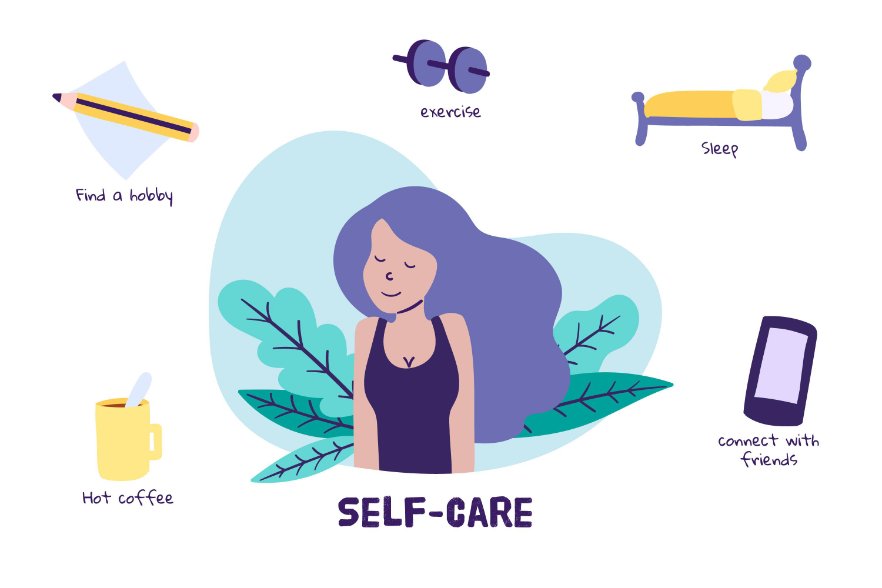
The term “self-care” has been co-opted by consumer culture. A quick online search paints a picture of scented candles, expensive skincare routines, and luxurious vacations. While there’s absolutely nothing wrong with indulging in these pleasures, they often represent a surface-level solution to deep-seated needs. True self-care is less about temporary escape and more about building a sustainable foundation of mental resilience and well-being.
If you’ve ever felt that a bubble bath, while relaxing, didn’t quite solve your underlying anxiety, low mood, or sense of burnout, you’re not alone. The fleeting comfort it provides is real, but it’s not the same as the profound, lasting shift that comes from practices grounded in science.
This article moves beyond the commercialized version of self-care to explore five evidence-based practices that have been rigorously studied and proven to enhance mental health. These are not quick fixes but foundational habits that rewire your brain, regulate your nervous system, and build your capacity to handle life’s inevitable challenges. We will delve into the mechanisms of why they work, drawing from psychology, neuroscience, and physiology, and provide you with practical, actionable steps to integrate them into your life.
The Pillars of Evidence-Based Self-Care
Before we dive into the specific practices, it’s crucial to understand what makes an approach “evidence-based.” In the context of mental health, this means the practice has been subjected to scientific research—often in the form of randomized controlled trials (the gold standard)—and has demonstrated statistically significant positive outcomes for conditions like depression, anxiety, and stress. These practices aren’t just “feel-good” ideas; they are tools that actively change the structure and function of your brain.
The five practices we will explore are:
- Move Your Body: The Neurochemical Power of Exercise
- Cultivate Mindfulness: Rewiring the Brain with Meditation
- Master Your Sleep: The Cornerstone of Emotional Regulation
- Harness the Power of Prosociality: Connection and Kindness as Medicine
- Engage in Values-Based Action: The Antidote to Avoidance
Practice 1: Move Your Body: The Neurochemical Power of Exercise
Most of us know that exercise is good for our physical health, but its impact on mental well-being is nothing short of remarkable. It’s not just about “blowing off steam”; it’s about initiating a cascade of beneficial neurobiological events.
The Evidence: Why It Works
- Neurotransmitter Boost: Exercise is a potent trigger for the release of endorphins, often called “feel-good” chemicals, which act as natural painkillers and mood elevators. More significantly, it increases levels of key neurotransmitters like serotonin, which regulates mood, sleep, and appetite, and norepinephrine, which influences attention and stress response. Low levels of these are heavily implicated in depression and anxiety.
- Brain-Derived Neurotrophic Factor (BDNF): Think of BDNF as fertilizer for your brain cells. Exercise significantly boosts BDNF, which supports the health of existing neurons and encourages the growth of new ones (neurogenesis), particularly in the hippocampus—a brain region critical for memory and learning that is often smaller in people with chronic depression and PTSD.
- Reduces Inflammation: Chronic low-grade inflammation is now recognized as a key player in the development of depression. Regular exercise has a powerful anti-inflammatory effect, helping to modulate the body’s immune response and protect the brain.
- Cognitive Behavioral Effects: On a psychological level, exercise provides a sense of mastery and accomplishment. Completing a workout, especially when you didn’t feel like it, builds self-efficacy. It also serves as a healthy distraction from cyclical negative thoughts.
Beyond the Gym: Practical Application
The goal is not to become an elite athlete overnight. The key is consistent, moderate movement.
- What Type? A combination is ideal:
- Aerobic Exercise: Running, brisk walking, swimming, cycling. Aim for 150 minutes of moderate-intensity or 75 minutes of high-intensity aerobic activity per week, as per WHO guidelines.
- Resistance Training: Weightlifting, bodyweight exercises (push-ups, squats). This has been shown to be particularly effective for reducing symptoms of anxiety and depression.
- Mind-Body Practices: Yoga and Tai Chi combine movement with breath awareness, offering a double benefit for stress reduction.
- How to Start (and Stick with It):
- Find Your “Why”: Connect exercise to a deeper value, like “being present with my kids” or “managing my stress to be a better partner,” rather than just “I should.”
- Start Small: A 10-minute walk is infinitely better than no walk. Consistency trumps intensity.
- Choose Enjoyment: You won’t stick with something you hate. If you despise running, don’t run. Try dancing, hiking, or a sport.
- Schedule It: Treat your workout like an important appointment you cannot miss.
Practice 2: Cultivate Mindfulness: Rewiring the Brain with Meditation
Mindfulness has moved from a niche spiritual practice to a mainstream therapeutic tool, and for good reason. It is the practice of purposely bringing one’s attention to the present moment without judgment.
The Evidence: Why It Works
- Changes Brain Structure: Neuroscientific studies using fMRI scans have shown that consistent mindfulness practice can increase gray matter density in the prefrontal cortex—the area responsible for executive functions like planning, decision-making, and emotional regulation. Simultaneously, it can decrease the size and activity of the amygdala, the brain’s fear center, which is responsible for the fight-or-flight response.
- Breaks the Cycle of Rumination: Depression and anxiety are often fueled by rumination—getting stuck in a loop of negative thoughts about the past or future. Mindfulness teaches you to observe these thoughts as passing mental events, rather than absolute truths, thereby breaking their power.
- Foundation for Therapies: Mindfulness is the core component of evidence-based therapies like Mindfulness-Based Stress Reduction (MBSR) and Mindfulness-Based Cognitive Therapy (MBCT). MBCT, in particular, has been shown to be as effective as antidepressant medication in preventing relapse in people with recurrent depression.
Beyond “Just Relaxing”: Practical Application
Mindfulness is a skill that requires practice. It’s not about emptying your mind, but about changing your relationship with your thoughts.
- Start with Formal Practice:
- The Breath: Sit comfortably and focus your attention on the physical sensation of your breath. When your mind wanders (which it will), gently bring it back without self-criticism. Start with 5-10 minutes a day.
- Guided Meditations: Use apps like Insight Timer, Calm, or Headspace to be guided through the process. This is an excellent way for beginners to learn.
- Incorporate Informal Practice:
- Mindful Eating: Eat one meal a day without distractions. Notice the colors, smells, textures, and flavors of your food.
- Mindful Walking: Pay attention to the sensation of your feet touching the ground, the rhythm of your stride, and the air on your skin.
- The STOP Method: Several times a day, Stop what you’re doing, Take a breath, Observe your thoughts, feelings, and bodily sensations, and Proceed with more awareness.
Practice 3: Master Your Sleep: The Cornerstone of Emotional Regulation
We often sacrifice sleep for productivity, but this is a catastrophic trade-off for our mental health. Sleep is not a passive state; it is an active and essential process for cognitive and emotional repair.
The Evidence: Why It Works
- Emotional Memory Processing: During the Rapid Eye Movement (REM) stage of sleep, your brain processes emotional experiences. It helps to strip away the intense emotional charge from the day’s events, allowing you to learn from them without being overwhelmed by the feeling. Poor sleep disrupts this process, leaving you more reactive and emotionally volatile.
- Amyloid Clearance: Your brain has a “glymphatic system” that acts like a waste-clearing function, and it is most active during deep sleep. It clears out metabolic byproducts, including beta-amyloid proteins, which are associated with Alzheimer’s disease and can impair cognitive function.
- Cognitive Restoration: Sleep is critical for memory consolidation (transferring short-term memories to long-term storage) and restoring attention and focus. Chronic sleep deprivation mimics the symptoms of ADHD and significantly impairs judgment.
- The Sleep-Stress Cycle: Lack of sleep activates the body’s stress response systems, increasing cortisol levels. Elevated cortisol, in turn, makes it harder to fall and stay asleep, creating a vicious cycle.
Beyond “Getting 8 Hours”: Practical Application
Quality and consistency are as important as quantity.
- Prioritize Consistency: Go to bed and wake up at roughly the same time every day, even on weekends. This stabilizes your circadian rhythm.
- Craft a Relaxing Bedtime Routine: Signal to your brain that it’s time to wind down. This could include:
- Dimming the lights an hour before bed.
- Reading a physical book (no screens).
- Taking a warm bath (the subsequent drop in body temperature promotes sleep).
- Practicing gentle stretches or breathing exercises.
- Optimize Your Environment:
- Darkness: Use blackout curtains or an eye mask.
- Coolness: A cool room (around 65°F or 18°C) is ideal for sleep.
- Quiet: Use earplugs or a white noise machine if needed.
- Manage Blue Light: The blue light from phones, tablets, and computers suppresses melatonin production. Avoid screens for at least an hour before bed, or use blue light filters and “night shift” modes.
Practice 4: Harness the Power of Prosociality: Connection and Kindness as Medicine
In an increasingly isolated world, intentional connection is a radical act of self-care. “Prosocial behavior”—actions aimed at benefiting others—is a surprisingly powerful tool for boosting our own mental health.
The Evidence: Why It Works
- The Helper’s High: Acts of kindness and generosity trigger the release of dopamine, serotonin, and endorphins, creating a “helper’s high.” They also stimulate the vagus nerve, which is central to the parasympathetic “rest-and-digest” nervous system, reducing stress and promoting feelings of calm.
- Reduces Inflammation: Just as chronic loneliness is a potent source of stress and inflammation, positive social connection has been shown to have an anti-inflammatory effect.
- Creates Meaning and Purpose: Helping others shifts the focus away from our own problems and connects us to something larger than ourselves. This sense of purpose is a core component of psychological well-being and resilience.
- Breeds Social Connection: Kindness often fosters reciprocity and strengthens social bonds, building a support network that is a critical buffer against mental health challenges.
Beyond “Being Nice”: Practical Application
This is about intentional, purposeful action, not passive friendliness.
- Perform Random Acts of Kindness: Pay for the coffee of the person behind you, leave a genuine compliment for a colleague, or donate to a cause you believe in.
- Volunteer Your Time: Find a local organization that aligns with your values. The structured, regular commitment often provides a greater sense of purpose than one-off acts.
- Practice Active Listening: In your conversations, make a conscious effort to listen to understand, not just to reply. Put away your phone, make eye contact, and ask open-ended questions.
- Express Gratitude: Write a heartfelt thank-you note or message to someone who has made a difference in your life. This benefits both the giver and the receiver.
Read more: Financial Anxiety in America: How Your Wallet is Impacting Your Wellness and What to Do About It
Practice 5: Engage in Values-Based Action: The Antidote to Avoidance
This practice is the cornerstone of Acceptance and Commitment Therapy (ACT), a powerful evidence-based model. It posits that much of our psychological suffering comes from trying to avoid difficult thoughts and feelings, which leads us to live a life that is out of alignment with our core values.
The Evidence: Why It Works
- Psychological Flexibility: This is the ability to be present with your thoughts and feelings without being controlled by them, and to take action guided by your values. High psychological flexibility is strongly correlated with resilience and well-being.
- The Problem of Experiential Avoidance: When we try to suppress anxiety, numb sadness with substances, or avoid situations that trigger fear, we might get short-term relief. However, this avoidance strengthens the power of the unwanted emotion in the long run and shrinks our lives. Values-based action is the opposite: moving toward what matters, even with discomfort.
- Creates a Meaningful Life: Depression is often described as a state of “avolition”—a lack of motivation. When we act in line with our values, we generate a sense of vitality, purpose, and meaning, which is a powerful antidote to feelings of emptiness and depression.
Beyond “Positive Thinking”: Practical Application
This is perhaps the most challenging but also the most transformative practice.
- Step 1: Identify Your Core Values. Values are not goals; they are guiding principles, like a compass. Ask yourself:
- What truly matters to me in life?
- What kind of person do I want to be?
- What do I want to stand for?
- Common values include: Connection, Integrity, Creativity, Growth, Service, Adventure, Family.
- Step 2: Notice the Gap. Gently and without judgment, assess how your current actions align with these values. Where are you living consistently with your values? Where is there a disconnect?
- Step 3: Set Values-Congruent Goals. Choose small, specific, and achievable actions that move you in the direction of a value.
- Value: Connection. Action: Call one friend this week for a 15-minute catch-up.
- Value: Health. Action: Go for a 20-minute walk on three days this week.
- Value: Learning. Action: Read one chapter of a non-fiction book.
- Step 4: Make Room for Discomfort. As you take these actions, difficult thoughts and feelings will arise (“I’m too tired,” “This is pointless,” “What if I fail?”). Acknowledge them, thank your mind for the input, and carry the discomfort with you as you take the valued step anyway.
Conclusion: Weaving the Threads of Sustainable Well-Being
Evidence-based self-care is not a single activity to check off a list. It is an ongoing, compassionate commitment to building a life of vitality and resilience. The five practices outlined here—movement, mindfulness, sleep mastery, prosociality, and values-based action—are not mutually exclusive. They are interconnected strands that, when woven together, create a robust safety net for your mental health.
You will not be perfect at them. There will be days when you skip the walk, your meditation feels frantic, and you snap at a loved one. This is not failure; it is part of the human experience. The practice is in gently returning, again and again, to the choices that support your long-term well-being.
Start small. Pick one practice that resonates with you and focus on it for a few weeks. When it begins to feel more natural, consider adding another. This is a marathon, not a sprint. By moving beyond the bubble bath and investing in these evidence-based foundations, you are not just practicing self-care; you are building a stronger, more flexible, and more joyful mind.
Read more: Beyond the Hype: A Realistic Look at Mindfulness and Meditation for Busy Americans
Frequently Asked Questions (FAQ)
Q1: I’m really struggling with my mental health. Are these practices a substitute for therapy or medication?
A: Absolutely not. These evidence-based practices are powerful tools for enhancing mental well-being, building resilience, and managing daily stress. However, they are not a replacement for professional treatment for diagnosed mental health conditions like clinical depression, anxiety disorders, or PTSD. If you are in crisis or your symptoms are significantly interfering with your life, it is crucial to seek help from a qualified mental health professional, such as a therapist, psychologist, or psychiatrist. Think of these practices as complementary to professional care, not a substitute.
Q2: I’ve tried meditation, and I’m terrible at it. My mind won’t stop wandering. Am I doing it wrong?
A: This is one of the most common misconceptions about meditation! A wandering mind is not a sign of failure; it is the very condition for the practice. The practice of meditation is not about stopping thoughts, but about the act of noticing that your mind has wandered and gently, without judgment, bringing it back to your anchor (like the breath). Every time you do this, you are strengthening your “attention muscle.” It’s a rep, like a bicep curl for the brain. So, if your mind wanders 100 times in 5 minutes, you’ve just had 100 opportunities to practice.
Q3: I’m so exhausted and burned out. The idea of adding exercise or volunteering feels impossible. Where do I even start?
A: This is a completely valid feeling, and burnout requires a gentle approach. The key is to start microscopically and redefine what “counts.”
- For exercise, a 5-minute walk around the block, or even just stepping outside to breathe fresh air for one minute, is a perfect start.
- For prosociality, it doesn’t have to be formal volunteering. Sending a supportive text to a friend or holding the door open for someone is a small, manageable act of kindness.
- Prioritize sleep and mindfulness first, as they are foundational. Even one minute of mindful breathing or going to bed 15 minutes earlier can be a powerful win. The goal is to build momentum with tiny successes, not to add to your burden.
Q4: How long does it take to see the benefits of these practices?
A: The timeline varies by person and practice. Some benefits, like the mood lift from a single workout (the “runner’s high”) or the calm from a few minutes of deep breathing, can be felt almost immediately. For more structural changes in the brain, like those from consistent meditation or exercise, studies suggest that noticeable changes in mood, attention, and resilience can occur within 8-12 weeks of consistent practice. The most important thing is consistency over intensity.
Q5: What if my core values conflict with my current life situation (e.g., my job)?
A: This is a very common and challenging experience. The goal of values-based action is not to immediately overhaul your entire life, which can feel overwhelming. Instead, it’s about finding small, sustainable ways to inject your values into your current circumstances.
- If you value Creativity but have a analytical job, you could dedicate 10 minutes each evening to doodling or writing.
- If you value Connection but work remotely, you could initiate a weekly virtual coffee chat with a colleague.
- If you value Health but have a sedentary job, you could take a walking meeting or do a few stretches at your desk.
These small actions reinforce your sense of self and can provide the clarity and energy needed to make larger changes over time, if that is what you choose to do.