Holistic healing is gaining traction across the United States as more people seek approaches that address physical, mental, and emotional well-being together. From mindfulness and nutrition to integrative medicine, these practices complement conventional care rather than replace it. This article explores what holistic healing really involves, why it’s growing, and how Americans are thoughtfully incorporating it into everyday health decisions.

Understanding Holistic Healing in Today’s Context
Holistic healing refers to an approach to health that considers the whole person—body, mind, and lifestyle—rather than focusing solely on symptoms. While the concept has roots in ancient traditions, its modern application in the U.S. has evolved into a structured, evidence-informed complement to conventional medicine.
Today, holistic healing is not about rejecting clinical care. Instead, it often integrates practices like nutrition planning, stress management, and mind-body therapies alongside standard treatments. This shift reflects a broader understanding that chronic conditions, stress-related disorders, and lifestyle diseases require more than isolated interventions.
Healthcare providers are increasingly acknowledging this perspective. Many hospital systems and clinics now offer integrative services, such as guided meditation programs or nutrition counseling, as part of patient care.
Why Holistic Healing Is Gaining Ground in the U.S.
Several factors are driving the growing interest in holistic approaches:
- Rising chronic health conditions: According to the CDC, six in ten American adults live with at least one chronic disease. Many of these conditions are influenced by lifestyle factors, making holistic approaches more relevant.
- Increased awareness of mental health: The connection between stress, anxiety, and physical health is more widely recognized.
- Patient-driven care: Americans are increasingly seeking personalized health strategies rather than one-size-fits-all solutions.
- Preventive focus: There is a growing emphasis on preventing illness rather than only treating it after it occurs.
This trend is also supported by data from the National Institutes of Health (NIH), which shows steady use of complementary health approaches, particularly among adults managing chronic pain, stress, or sleep issues.
What Practices Are Included in Holistic Healing?
Holistic healing encompasses a wide range of practices. While not all are suitable for everyone, several have gained consistent traction in the U.S.
Mind-Body Practices
Mind-body techniques aim to improve the connection between mental and physical health. These include:
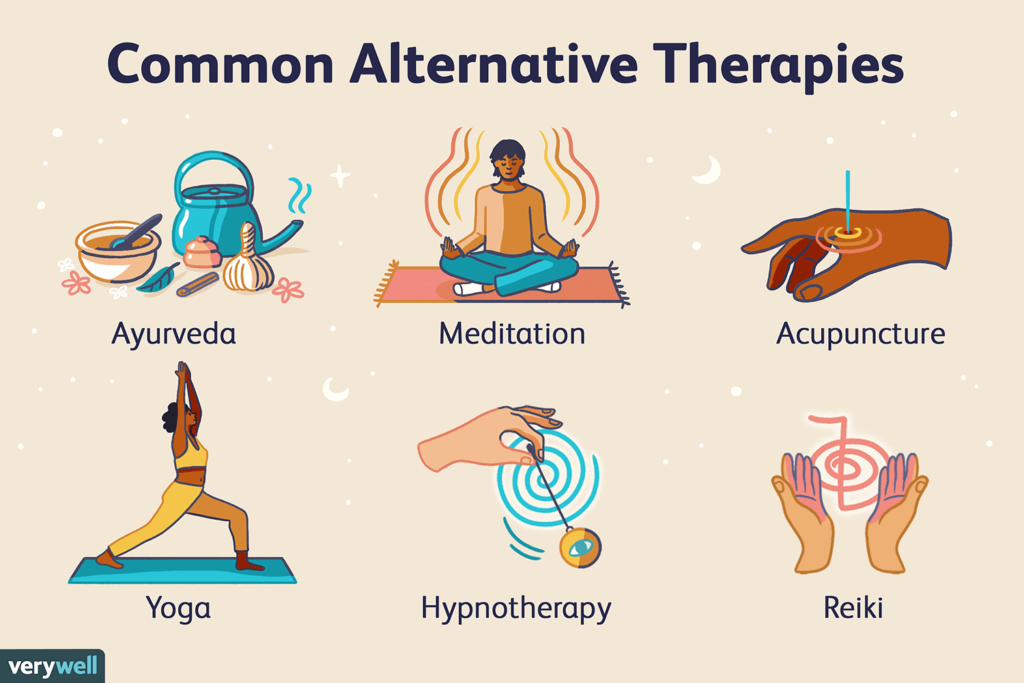
- Meditation and mindfulness training
- Yoga and breathwork
- Cognitive behavioral techniques for stress management
For example, many professionals in high-stress industries now incorporate short daily mindfulness sessions to improve focus and reduce burnout.
Nutrition and Functional Wellness
Nutrition plays a central role in holistic health. Rather than focusing only on calories, holistic approaches emphasize:
- Whole, minimally processed foods
- Balanced macronutrient intake
- Personalized dietary plans based on health goals
A practical example is someone managing type 2 diabetes through a combination of medical care and tailored nutrition strategies that stabilize blood sugar levels.
Integrative Medicine
Integrative medicine combines conventional treatments with complementary therapies such as:
- Acupuncture
- Massage therapy
- Chiropractic care
These are often used to support pain management, recovery, or overall well-being, particularly in conditions like chronic back pain or migraines.
Lifestyle and Preventive Care
Holistic healing also emphasizes daily habits that influence long-term health:
- Sleep quality improvement
- Physical activity routines
- Stress reduction strategies
This approach recognizes that consistent, small lifestyle adjustments often have a greater long-term impact than isolated interventions.
How Holistic Healing Fits Alongside Conventional Medicine
One of the most common questions Americans ask is whether holistic healing replaces traditional healthcare. The answer, in most cases, is no.
Holistic healing is most effective when used as a complementary approach. For instance, a patient undergoing treatment for hypertension may also adopt stress management techniques and dietary changes to improve outcomes.
Many physicians now support this combined approach, particularly in areas such as:
- Chronic pain management
- Mental health support
- Rehabilitation and recovery
The key distinction is that holistic healing focuses on enhancing overall well-being while conventional medicine addresses diagnosis and treatment.

Real-World Examples of Holistic Healing in Practice
Holistic healing is not just theoretical—it is actively being applied in everyday life across the U.S.
A working parent managing anxiety might combine therapy sessions with daily mindfulness exercises and improved sleep habits. Over time, these combined efforts can lead to measurable improvements in both mental and physical health.
Similarly, an older adult dealing with arthritis may use prescribed medications alongside low-impact yoga and anti-inflammatory nutrition strategies. This integrated approach can improve mobility and quality of life.
Corporate wellness programs also reflect this shift. Many U.S. companies now offer:
- Meditation apps or sessions
- Nutrition workshops
- Flexible schedules to reduce burnout
These initiatives are designed to improve employee health while also supporting productivity.
What Does the Research Say?
Research into holistic practices varies depending on the method, but several areas show promising results:
- Mindfulness and meditation: Studies published in journals like JAMA Internal Medicine indicate moderate improvements in anxiety, depression, and pain.
- Yoga: Research suggests benefits for flexibility, stress reduction, and chronic pain management.
- Nutrition-focused interventions: Strong evidence supports dietary changes in managing conditions such as heart disease and diabetes.
However, it is important to note that not all holistic practices are equally supported by scientific evidence. Consumers are encouraged to evaluate claims carefully and consult qualified professionals.
Common Misconceptions About Holistic Healing
Despite its growing popularity, holistic healing is often misunderstood.
One common misconception is that it relies solely on alternative therapies. In reality, modern holistic care frequently integrates conventional medicine.
Another misunderstanding is that results are immediate. Holistic approaches typically require consistency and time, as they focus on long-term lifestyle changes rather than quick fixes.
There is also a perception that holistic healing lacks scientific backing. While some practices require further research, many—such as nutrition and stress management—are strongly supported by evidence.
How to Evaluate Holistic Health Options Safely
For those considering holistic approaches, careful evaluation is essential. Not all services or practitioners meet the same standards.
When exploring options, consider the following:
- Verify practitioner credentials and training
- Look for evidence-based practices
- Avoid programs that promise guaranteed results
- Consult your primary healthcare provider before starting new therapies
- Be cautious of high-cost treatments without clear benefits
This approach helps ensure that holistic healing remains a safe and constructive addition to overall health management.
Frequently Asked Questions
1. What is holistic healing in simple terms?
Holistic healing focuses on treating the whole person—mind, body, and lifestyle—rather than just specific symptoms.
2. Is holistic healing scientifically proven?
Some aspects, such as nutrition and mindfulness, are well-supported by research, while others require more evidence.
3. Can holistic healing replace conventional medicine?
No, it is generally used alongside conventional treatments, not as a replacement.
4. What conditions can holistic healing help with?
It is commonly used for stress, chronic pain, sleep issues, and overall wellness support.
5. Is holistic healing safe?
Most practices are safe when guided by qualified professionals and used appropriately.
6. How long does it take to see results?
Results vary, but holistic approaches typically require consistent effort over time.
7. Are holistic treatments expensive?
Costs vary widely; some practices like meditation are low-cost, while others may require professional services.
8. Do doctors support holistic healing?
Many healthcare providers now support integrative approaches, especially for chronic conditions.
9. What is the difference between holistic and alternative medicine?
Holistic medicine often includes conventional care, while alternative medicine may replace it.
10. How can beginners start with holistic healing?
Starting with simple practices like improving diet, sleep, and stress management is often recommended.
A Broader Shift Toward Whole-Person Health
Holistic healing reflects a broader shift in how Americans think about health. Rather than viewing wellness as the absence of illness, there is growing recognition that long-term health depends on interconnected factors—physical, emotional, and environmental.
This approach does not reject modern medicine. Instead, it expands the conversation, encouraging individuals to take a more active role in their health. As research continues and awareness grows, holistic healing is likely to remain a meaningful part of the evolving healthcare landscape.
Key Insights at a Glance
- Holistic healing focuses on the whole person, not just symptoms
- It is commonly used alongside conventional medical care
- Practices include mindfulness, nutrition, and lifestyle changes
- Demand is growing due to chronic disease and preventive health trends
- Evidence supports several key approaches, especially in stress and nutrition
- Careful evaluation of practitioners and methods is essential