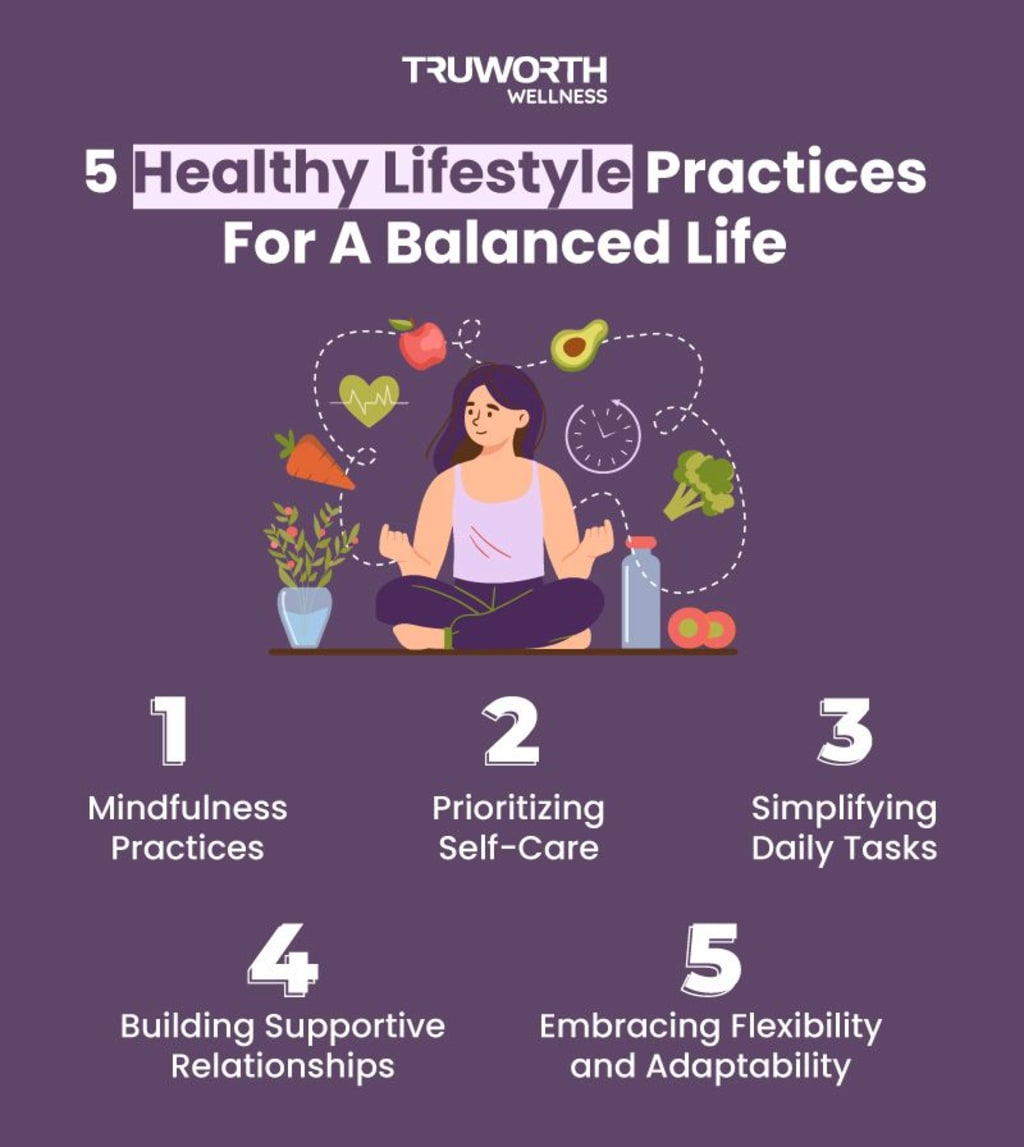
Thoughtful self-care routines are not indulgences—they are structured, evidence-informed habits that support cognitive clarity, sustained energy, and emotional stability. By aligning daily behaviors with biological rhythms and psychological needs, individuals can improve focus, reduce stress variability, and build resilience. This article explores how consistent self-care practices translate into measurable long-term benefits in modern American life.
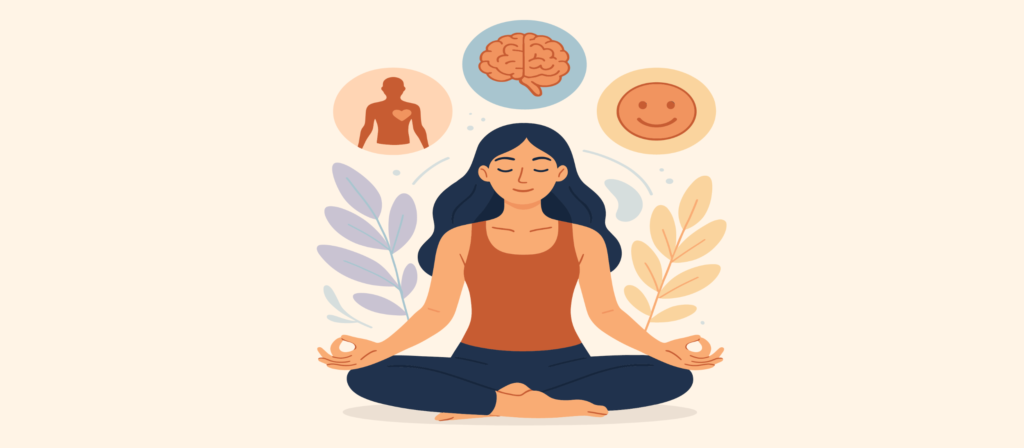
Introduction: Moving Beyond Occasional Self-Care
In the U.S., self-care is often framed as a reaction—something people turn to when they feel overwhelmed. However, emerging research in behavioral health and neuroscience suggests that consistent, intentional self-care routines have a cumulative effect on mental performance and emotional regulation.
Rather than isolated acts like a spa day or digital detox weekend, thoughtful self-care is about repeatable systems embedded into everyday life. These systems influence how the brain manages attention, how the body regulates energy, and how emotions are processed over time.
Why Consistency Matters More Than Intensity
Many Americans ask: Do small daily habits really make a difference? Evidence suggests they do.
The human brain operates on patterns. According to research from institutions like the National Institutes of Health (NIH), repeated behaviors strengthen neural pathways through a process known as neuroplasticity. This means that daily routines—no matter how small—can reshape how we think, feel, and respond to stress.
For example, a 10-minute morning routine that includes hydration, light movement, and planning can:
- Stabilize cortisol levels early in the day
- Improve executive function (decision-making and focus)
- Reduce cognitive overload
Over time, these small inputs create measurable improvements in productivity and emotional stability.
How Self-Care Influences Focus
Focus is not just about willpower. It is heavily influenced by sleep quality, stress levels, and environmental cues.
Thoughtful self-care routines support focus in several ways:
- Sleep hygiene: Consistent bedtime routines improve REM cycles, which are critical for memory consolidation
- Digital boundaries: Scheduled breaks from screens reduce attention fatigue
- Physical movement: Even light exercise increases blood flow to the brain, enhancing concentration
A practical example:
A mid-level manager working remotely implements a structured routine—no phone use for the first 30 minutes of the day, followed by a short walk and a prioritized task list. Within weeks, they report fewer distractions and improved task completion rates.
This aligns with findings from the American Psychological Association (APA), which notes that structured routines reduce decision fatigue and improve sustained attention.
The Link Between Self-Care and Energy Management
Energy is often misunderstood as something we either “have” or “don’t have.” In reality, energy is highly dynamic and influenced by daily habits.
Thoughtful self-care routines regulate energy through:
- Circadian rhythm alignment: Waking and sleeping at consistent times
- Nutritional timing: Balanced meals that prevent blood sugar spikes
- Recovery intervals: Short breaks that prevent burnout
A study published in the Journal of Occupational Health Psychology found that employees who incorporated regular recovery breaks experienced higher energy levels and lower fatigue throughout the workday.
Consider this real-world scenario:
A nurse working long shifts begins incorporating micro-breaks—2–3 minutes of deep breathing and stretching every few hours. Over time, they report less exhaustion at the end of shifts and improved emotional composure with patients.
Emotional Balance: The Often Overlooked Outcome
Emotional regulation is one of the most significant long-term benefits of consistent self-care.
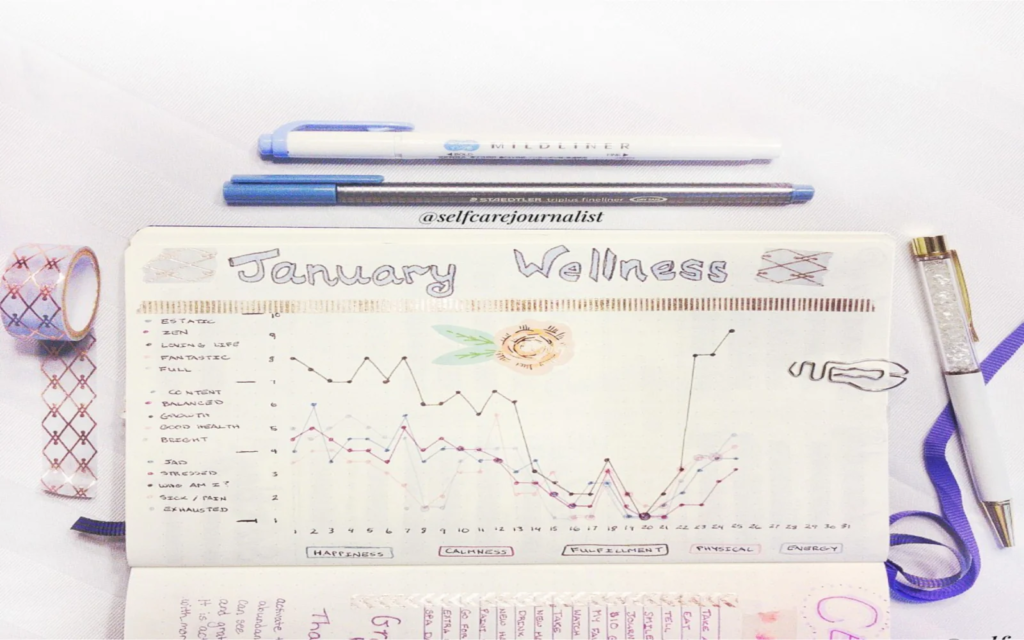
When routines include practices like reflection, mindfulness, or journaling, they help individuals:
- Process emotions more effectively
- Reduce reactivity in stressful situations
- Build long-term resilience
The Centers for Disease Control and Prevention (CDC) emphasizes that chronic stress can lead to both mental and physical health issues. Regular self-care acts as a buffer, reducing the intensity and duration of stress responses.
For instance:
A working parent who spends 10 minutes each evening journaling about the day’s challenges and wins may gradually develop a more balanced emotional perspective. Instead of reacting impulsively, they begin responding with greater clarity and patience.
Common Questions Americans Are Asking
1. What does a realistic self-care routine look like?
A realistic routine is simple, repeatable, and adaptable. It often includes:
- A consistent wake-up and sleep schedule
- Brief physical activity (10–30 minutes)
- Structured work and break intervals
- A wind-down ritual in the evening
It does not require expensive tools or large time commitments.
2. How long does it take to see results?
Most people begin noticing small changes—such as improved focus or reduced stress—within 2–3 weeks. Long-term benefits, like emotional resilience, typically develop over several months of consistency.
3. Can self-care improve work performance?
Yes. Studies show that employees with structured routines demonstrate:
- Better time management
- Increased productivity
- Lower burnout rates
Employers are increasingly recognizing this connection.
4. What are the most overlooked self-care habits?
Some of the most underrated practices include:
- Staying hydrated throughout the day
- Taking short breaks away from screens
- Maintaining consistent sleep patterns
These habits often have a greater impact than occasional high-effort activities.
5. Is self-care the same for everyone?
No. Effective self-care is highly individualized. What works for one person may not work for another. The key is to identify routines that align with personal needs and schedules.
Building a Sustainable Self-Care System
Creating a routine that lasts requires intentional design. Many people fail because they attempt to do too much at once.
A sustainable system should:
- Start with one or two habits
- Be easy to maintain on busy days
- Integrate into existing routines
For example, pairing a new habit with an existing one—like stretching after brushing your teeth—can increase consistency.
Barriers to Consistency—and How to Overcome Them
Even well-intentioned routines can fall apart. Common barriers include:
- Time constraints: Perceived lack of time
- All-or-nothing thinking: Believing routines must be perfect
- External stressors: Work or family demands
Practical strategies to address these challenges:
- Focus on “minimum viable routines” (e.g., 5 minutes instead of 30)
- Accept flexibility rather than perfection
- Schedule self-care like any other priority
The Long-Term Impact: Compounding Benefits
One of the most important aspects of self-care is its compounding effect.
Over time, consistent routines can lead to:
- Improved cognitive performance
- Greater emotional stability
- Reduced risk of burnout
- Enhanced overall well-being
These benefits are not immediate, but they are durable. Much like financial investments, small, consistent contributions yield significant returns over time.
A Different Way to Think About Daily Care
Instead of viewing self-care as something separate from daily responsibilities, it can be understood as the foundation that supports everything else.
When routines are thoughtfully designed and consistently practiced, they become automatic. This reduces mental strain, improves efficiency, and allows individuals to navigate challenges with greater clarity and composure.
The goal is not perfection—it is sustainability.
Key Insights at a Glance
- Small, consistent routines have a stronger impact than occasional intensive efforts
- Self-care directly influences focus, energy levels, and emotional regulation
- Sustainable systems are simple, flexible, and integrated into daily life
- Long-term benefits develop through repetition and consistency
- Emotional resilience is one of the most valuable outcomes of structured self-care