
Small, consistent adjustments to your evening routine can meaningfully improve sleep quality. From managing light exposure to rethinking how you unwind, evidence suggests that subtle behavioral shifts—rather than drastic overhauls—are often the most sustainable. This article explores practical, research-informed ways to refine your nightly habits and support more restorative, reliable sleep.
Why Sleep Feels More Elusive Than It Used to
Many Americans report struggling with sleep—not just occasionally, but as a recurring issue. According to the CDC, about one in three adults in the United States does not get enough sleep on a regular basis. While stress and busy schedules play a role, the challenge often lies in how modern lifestyles quietly disrupt natural sleep patterns.
Evening routines, in particular, have changed dramatically over the past decade. Increased screen exposure, irregular schedules, and constant digital engagement have reshaped how people transition from wakefulness to rest. The result is not always insomnia, but often lighter, less restorative sleep.
The encouraging part? Small, intentional changes can help recalibrate this transition.
The Science Behind Evening Routines and Sleep
Sleep is regulated by two primary biological systems: the circadian rhythm and sleep pressure. Your circadian rhythm is heavily influenced by light exposure, while sleep pressure builds throughout the day based on time spent awake.
Evening habits directly affect both systems. Bright light, stimulating activities, and inconsistent timing can confuse your internal clock. Conversely, consistent cues—such as dim lighting and calming activities—signal to your body that sleep is approaching.
Research from the National Sleep Foundation suggests that consistent pre-sleep routines can improve sleep onset latency (how quickly you fall asleep) and overall sleep quality.
Rethinking “Relaxation” in a Modern Context
Relaxation today often looks different than it did in the past. For many, it involves scrolling through social media, watching television, or catching up on emails. While these activities may feel restful, they often keep the brain engaged and delay the transition into sleep.
True relaxation, from a physiological standpoint, involves activating the parasympathetic nervous system—the body’s “rest and digest” mode. This shift doesn’t require drastic changes, but it does benefit from intentional choices.
Consider the difference between:
- Passive distraction (e.g., endless scrolling)
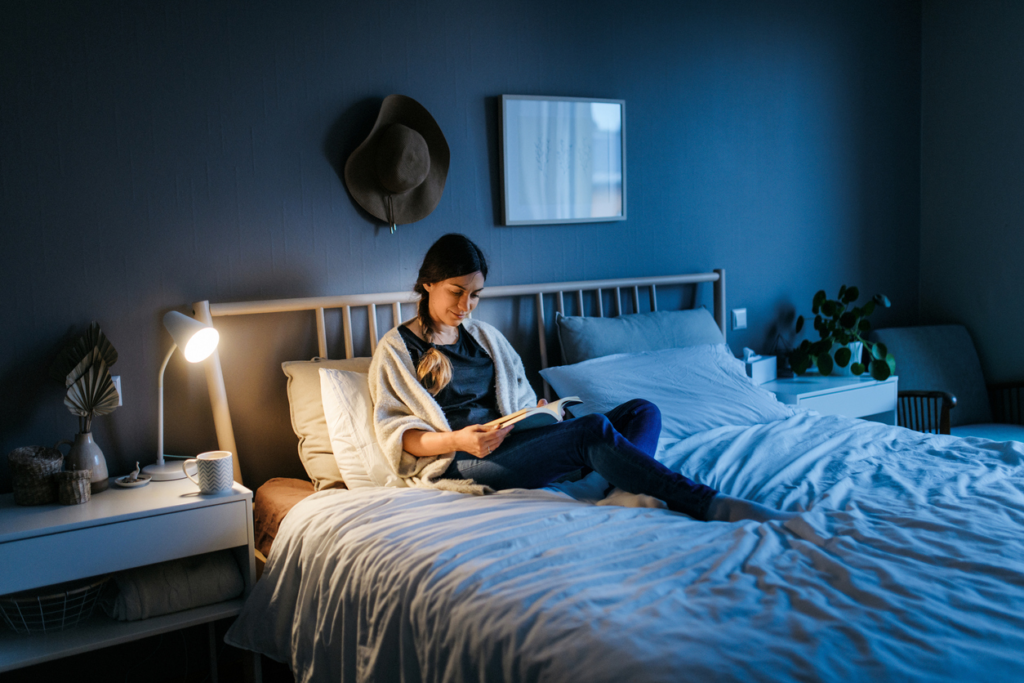
- Intentional unwinding (e.g., reading, gentle stretching, quiet reflection)
The latter tends to support deeper relaxation and better sleep outcomes.
Small Changes That Can Make a Noticeable Difference
Rather than overhauling your entire evening, focus on incremental adjustments that align with your lifestyle.
1. Adjust Your Light Environment
Light is one of the strongest signals affecting your circadian rhythm. Exposure to bright, blue-toned light in the evening can suppress melatonin production.
Practical adjustments include:
- Lowering indoor lighting after sunset
- Using warmer-toned bulbs in bedrooms
- Reducing screen brightness or enabling night mode
Even modest changes in lighting can help signal to your body that it’s time to wind down.

2. Create a Consistent “Wind-Down Window”
A defined transition period between daily activities and sleep can improve sleep readiness. This doesn’t need to be lengthy—20 to 45 minutes is often sufficient.
During this time, prioritize low-stimulation activities such as:
- Reading a physical book
- Listening to calm audio or music
- Practicing light stretching or breathing exercises
Consistency matters more than duration. Repeating the same sequence nightly reinforces the habit.
3. Be Strategic About Evening Food and Drink
What you consume in the evening can subtly influence sleep quality.
Consider these guidelines:
- Avoid large, heavy meals within two hours of bedtime
- Limit caffeine intake after mid-afternoon
- Be mindful of alcohol—it may induce sleepiness but often disrupts deeper sleep stages
Hydration is also important, but excessive fluid intake right before bed can lead to nighttime awakenings.
4. Rethink Screen Use Rather Than Eliminating It
Completely avoiding screens in the evening may not be realistic for most people. Instead, aim for more mindful use.
For example:
- Switch from interactive content (e.g., social media, gaming) to passive content (e.g., documentaries)
- Set a soft cutoff time for work-related tasks
- Use blue-light filtering settings on devices
The goal is not perfection, but reducing overstimulation.
5. Incorporate Gentle Physical Cues
Physical relaxation techniques can help bridge the gap between wakefulness and sleep.
Effective options include:
- Light stretching or yoga
- Progressive muscle relaxation
- Slow, controlled breathing exercises
These practices can reduce tension and promote a sense of calm without requiring significant time or effort.
Real-World Example: A Gradual Routine Shift
Consider a working professional who typically ends the day by watching TV in a brightly lit room while checking emails. Sleep often feels delayed and inconsistent.
A gradual adjustment might look like:
- Dimming lights at 9:00 PM
- Switching to a non-work-related show
- Ending email use by 9:30 PM
- Spending 10 minutes reading before bed
This approach doesn’t require eliminating existing habits—only refining them. Over time, such changes can improve sleep onset and consistency.

What About Stress and Mental Overload?
Even the best routine can be disrupted by stress. Racing thoughts and lingering worries are common barriers to sleep.
Simple strategies to manage this include:
- Writing down next-day tasks to reduce mental clutter
- Practicing brief mindfulness or breathing exercises
- Setting boundaries around late-night work
These techniques don’t eliminate stress but can prevent it from carrying into bedtime.
Frequently Asked Questions
1. How long does it take to see improvements from a new evening routine?
Many people notice subtle improvements within one to two weeks, especially with consistent habits.
2. Is it necessary to go to bed at the same time every night?
Consistency helps regulate your circadian rhythm, but small variations are generally acceptable.
3. Can naps affect nighttime sleep?
Yes. Long or late-afternoon naps can reduce sleep pressure and make it harder to fall asleep at night.
4. Does reading before bed always help?
It can, especially if it’s calming and not overly stimulating. Physical books are often preferable to screens.
5. Are sleep supplements necessary?
Not for most people. Behavioral changes are typically the first and most sustainable approach.
6. How important is bedroom environment?
Very. A cool, dark, and quiet space supports better sleep quality.
7. Can exercise in the evening disrupt sleep?
Intense exercise close to bedtime may be stimulating, but light activity is usually beneficial.
8. What role does temperature play in sleep?
A slightly cooler room (around 60–67°F) is often recommended for optimal sleep conditions.
9. Is watching TV before bed always harmful?
Not necessarily, but content type, brightness, and timing all influence its impact.
10. How can I stay consistent with a routine?
Start small and build gradually. Consistency is more important than complexity.
Editorial Image Library
Hero Image Options
Section 1 Image Options (Evening Environment)
Section 2 Image Options (Wind-Down Activities)
Section 3 Image Options (Lighting and Screens)
Section 4 Image Options (Relaxation Techniques)
Video Resource Library
- “Sleep Hygiene: Tips for a Better Night’s Sleep”
https://www.youtube.com/watch?v=nm1TxQj9IsQ
Overview of foundational sleep habits backed by research.
Best placed after the introduction section. - “How Screens Affect Your Sleep”
https://www.youtube.com/watch?v=5MuIMqhT8DM
Explains the impact of blue light and digital habits.
Best placed after the screen-use section. - “The Science of Sleep and Circadian Rhythms”
https://www.youtube.com/watch?v=1OTqO1qgVn8
Breaks down biological sleep mechanisms in simple terms.
Best placed after the science section. - “Evening Routine for Better Sleep”
https://www.youtube.com/watch?v=3sH1bY0h8Z8
Practical walkthrough of a realistic nighttime routine.
Best placed after routine examples. - “Relaxation Techniques for Sleep”
https://www.youtube.com/watch?v=ZToicYcHIOU
Demonstrates breathing and relaxation exercises.
Best placed after relaxation techniques section. - “Why You’re Not Sleeping Well”
https://www.youtube.com/watch?v=JZ8fZs9nUjA
Explores common modern sleep disruptors.
Best placed near the beginning. - “How to Wind Down at Night”
https://www.youtube.com/watch?v=QxYp2J8GZ3E
Focuses on creating a consistent wind-down window.
Best placed after wind-down section. - “Food and Sleep: What to Know”
https://www.youtube.com/watch?v=CYx9c9zP0y4
Explains how diet affects sleep quality.
Best placed after food and drink section. - “Mindfulness for Better Sleep”
https://www.youtube.com/watch?v=6p_yaNFSYao
Guided mindfulness session tailored for bedtime.
Best placed after stress section. - “Designing the Ideal Sleep Environment”
https://www.youtube.com/watch?v=U5o9b2RVC2E
Covers temperature, lighting, and bedroom setup.
Best placed after environment discussion.
When Evening Becomes a Signal, Not a Struggle
Sleep is not just a biological necessity—it’s a pattern shaped by daily behavior. By treating your evening routine as a set of signals rather than obligations, small adjustments can gradually reinforce a more natural transition into rest. Over time, these signals help your body anticipate sleep rather than resist it.
Key Insights at a Glance
- Small, consistent changes are more effective than drastic overhauls
- Light exposure plays a critical role in sleep timing
- Intentional relaxation differs from passive distraction
- A short, consistent wind-down routine can improve sleep readiness
- Screen use can be managed rather than eliminated
- Evening food and drink choices subtly influence sleep quality
- Physical relaxation techniques support the transition to sleep
- Stress management is essential for maintaining sleep consistency