
For many Americans, wellness is no longer limited to treating illness after symptoms appear. Growing interest in holistic healing reflects a broader shift toward preventive care, stress management, sleep quality, emotional health, nutrition, and daily lifestyle habits. While conventional medicine remains essential, more people are exploring complementary wellness practices that support long-term balance, resilience, and overall quality of life in practical, sustainable ways.
Why Holistic Healing Is Receiving More Attention Across the U.S.
Over the last decade, conversations around health in the United States have changed noticeably. Americans are increasingly asking questions that extend beyond prescriptions and medical procedures. Many people now want to understand how stress, sleep, movement, nutrition, emotional well-being, and social connection affect long-term health outcomes.
This shift has contributed to rising interest in holistic healing — an approach that considers the interconnected relationship between physical, mental, emotional, and lifestyle factors. For some individuals, holistic practices complement traditional medical care. For others, they represent a way to create healthier routines before serious health issues develop.
Several broader cultural trends appear to be driving this movement:
- Increased awareness of chronic stress and burnout
- Greater focus on preventive health
- Expanding conversations around mental wellness
- Rising healthcare costs
- Increased accessibility of wellness education online
- More consumer interest in personalized health approaches
According to the Centers for Disease Control and Prevention, chronic diseases linked to lifestyle factors remain among the leading causes of death and disability in the United States. This reality has encouraged many consumers to become more proactive about daily wellness habits rather than focusing solely on reactive care.
At the same time, wellness has become less associated with luxury and more associated with sustainability. Instead of extreme health trends, many Americans appear to be prioritizing consistency, recovery, and manageable routines.
What Holistic Healing Actually Means
One reason holistic healing is sometimes misunderstood is that the term covers a wide range of practices. In practical terms, holistic wellness generally refers to approaches that examine the whole person rather than focusing on isolated symptoms.
That can include:
- Nutrition and dietary habits
- Sleep quality
- Physical movement
- Stress management
- Emotional regulation
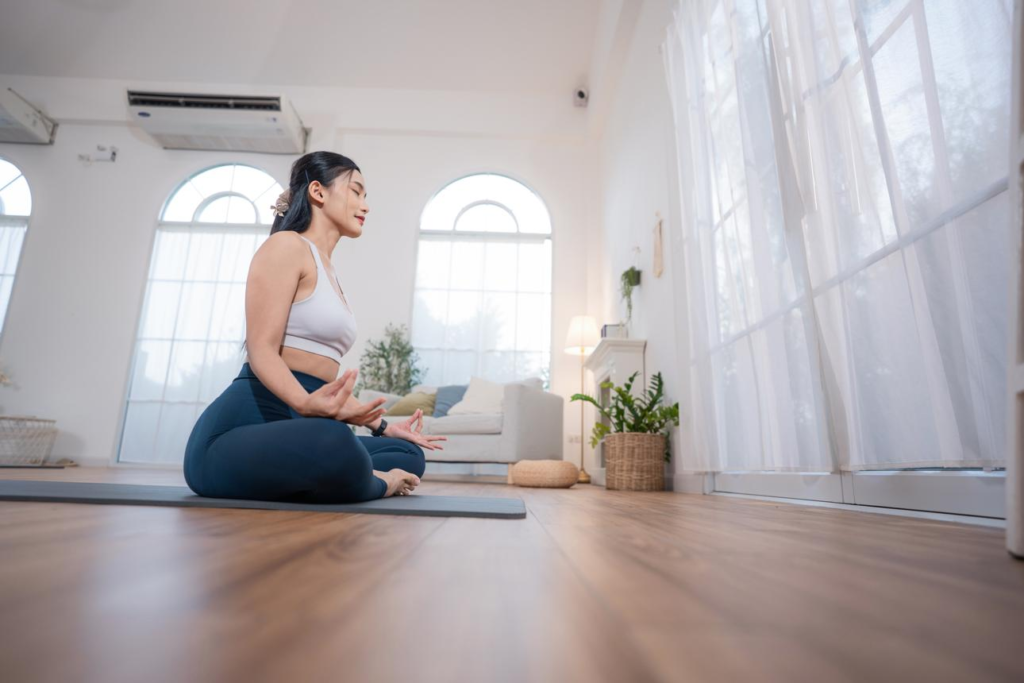
- Mindfulness practices
- Social connection
- Environmental influences
- Complementary wellness therapies
Importantly, many healthcare professionals emphasize that holistic healing should not automatically replace evidence-based medical treatment. Instead, it often functions as a supportive layer that may improve quality of life and overall well-being.
For example, a person managing chronic back pain might still work with a physician while also incorporating:
- Physical therapy
- Meditation
- Yoga
- Better sleep routines
- Anti-inflammatory dietary adjustments
- Stress-reduction techniques
The broader idea is that health outcomes are frequently influenced by multiple overlapping lifestyle factors rather than a single isolated issue.
Why Stress and Burnout Are Changing Wellness Priorities
One of the strongest forces behind the growth of holistic wellness may be the widespread experience of chronic stress.
Americans are reporting higher levels of emotional exhaustion, workplace fatigue, sleep disruption, and digital overload than in previous generations. Long work hours, economic uncertainty, social media exposure, and constant connectivity have all contributed to changing attitudes around self-care and recovery.
As a result, many consumers are no longer viewing wellness as purely cosmetic or fitness-focused. Instead, they are looking for practices that support:
- Nervous system regulation
- Mental clarity
- Better sleep
- Emotional resilience
- Sustainable energy levels
This explains why mindfulness apps, meditation programs, breathwork classes, sleep coaching, and recovery-focused fitness routines have expanded so rapidly in recent years.
For instance, many office professionals who once focused exclusively on productivity are now experimenting with small wellness habits such as:
- Morning walks without phones
- Evening screen limits
- Guided meditation sessions
- Reduced caffeine intake
- Journaling
- Stretching routines between meetings
These practices may seem simple, but they reflect a broader cultural shift toward managing stress before it becomes physically disruptive.
The Growing Interest in Preventive Wellness
Another major factor behind holistic healing trends is preventive health awareness.
Many Americans are becoming increasingly interested in maintaining health before major problems emerge rather than waiting for symptoms to worsen. Preventive wellness often focuses on daily behaviors that may influence long-term outcomes over time.
Examples include:
- Improving sleep consistency
- Increasing physical activity
- Eating less processed food
- Managing stress levels
- Building healthier routines
- Monitoring emotional health
This mindset is especially common among adults balancing demanding schedules, caregiving responsibilities, and work-related stress.
Preventive wellness also appeals to younger generations who tend to consume large amounts of health information online. Many Millennials and Gen Z consumers are more likely to research nutrition, exercise recovery, gut health, mindfulness, and hormone balance compared to previous generations.
At the same time, healthcare professionals increasingly acknowledge the connection between lifestyle habits and long-term health risks. This overlap between conventional healthcare and lifestyle-based wellness has contributed to more nuanced conversations around holistic approaches.
How Nutrition Became Central to Holistic Health Conversations
Food has become one of the most visible areas of modern holistic wellness.
Instead of focusing solely on weight loss, many consumers are now connecting nutrition to broader concerns such as:
- Energy levels
- Mood stability
- Sleep quality
- Digestion
- Inflammation
- Cognitive performance
This shift explains why terms like “gut health,” “whole foods,” and “anti-inflammatory eating” have become increasingly common in mainstream wellness discussions.
In practice, many Americans are not necessarily adopting extreme diets. Instead, they are making moderate, sustainable adjustments such as:
- Cooking at home more frequently
- Reducing ultra-processed foods
- Increasing protein and fiber intake
- Drinking more water
- Paying attention to food sensitivities
- Eating more balanced meals
Holistic nutrition conversations also tend to emphasize long-term consistency over short-term restriction.
That distinction matters because consumers are becoming more skeptical of overly aggressive wellness marketing and quick-fix promises. Many now prefer practical approaches that fit realistic daily life.
The Connection Between Mental Wellness and Physical Health
Mental wellness has become one of the defining health conversations of the modern era. Increasing awareness around anxiety, emotional fatigue, loneliness, and burnout has reshaped how many Americans define health itself.
This has encouraged more interest in holistic approaches that recognize the connection between emotional and physical well-being.
For example, healthcare providers increasingly discuss how chronic stress may influence:
- Sleep disruption
- Blood pressure
- Digestion
- Immune function
- Energy levels
- Muscle tension
As a result, practices once viewed as niche — including meditation, mindfulness, breathing exercises, and nervous-system-focused recovery techniques — have become more mainstream.
Many individuals are also becoming more intentional about emotional recovery habits, including:
- Spending time outdoors
- Limiting overstimulation
- Taking social media breaks
- Prioritizing relationships
- Creating structured daily routines
- Seeking therapy or counseling support
This reflects a broader understanding that wellness involves more than physical appearance or exercise performance.
Why Personalized Wellness Is Becoming More Popular
Another important trend is personalization.
Many consumers no longer expect one universal wellness solution to work for everyone. Instead, people are increasingly experimenting with individualized routines based on their schedules, health concerns, energy levels, and lifestyles.
For example:
A night-shift nurse may prioritize sleep recovery and stress management.
A remote worker may focus on posture, movement, and screen fatigue.
A parent balancing work and caregiving may prioritize realistic nutrition habits and emotional resilience.
This personalized approach has contributed to growing interest in wearable devices, sleep tracking, recovery metrics, and habit-monitoring tools. Consumers increasingly want data that helps them understand how daily behaviors affect their well-being.
At the same time, experts often caution against becoming overly dependent on wellness metrics or self-diagnosis through online content. Balance remains essential.

The Business of Wellness Is Also Evolving
The holistic wellness movement has significantly influenced industries across the United States.
Today, wellness is shaping:
- Fitness programming
- Hospitality experiences
- Workplace culture
- Food and beverage trends
- Healthcare services
- Corporate benefits
- Digital health platforms
Employers, for example, increasingly recognize that stress and burnout can affect productivity, retention, and employee satisfaction. This has contributed to expanded workplace wellness initiatives focused on flexibility, mental health resources, and recovery support.
Consumers are also becoming more selective about wellness products and services. Trust, transparency, evidence, and realistic expectations now matter more than trend-driven marketing.
This shift may explain why educational wellness content is outperforming exaggerated transformation messaging in many professional and editorial spaces.
Questions Americans Frequently Ask About Holistic Healing
Is holistic healing the same as alternative medicine?
Not exactly. Holistic healing often includes lifestyle-based wellness approaches that may complement traditional healthcare. Alternative medicine generally refers to practices used in place of conventional medical treatment.
Can holistic practices improve overall wellness?
Many people report benefits from healthier lifestyle habits, stress management, movement, and mindfulness practices. However, results vary by individual and should not replace necessary medical care.
Why are younger Americans more interested in wellness routines?
Younger generations tend to prioritize preventive health, mental wellness, flexibility, and lifestyle balance more than previous generations.
Is mindfulness actually useful for stress management?
Research suggests mindfulness practices may help some individuals improve stress awareness, emotional regulation, and focus when practiced consistently.
Are wellness supplements necessary?
Not always. Healthcare professionals often recommend focusing first on nutrition, sleep, movement, and medical guidance before relying heavily on supplements.
Why is sleep becoming such a major wellness topic?
Poor sleep is increasingly linked to stress, productivity issues, mood changes, and long-term health concerns, making recovery and sleep quality major priorities.
What is the difference between wellness and healthcare?
Healthcare often focuses on diagnosis and treatment, while wellness emphasizes daily habits that support overall quality of life and prevention.
Are holistic practices evidence-based?
Some are supported by substantial research, while others have limited scientific evidence. Consumers should evaluate claims carefully and consult qualified professionals when necessary.
Why are Americans moving away from extreme wellness trends?
Many consumers now prefer sustainable habits over restrictive or unrealistic routines that are difficult to maintain long term.
Can holistic wellness coexist with traditional medicine?
Yes. Many individuals combine medical care with supportive lifestyle-based wellness practices under professional guidance.
How Wellness Priorities May Continue to Change
The growing interest in holistic healing may ultimately reflect a larger cultural reevaluation of what health means in modern American life.
Increasingly, people appear less interested in temporary fixes and more focused on sustainability, resilience, emotional balance, and long-term quality of life. Rather than separating physical and mental health into completely different conversations, many consumers now see them as deeply interconnected.
This does not necessarily mean traditional healthcare is becoming less important. Instead, it suggests that Americans are broadening their understanding of wellness to include the everyday habits, environments, and routines that shape how people feel over time.
As healthcare, technology, and wellness industries continue evolving together, holistic wellness will likely remain part of ongoing conversations about prevention, recovery, and sustainable living.
Mapping the Wellness Shift Ahead
The growing attention toward holistic healing is less about abandoning modern medicine and more about expanding the definition of health itself. Americans are increasingly prioritizing routines that support energy, emotional balance, sleep quality, stress management, and long-term resilience. In many ways, the movement reflects a broader desire for wellness strategies that feel practical, sustainable, and adaptable to real daily life.
Key Signals Emerging From Modern Wellness Trends
- Preventive wellness is becoming more mainstream
- Stress recovery is now central to health conversations
- Consumers increasingly value sustainable habits over extreme routines
- Nutrition discussions are shifting toward overall well-being
- Mental and physical health are being viewed as interconnected
- Personalized wellness approaches continue gaining popularity
- Americans are becoming more selective about wellness claims
- Holistic practices are increasingly used alongside traditional healthcare