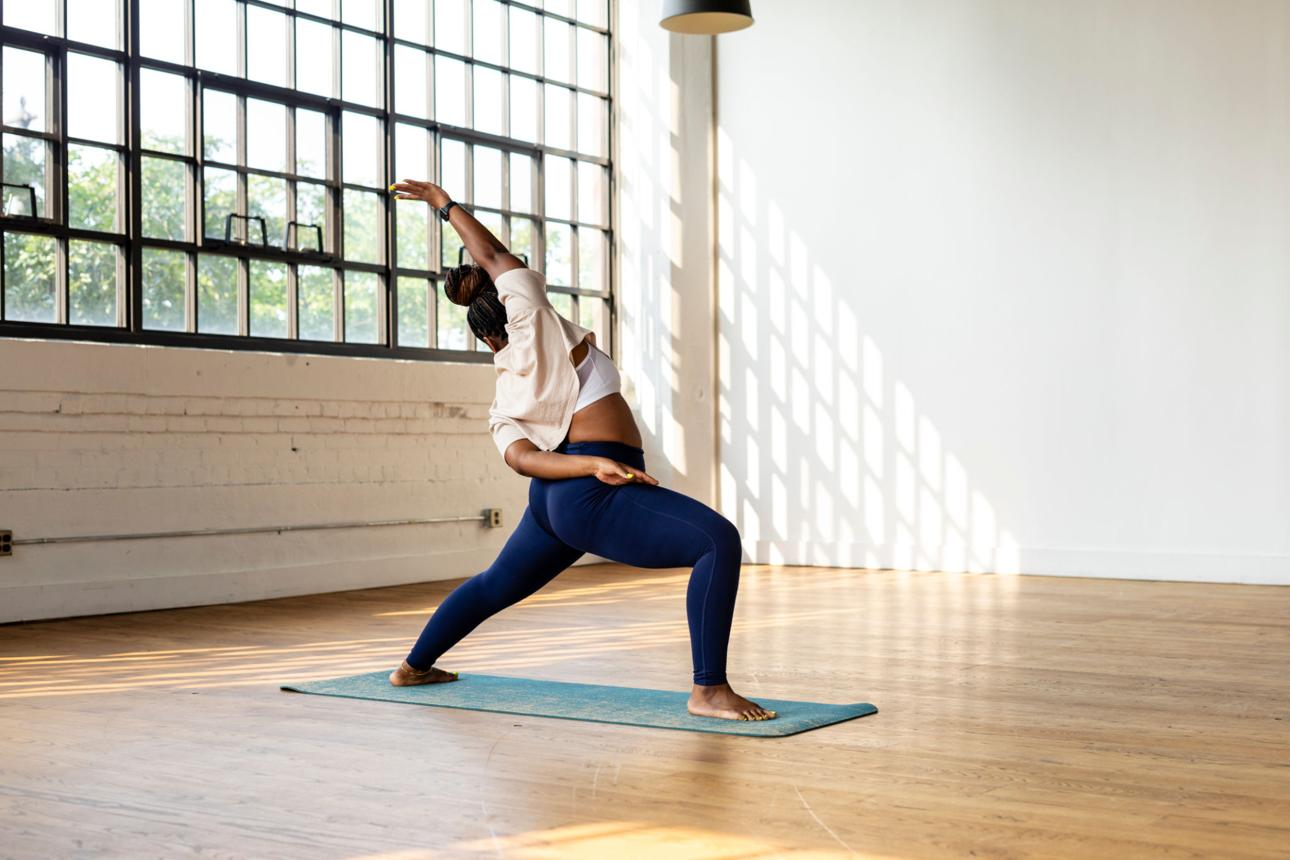
Modern Americans are increasingly blending conventional healthcare with holistic wellness practices that focus on stress management, sleep, nutrition, mindfulness, movement, and emotional well-being. Rather than replacing medical care, holistic healing is often becoming a complementary part of self-care routines. From meditation apps to acupuncture clinics and functional nutrition coaching, consumers are seeking more personalized, preventive, and lifestyle-centered approaches to health in daily life.
Why Holistic Healing Is Entering the Mainstream
For decades, holistic healing was often viewed as a niche interest associated with alternative lifestyles. Today, that perception is changing rapidly across the United States. Wellness consumers are increasingly looking beyond quick fixes and beginning to pay closer attention to long-term physical, emotional, and mental well-being.
Several forces are driving this shift.
The first is rising stress. According to the American Psychological Association, many Americans report ongoing stress related to finances, work pressure, technology overload, and uncertainty about health and the future. At the same time, sleep problems, burnout, anxiety, and sedentary lifestyles have become common concerns across age groups.
As a result, more people are exploring wellness practices that feel preventive rather than reactive. Instead of waiting until symptoms become severe, consumers are becoming more interested in daily habits that support overall balance and resilience.
This has contributed to growing interest in areas such as:
- Mindfulness and meditation
- Breathwork and stress reduction
- Functional nutrition
- Yoga and mobility training
- Herbal wellness products
- Acupuncture and massage therapy
- Integrative health coaching
- Sleep optimization
Importantly, many Americans are not abandoning conventional medicine. Instead, they are combining traditional healthcare with lifestyle-focused wellness practices that support everyday quality of life.
What “Holistic Healing” Actually Means
One reason the conversation around holistic healing can feel confusing is that the term itself is broad. In practice, holistic healing generally refers to approaches that consider the whole person rather than focusing only on isolated symptoms.
This often includes attention to:
- Physical health
- Mental health
- Emotional well-being
- Sleep quality
- Stress levels
- Nutrition
- Social connection
- Lifestyle habits
For example, someone experiencing chronic fatigue may work with a physician to rule out medical conditions while also improving sleep habits, reducing stress, increasing nutrient-dense foods, and incorporating gentle movement.
The holistic approach recognizes that many aspects of health are interconnected.
This broader perspective has become especially attractive to consumers who feel overwhelmed by fragmented healthcare experiences or who want more personalized wellness support.
The Growing Demand for Preventive Self-Care
One of the biggest reasons holistic healing is gaining traction is the growing focus on prevention.
Americans are becoming more aware that daily habits can strongly influence long-term health outcomes. Wellness conversations now frequently include topics like inflammation, stress hormones, sleep recovery, gut health, and nervous system regulation.
Consumers are increasingly searching for questions such as:
- How can I improve energy naturally?
- What helps reduce stress without medication?
- How does sleep affect long-term health?
- Can lifestyle changes improve overall wellness?
- What are realistic ways to avoid burnout?
These questions reflect a broader cultural shift toward proactive self-care.
Employers are also responding. Many companies now offer wellness benefits that include meditation apps, mental health resources, ergonomic support, fitness reimbursements, or stress-management programs.
The workplace wellness industry itself has expanded significantly as businesses recognize the connection between employee well-being, productivity, and retention.
How Social Media Changed the Wellness Industry
Social media has played a major role in mainstreaming holistic healing. Platforms like YouTube, TikTok, podcasts, and wellness newsletters have made health conversations far more accessible to the average consumer.
People can now learn about:
- Guided meditation
- Breathwork exercises
- Nutrition science
- Recovery routines
- Sleep strategies
- Mobility training
- Stress management techniques
However, this accessibility comes with both advantages and risks.
On the positive side, wellness education is no longer limited to clinical settings. Consumers have access to experts discussing evidence-based strategies for improving daily well-being.
On the negative side, misinformation spreads easily. Oversimplified health advice, miracle claims, and extreme wellness trends can create confusion.
This is why credible sourcing and balanced decision-making matter more than ever. Trusted wellness professionals typically encourage moderation, consistency, and realistic expectations rather than dramatic promises.
The Rise of Integrative Healthcare
Another major development is the growth of integrative healthcare models.
Many hospitals and medical centers across the U.S. now incorporate wellness-oriented services alongside conventional care. Patients may have access to services such as:
- Nutrition counseling
- Mindfulness-based stress reduction
- Physical therapy
- Acupuncture
- Behavioral health support
- Lifestyle medicine programs
This integration reflects changing patient expectations.
Consumers increasingly want healthcare experiences that address lifestyle factors contributing to stress, pain, fatigue, or chronic conditions. In many cases, physicians are also recognizing the role of sleep, movement, nutrition, and stress management in supporting overall health outcomes.
Lifestyle medicine has become especially important in discussions around chronic disease prevention. Research consistently shows that exercise, nutrition, sleep quality, and stress management can influence long-term health risks.
Why Younger Generations Are Driving Wellness Growth
Millennials and Gen Z consumers have become major drivers of the modern wellness economy.
Unlike previous generations, many younger adults openly discuss mental health, burnout, emotional resilience, and work-life balance. Wellness is often viewed less as luxury and more as part of everyday functioning.
This generation is also highly research-oriented. Consumers frequently compare products, read reviews, follow health educators, and seek personalized wellness strategies.
Common priorities include:
- Sustainable routines instead of extreme programs
- Mental health awareness
- Functional fitness
- Clean-label products
- Flexible wellness habits
- Digital wellness tools
- Preventive healthcare awareness
At the same time, younger consumers often prefer wellness approaches that fit into busy schedules rather than rigid systems.
For example, a person may combine:
- A 10-minute meditation app
- Meal planning for better nutrition
- Weekly therapy sessions
- Strength training
- Reduced screen time before sleep
The modern wellness routine is increasingly practical, flexible, and personalized.
Popular Holistic Practices Americans Are Exploring
Mindfulness and Meditation
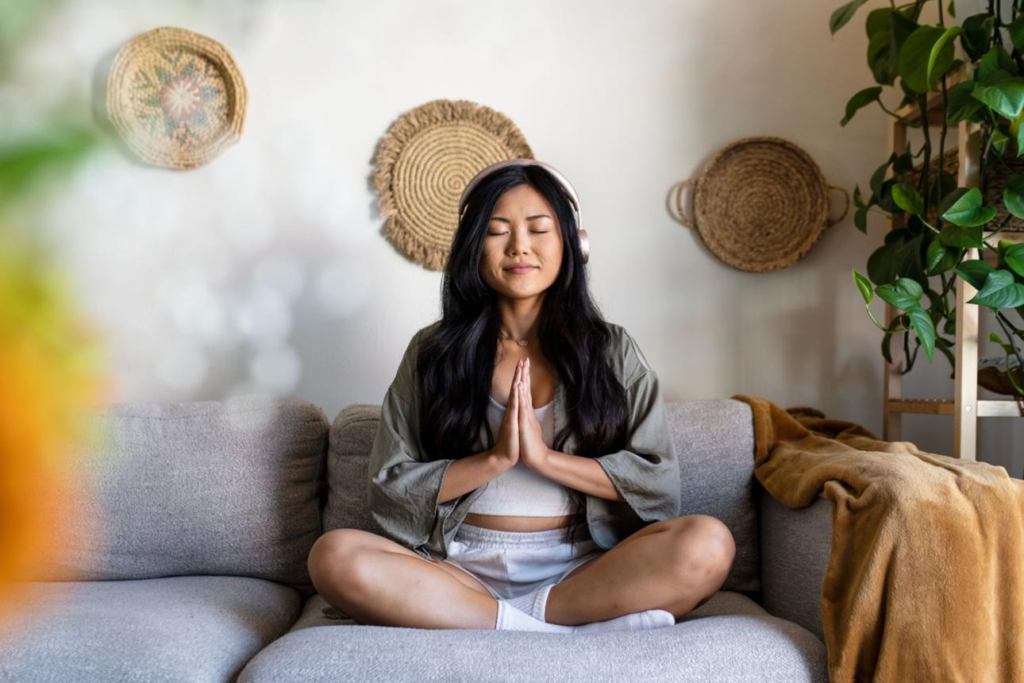
Meditation has become one of the most widely adopted wellness practices in the United States. Many people use mindfulness exercises to improve focus, reduce stress, and support emotional regulation.
Short daily practices are often more realistic and sustainable than intensive routines.
Common examples include:
- Guided meditation apps
- Breath-awareness exercises
- Journaling
- Walking meditation
- Digital detox periods
Functional Nutrition
Consumers are paying closer attention to how food affects energy, digestion, mood, and sleep quality.
Rather than following restrictive diet trends, many wellness experts now emphasize balanced eating patterns focused on:
- Whole foods
- Protein intake
- Fiber-rich meals
- Hydration
- Blood sugar stability
This practical approach feels more sustainable for long-term health goals.
Yoga and Mobility Training
Yoga continues to evolve from a niche fitness category into a mainstream recovery and mobility practice.
Many Americans now use yoga not only for flexibility but also for:
- Stress reduction
- Recovery support
- Breathing awareness
- Posture improvement
- Mind-body connection
Mobility training has also become increasingly popular among desk workers and active adults seeking injury prevention and improved movement quality.
Acupuncture and Bodywork
Acupuncture, massage therapy, and similar body-based wellness services are becoming more normalized within integrative care settings.
People often explore these therapies for:
- Stress management
- Muscle tension
- Recovery support
- Relaxation
- Chronic discomfort management
While experiences vary, many consumers value the calming and restorative aspects of these practices.
Questions Consumers Should Ask Before Trying Wellness Trends
As wellness interest grows, consumers also need critical thinking skills.
Not every trend is backed by strong evidence, and expensive wellness products do not automatically deliver better outcomes.
Before adopting a new wellness practice, it can help to ask:
- Is this supported by credible research?
- Are claims realistic and balanced?
- Is the source qualified?
- Could this interfere with medical care?
- Is the routine sustainable financially and emotionally?
- Does this promote long-term habits or quick fixes?
Consumers should also discuss major lifestyle or supplement changes with qualified healthcare professionals, especially when managing medical conditions.
The Business of Wellness in America
The wellness economy has expanded into a massive industry that includes:
- Fitness technology
- Nutrition coaching
- Supplements
- Recovery products
- Mental wellness apps
- Spa services
- Corporate wellness programs
- Sleep products
This growth reflects consumer demand, but it also increases the importance of transparency.
The most trusted wellness brands today often focus on:
- Evidence-informed education
- Realistic expectations
- Quality sourcing
- Clear labeling
- Sustainable routines
- Long-term trust
Consumers are becoming more skeptical of exaggerated promises and increasingly value credibility over marketing hype.
How Holistic Healing Fits Into Everyday Life
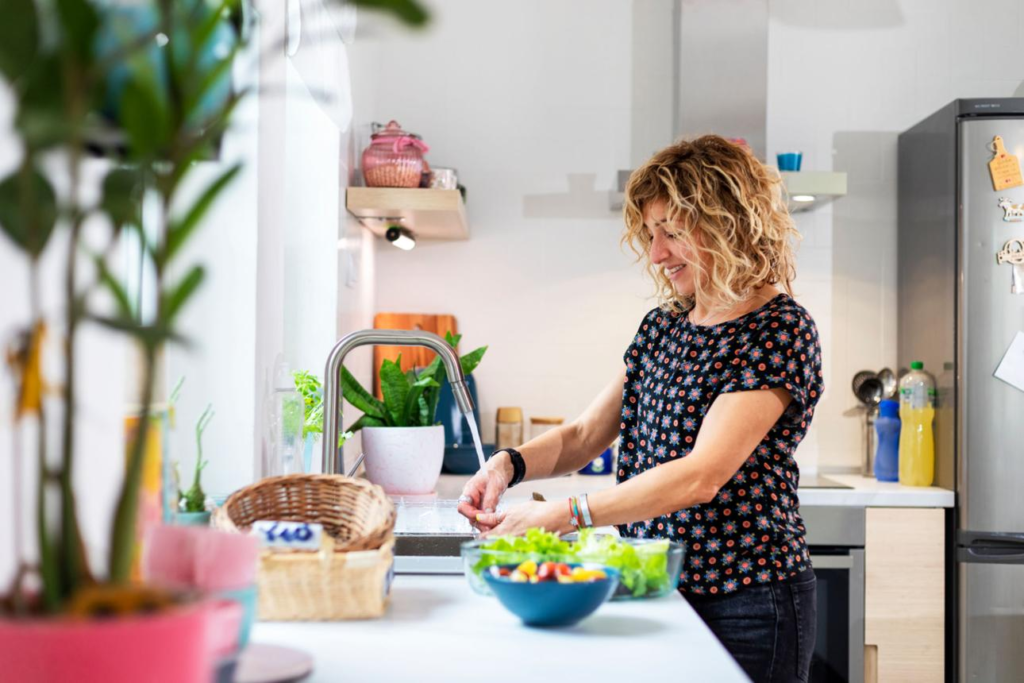
One of the biggest misconceptions about holistic wellness is that it requires expensive retreats, complicated routines, or dramatic lifestyle changes.
In reality, many people adopt holistic self-care gradually through small, manageable habits.
A realistic routine might include:
- Consistent sleep schedules
- Short walks during work breaks
- Reduced evening screen time
- Weekly meal preparation
- Breathwork during stressful moments
- Therapy or counseling support
- Stretching after long workdays
- Spending more time outdoors
These practical habits may seem simple, but over time they can significantly influence daily well-being.
This is one reason holistic healing continues to resonate with mainstream audiences. It often emphasizes consistency and sustainability rather than perfection.
Where the Wellness Conversation May Go Next
The future of holistic wellness will likely involve greater personalization, stronger integration with healthcare systems, and increased consumer education.
Areas expected to grow include:
- Personalized nutrition
- Wearable wellness technology
- Nervous system regulation tools
- Sleep-focused wellness products
- Digital mental health platforms
- Preventive lifestyle coaching
At the same time, consumers may become more selective about which trends they follow. As wellness matures, trust, scientific credibility, and transparency will likely matter even more.
The broader cultural shift appears to be moving toward balance rather than extremes — combining medical expertise with sustainable lifestyle habits that support long-term well-being.
A More Balanced Definition of Self-Care
The conversation around self-care in America is evolving beyond surface-level trends and toward a more practical understanding of health. Holistic healing is becoming part of mainstream wellness because many people are looking for realistic ways to support stress management, sleep, movement, emotional health, and overall quality of life.
For most consumers, this does not mean rejecting modern medicine. Instead, it means recognizing that daily habits, emotional well-being, and preventive care all play meaningful roles in long-term health.
As the wellness industry continues to grow, the most sustainable approaches will likely be the ones grounded in balance, credibility, and everyday practicality.
Key Insights From Today’s Wellness Shift
- Holistic healing is increasingly being used alongside conventional healthcare
- Americans are prioritizing preventive self-care and stress management
- Younger generations are driving demand for personalized wellness routines
- Integrative healthcare models are becoming more common
- Consumers are becoming more skeptical of exaggerated wellness claims
- Sustainable daily habits are replacing extreme health trends
- Sleep, nutrition, emotional health, and movement are central to modern wellness
- Evidence-based wellness education is becoming more important
- Practical self-care routines often matter more than expensive products
- Long-term consistency is a major focus in mainstream wellness culture

Frequently Asked Questions
What is holistic healing?
Holistic healing refers to wellness approaches that consider physical, emotional, mental, and lifestyle factors together rather than focusing only on isolated symptoms.
Is holistic healing replacing traditional medicine?
No. Most Americans exploring holistic wellness use it alongside conventional healthcare rather than as a replacement.
Why is holistic wellness becoming popular?
Rising stress levels, burnout concerns, preventive health awareness, and growing interest in lifestyle-based wellness have all contributed to its popularity.
Are meditation and mindfulness evidence-based?
Research suggests mindfulness and meditation may support stress reduction, emotional regulation, and focus for many individuals.
What are common holistic wellness practices?
Popular practices include yoga, meditation, functional nutrition, acupuncture, massage therapy, breathwork, and lifestyle coaching.
Is holistic wellness expensive?
Not necessarily. Many wellness habits — such as walking, improving sleep routines, hydration, stretching, and mindfulness — are low-cost or free.
How can consumers avoid wellness misinformation?
Consumers should look for credible sources, realistic claims, qualified professionals, and evidence-informed recommendations.
What is integrative healthcare?
Integrative healthcare combines conventional medical treatment with supportive wellness approaches such as nutrition counseling or stress-management programs.
Why are younger Americans interested in holistic wellness?
Many younger consumers prioritize mental health, preventive care, flexibility, and sustainable daily routines.
Can small lifestyle changes really improve wellness?
Consistent habits such as better sleep, stress management, balanced nutrition, and regular movement can meaningfully support overall well-being over time.