
Sustainable self-care routines are less about indulgence and more about consistency, structure, and intention. Research shows that small, repeatable habits—like sleep hygiene, movement, and mental resets—can significantly influence long-term health and resilience. This article explores what people actually maintain over time, why these habits matter, and how to build routines that realistically fit modern American lifestyles.
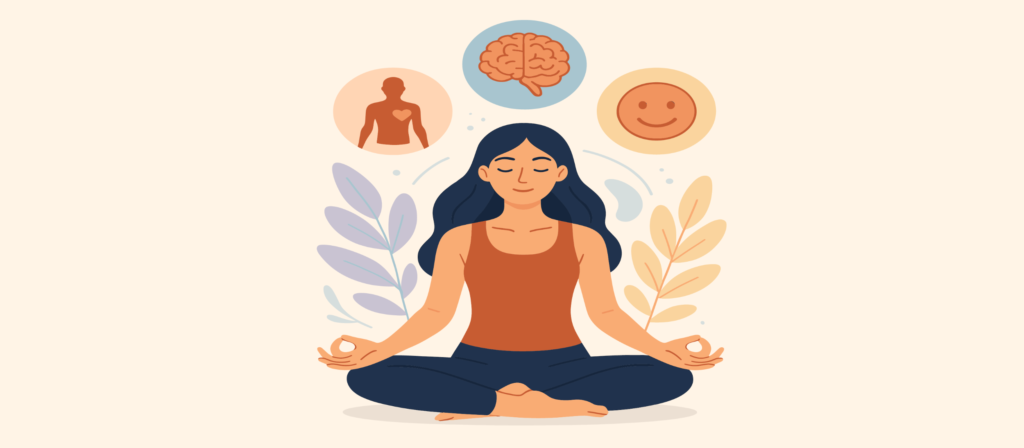
What Do Sustainable Self-Care Habits Really Look Like?
Self-care is often portrayed as aspirational—spa days, digital detox retreats, or elaborate morning routines. In reality, the habits people maintain long-term are far simpler, more practical, and deeply integrated into daily life.
Sustainable self-care routines tend to share three traits: they are repeatable, low-friction, and personally meaningful. Rather than relying on motivation alone, they are built into existing schedules and reinforced by visible benefits.
For example, a working parent in Chicago might not have time for a 90-minute wellness routine but may consistently take a 15-minute walk after dinner. Over time, this small habit contributes to improved mood, better digestion, and stronger cardiovascular health.
Research from the American Psychological Association suggests that consistent daily behaviors—particularly those tied to stress management—are more impactful than occasional intensive efforts. This reframes self-care as a long-term investment rather than a short-term escape.
Why Do Small Habits Have Such a Big Impact?
The effectiveness of small self-care habits lies in cumulative impact. Behavioral science shows that repeated actions shape neural pathways, making behaviors more automatic over time.
Consider sleep hygiene. Going to bed at the same time each night may seem insignificant, but studies from the Centers for Disease Control and Prevention (CDC) link consistent sleep patterns to reduced risk of chronic conditions such as obesity, diabetes, and depression.
Similarly, brief daily movement—like stretching or walking—can:
- Improve circulation and joint health
- Reduce stress hormones such as cortisol
- Enhance cognitive clarity and focus
- Support long-term mobility and independence
These benefits compound over months and years, which is why sustainable habits often outperform sporadic wellness efforts.
What Self-Care Habits Do People Actually Maintain?
While trends come and go, certain self-care practices consistently appear in long-term routines across diverse demographics in the U.S.
Commonly Sustained Habits
- Sleep consistency: Maintaining regular sleep and wake times
- Daily movement: Walking, light exercise, or stretching
- Mental breaks: Short pauses during workdays to reset focus
- Hydration routines: Keeping water accessible throughout the day
- Boundary setting: Limiting work hours or screen time
These habits are not time-intensive, but they are intentional. They align with real-life constraints and are flexible enough to adapt to changing schedules.
A notable example is the rise of “micro-breaks” in office environments. Employees who take short, structured breaks report higher productivity and lower burnout rates, according to workplace wellness studies.
How Do Self-Care Routines Support Mental Well-Being?
Mental health is one of the most searched aspects of self-care in the U.S., and for good reason. Daily stressors—from work demands to digital overload—require consistent coping strategies.
Sustainable self-care routines help regulate emotional responses by creating predictability and control. Even simple practices, like journaling for five minutes or stepping outside for fresh air, can interrupt stress cycles.
Research from Harvard Medical School highlights that routine-based behaviors reduce decision fatigue, freeing up cognitive resources for more complex tasks.
Practical Mental Health Examples
- A nurse working night shifts uses a consistent pre-sleep routine to signal rest time
- A remote worker schedules midday outdoor breaks to reduce screen fatigue
- A college student practices brief mindfulness exercises before exams
These are not dramatic interventions, but they are effective because they are repeatable.

What Role Does Environment Play in Maintaining Habits?
Environment often determines whether a self-care habit sticks or fades. People are more likely to maintain routines when their surroundings support the behavior.
For instance, keeping a water bottle on your desk increases hydration without requiring conscious effort. Similarly, placing workout clothes near your bed can encourage morning exercise.
Behavioral research consistently shows that reducing friction—making a habit easier to start—dramatically increases consistency.
Environmental Adjustments That Work
- Preparing meals or snacks in advance
- Creating a designated relaxation space at home
- Using reminders or alarms for breaks
- Keeping wellness tools visible and accessible
These small adjustments remove barriers and make self-care feel less like a task and more like a natural part of the day.
Why Do Some Self-Care Routines Fail?
Many self-care routines fail because they are overly ambitious or disconnected from real-life demands. A routine that looks appealing online may not be practical for someone balancing work, family, and other responsibilities.
Common reasons routines don’t last include:
- Unrealistic time commitments
- Lack of flexibility
- Absence of immediate rewards
- Over-reliance on motivation instead of structure
For example, committing to a daily hour-long workout may be unsustainable for someone with a demanding job. However, a 20-minute routine performed consistently is far more likely to stick and deliver benefits.
The key is aligning habits with lifestyle—not the other way around.

How Can You Build a Self-Care Routine That Lasts?
Building a sustainable routine requires a strategic approach rather than trial and error. The goal is to create habits that fit seamlessly into your existing life.
A Practical Framework
- Start small: Focus on one or two habits at a time
- Anchor habits: Attach new behaviors to existing routines
- Track progress: Use simple methods like checklists or apps
- Adjust as needed: Flexibility ensures long-term success
- Prioritize consistency over intensity
For example, if you already drink coffee every morning, you might pair it with a five-minute stretch or reflection practice. This reduces the effort required to adopt the new habit.
Over time, these small additions build a comprehensive self-care routine without overwhelming your schedule.
How Do Self-Care Habits Evolve Over Time?
Self-care is not static. As life circumstances change—career shifts, family responsibilities, aging—so do routines.
A young professional may prioritize fitness and social connection, while a parent may focus on sleep and stress management. Later in life, mobility and preventive health may take precedence.
The most successful self-care routines are adaptable. They evolve alongside personal needs rather than remaining fixed.
This adaptability is what makes self-care sustainable. It’s not about perfection—it’s about continuity.
Frequently Asked Questions
1. What is the most important self-care habit to start with?
Sleep consistency is often the most impactful starting point, as it influences energy, mood, and overall health.
2. How much time should I spend on self-care daily?
Even 15–30 minutes of intentional activity can be effective if practiced consistently.
3. Can self-care improve productivity?
Yes, routines that reduce stress and improve focus often lead to better work performance.
4. What are examples of low-cost self-care habits?
Walking, journaling, hydration, and structured breaks require little to no financial investment.
5. How do I stay consistent with self-care?
Link habits to existing routines and reduce barriers to starting them.
6. Is self-care the same as relaxation?
Not always. Self-care includes actions that support long-term well-being, which may not always feel relaxing in the moment.
7. Can self-care routines reduce anxiety?
Consistent routines can help regulate stress responses and provide a sense of control.
8. What if my schedule changes frequently?
Focus on flexible habits that can be adjusted rather than rigid routines.
9. Are digital tools helpful for self-care?
Apps and reminders can support consistency, but they should complement—not replace—real behaviors.
10. How long does it take to build a habit?
Research suggests it can take anywhere from a few weeks to several months, depending on the complexity of the habit.
A More Grounded Way to Think About Self-Care
Sustainable self-care is not about doing more—it’s about doing what works, consistently. The habits people maintain over time are often simple, practical, and deeply aligned with their daily lives.
Rather than chasing ideal routines, the focus should be on building systems that support well-being in realistic ways. Over time, these small, steady actions create meaningful and lasting change.
Key Insights at a Glance
- Small, consistent habits often outperform occasional intensive efforts
- Sleep, movement, and mental breaks form the foundation of sustainable self-care
- Environment plays a critical role in habit formation
- Flexibility is essential for long-term success
- Self-care routines should evolve with life circumstances
- Consistency matters more than complexity
- Practical routines are more sustainable than aspirational ones