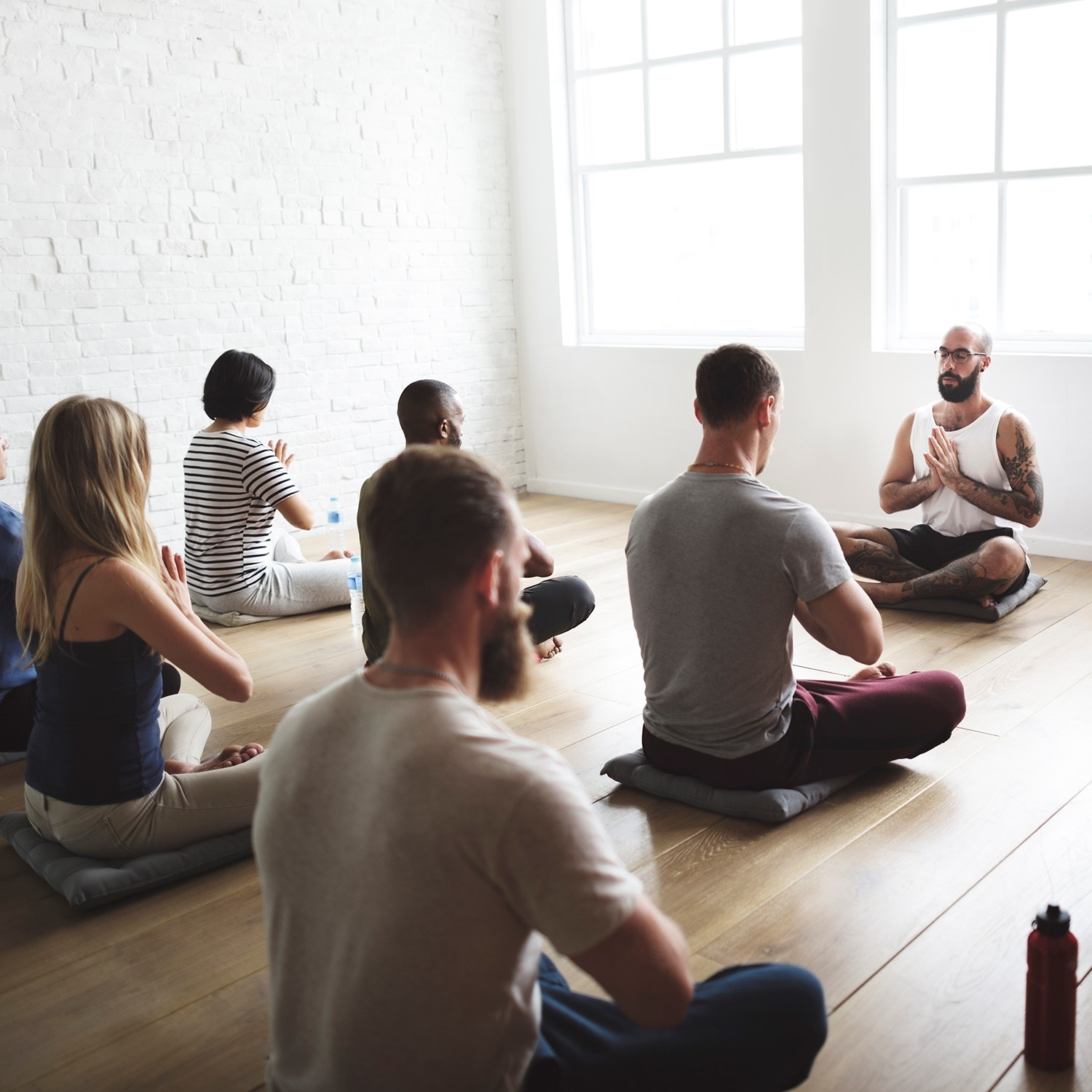
Holistic healing is gaining traction across the United States as individuals seek more personalized, preventive approaches to wellness. Blending conventional medicine with lifestyle, mental health, and alternative practices, this approach emphasizes treating the whole person. From integrative clinics to at-home mindfulness routines, holistic care is influencing how Americans think about health, balance, and long-term well-being.
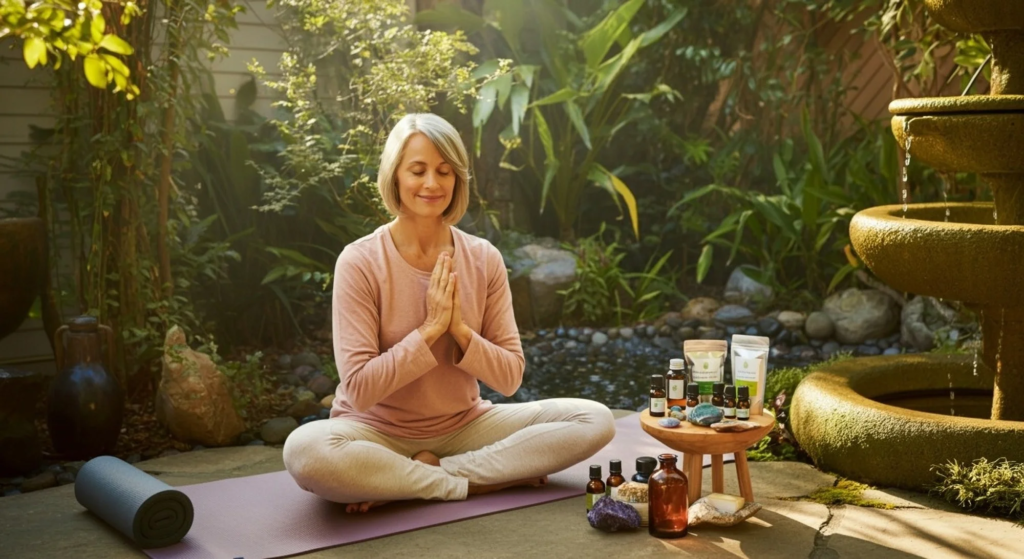
The Shift Toward Whole-Person Health
In recent years, the American healthcare landscape has undergone a quiet but meaningful shift. While conventional medicine remains the foundation of care, many individuals are looking beyond prescriptions and procedures. They are asking a broader question: What does it mean to truly be well?
Holistic healing responds to that question by focusing on the interconnectedness of the body, mind, and environment. Rather than isolating symptoms, it considers lifestyle, stress levels, nutrition, sleep, and emotional health as part of a unified system.
This approach is not fringe. According to the National Center for Complementary and Integrative Health (NCCIH), nearly 40% of U.S. adults use some form of complementary health practice. From yoga studios in suburban neighborhoods to integrative medicine departments in major hospitals, holistic care is becoming part of everyday wellness.
What Is Holistic Healing, Really?
Holistic healing is often misunderstood as purely “alternative.” In practice, it’s more accurate to think of it as integrative—combining evidence-based conventional treatments with complementary therapies that support overall well-being.
At its core, holistic healing focuses on:
- Treating root causes rather than just symptoms
- Supporting the body’s natural healing processes
- Encouraging patient participation in care decisions
- Addressing mental, emotional, and social factors
For example, someone managing chronic back pain might combine physical therapy, stress reduction techniques, ergonomic changes, and acupuncture. The goal isn’t to replace conventional care, but to enhance outcomes through a broader lens.
Why Americans Are Embracing Holistic Approaches
Several factors are driving the rise of holistic healing in the U.S., and many reflect broader cultural and economic trends.
First, there’s growing awareness of chronic disease management. Conditions like diabetes, hypertension, and anxiety often require long-term lifestyle changes. Holistic approaches offer tools that support sustainable habits rather than short-term fixes.
Second, mental health awareness has expanded significantly. Practices like meditation, breathwork, and mindfulness are no longer niche—they’re widely recommended for stress management and emotional resilience.
Third, patients are seeking more personalized care. Traditional healthcare systems can feel rushed or fragmented. Holistic models often emphasize longer consultations and individualized treatment plans.
Finally, the COVID-19 pandemic prompted many Americans to reassess their health priorities, placing greater value on prevention, immunity, and overall resilience.
Common Holistic Practices in Everyday U.S. Life
Holistic healing isn’t limited to clinics. Many practices have become part of daily routines across the country.
Some of the most widely adopted approaches include:
- Mindfulness and meditation: Used to reduce stress and improve focus
- Yoga and movement therapies: Supporting flexibility, strength, and mental clarity
- Nutritional therapy: Emphasizing whole foods and personalized diets
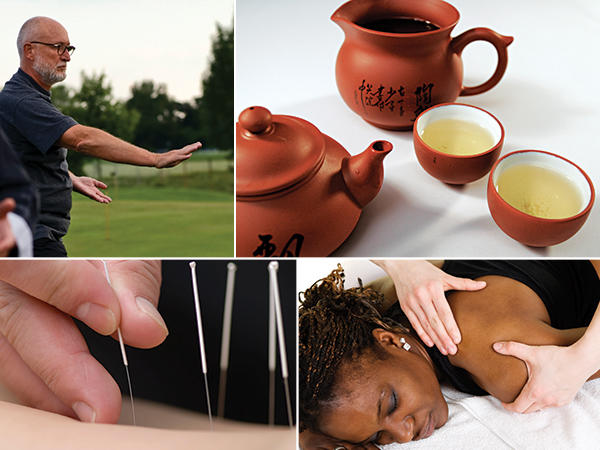
- Acupuncture and massage therapy: Often used for pain management
- Herbal supplements: Though widely used, these require informed guidance
For example, a working professional in Chicago might start their day with a short meditation, follow a balanced diet tailored to their energy needs, and attend a weekly yoga class to manage stress.
The Role of Integrative Medicine in Healthcare Systems
One of the most significant developments is the integration of holistic practices into mainstream healthcare institutions.
Major U.S. hospitals, including those affiliated with academic medical centers, now offer integrative medicine programs. These programs often combine:
- Conventional treatments (e.g., medication, surgery)
- Lifestyle counseling
- Stress management techniques
- Complementary therapies like acupuncture
This shift reflects growing evidence that holistic approaches can improve patient outcomes, particularly in areas like chronic pain, cancer care support, and mental health.
For instance, cancer centers increasingly provide services such as guided imagery, nutrition counseling, and gentle exercise programs to support patients during treatment.
Does Holistic Healing Actually Work?
This is one of the most common questions—and an important one.
The effectiveness of holistic healing depends on the specific practice and condition. Some approaches are well-supported by research, while others require more study.
Examples with strong or growing evidence include:
- Mindfulness-based stress reduction (MBSR): Shown to reduce anxiety and improve quality of life
- Yoga: Associated with improved flexibility, reduced stress, and better cardiovascular health
- Acupuncture: Supported for certain types of chronic pain
At the same time, experts emphasize the importance of informed decision-making. Not all treatments are appropriate for every individual, and some supplements or alternative therapies can interact with medications.
The key is integration—not substitution.
How to Start Incorporating Holistic Practices
For individuals interested in exploring holistic healing, the process doesn’t need to be overwhelming. Small, consistent steps can make a meaningful difference.
Consider starting with:
- Daily routines: Even five minutes of mindfulness or stretching can have measurable benefits
- Nutrition awareness: Gradually shifting toward whole, minimally processed foods
- Sleep optimization: Creating a consistent sleep schedule and environment
- Stress management: Identifying triggers and adopting coping strategies
A practical example: someone experiencing workplace burnout might begin with short evening walks, limit screen time before bed, and try guided meditation apps. Over time, these changes can support both mental and physical health.
What to Look for in a Holistic Practitioner
As interest grows, so does the importance of choosing qualified professionals.
When evaluating a practitioner, consider:
- Credentials and certifications
- Experience with your specific concern
- Willingness to collaborate with your primary care provider
- Transparency about benefits, risks, and limitations
In the U.S., many integrative practitioners work alongside physicians, ensuring coordinated and safe care.
Addressing Misconceptions and Concerns
Despite its growth, holistic healing is sometimes met with skepticism—and not without reason. Misinformation and overpromising can undermine trust.
Common misconceptions include:
- “Holistic means anti-medical.” In reality, it often complements conventional care
- “Natural equals safe.” Some natural products can have side effects or interactions
- “It’s only for certain lifestyles.” Holistic practices can be adapted to diverse needs and backgrounds
A balanced approach recognizes both the potential and the limitations of holistic methods.
The Future of Holistic Wellness in the U.S.
Looking ahead, holistic healing is likely to become more integrated, data-informed, and accessible.
Emerging trends include:
- Digital health tools: Apps for meditation, nutrition tracking, and stress monitoring
- Workplace wellness programs: Employers incorporating holistic strategies
- Insurance coverage expansion: Gradual inclusion of certain integrative therapies
- Personalized medicine: Combining genetic insights with lifestyle approaches
As research continues to evolve, the distinction between “conventional” and “holistic” may become less pronounced. Instead, healthcare may increasingly focus on comprehensive, patient-centered models.
A Broader Perspective on Wellness
Holistic healing reflects a broader cultural shift: a move toward understanding health as more than the absence of illness. It emphasizes balance, prevention, and active participation in one’s well-being.
For many Americans, this approach offers a way to navigate modern life with greater awareness and resilience—without abandoning the benefits of conventional medicine.
FAQs
1. What is the difference between holistic and conventional medicine?
Holistic medicine focuses on the whole person—body, mind, and lifestyle—while conventional medicine typically targets specific symptoms or conditions.
2. Is holistic healing scientifically supported?
Some practices, like mindfulness and yoga, have strong evidence. Others require more research. It’s important to evaluate each method individually.
3. Can holistic healing replace traditional medical care?
No. It is best used alongside conventional treatments, not as a replacement.
4. Are holistic treatments covered by insurance in the U.S.?
Coverage varies. Some plans include services like acupuncture or chiropractic care.
5. How do I find a qualified holistic practitioner?
Look for licensed professionals with relevant certifications and experience in integrative care.
6. Is holistic healing expensive?
Costs vary widely. Many practices, like meditation or exercise, can be low-cost or free.
7. Are herbal supplements safe?
Not always. They can interact with medications, so it’s important to consult a healthcare provider.
8. What conditions benefit most from holistic approaches?
Chronic conditions, stress-related issues, and lifestyle-related diseases often respond well.
9. How quickly can I see results?
Results vary. Some benefits, like reduced stress, may be immediate, while others take time.
10. Is holistic healing suitable for everyone?
Most people can benefit, but approaches should be personalized based on individual health needs.
Rethinking Wellness in a Modern World
Holistic healing is not about rejecting modern medicine—it’s about expanding the definition of care. As Americans navigate increasingly complex health challenges, the appeal of a more balanced, personalized approach continues to grow. The future of wellness may not lie in choosing one system over another, but in thoughtfully combining the best of both.
Key Insights at a Glance
- Holistic healing emphasizes whole-person wellness
- Nearly 40% of U.S. adults use complementary health approaches
- Integrative medicine is gaining ground in major healthcare systems
- Evidence supports several key practices like mindfulness and yoga
- Small lifestyle changes can significantly impact long-term health
- Safe, informed use is essential for supplements and alternative therapies
- The future of healthcare is increasingly personalized and integrative