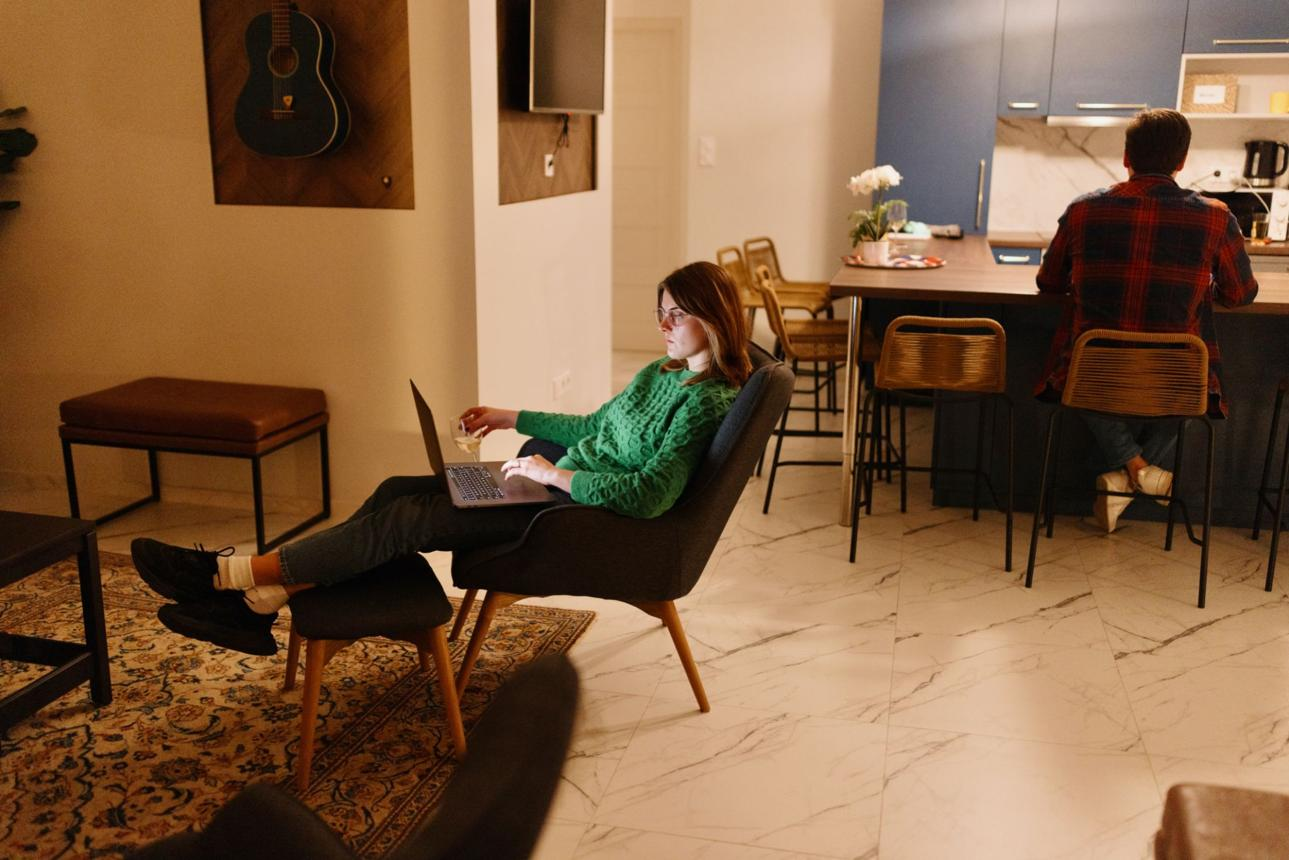
Emerging research shows that better sleep isn’t driven by dramatic routines but by small, consistent shifts in how we wind down, manage light exposure, and regulate stress. From micro-habits like evening light control to short breathing practices, Americans are improving sleep quality through subtle behavioral changes grounded in neuroscience, circadian biology, and real-world lifestyle adjustments.
Why Sleep Is Being Reframed in Modern America
For decades, sleep advice in the U.S. focused on duration—eight hours as a universal benchmark. Today, the conversation is shifting. Sleep scientists and clinicians are increasingly emphasizing sleep quality, consistency, and nervous system regulation over rigid hour counts.
According to the Centers for Disease Control and Prevention (CDC), roughly one in three American adults reports not getting enough sleep. However, emerging research suggests the issue is not just how long people sleep, but how well they transition into and maintain restorative sleep cycles.
This shift has led to a new approach: instead of drastic lifestyle overhauls, Americans are adopting small, repeatable behaviors that align with the body’s natural rhythms.
What Does “Relaxation Science” Actually Mean?
Relaxation is no longer seen as passive. It’s understood as an active biological process that involves the parasympathetic nervous system—the system responsible for rest, digestion, and recovery.
When people struggle with sleep, it’s often because their bodies remain in a low-grade state of alertness. This is sometimes referred to as “wired but tired.”
Recent studies from institutions like Harvard Medical School and the National Institutes of Health (NIH) highlight that relaxation techniques can:
- Lower cortisol levels
- Reduce heart rate and blood pressure
- Improve sleep onset latency (how quickly you fall asleep)
- Enhance deep sleep stages
The key insight: relaxation is trainable, and small daily inputs can compound over time.
The Role of Micro-Habits in Sleep Improvement
Large changes—like quitting caffeine entirely or overhauling your schedule—are difficult to sustain. Instead, research supports the effectiveness of micro-habits, or small behavioral shifts that require minimal effort but produce measurable benefits.
Examples gaining traction across the U.S. include:
- Dimming lights 60–90 minutes before bed
- Reducing screen brightness instead of eliminating screens entirely
- Taking a 5-minute breathing pause before sleep
- Keeping wake-up times consistent—even on weekends
These adjustments may seem minor, but they help regulate the body’s circadian rhythm, which governs sleep-wake cycles.

How Light Exposure Is Quietly Transforming Sleep Quality
One of the most significant discoveries in sleep science involves light timing.
Exposure to natural light in the morning helps anchor circadian rhythms, while excessive artificial light at night—especially blue light—can delay melatonin production.
A growing number of Americans are making subtle changes such as:
- Stepping outside within 30 minutes of waking
- Using warmer indoor lighting in the evening
- Positioning screens below eye level to reduce light intensity
Research from Stanford University’s Sleep Research Center indicates that even modest improvements in light exposure can lead to better sleep consistency and energy levels.
The Nervous System Reset: Why Stress Management Matters
Sleep is not just about the bedroom—it reflects the state of your nervous system throughout the day.
Chronic stress keeps the body in a heightened state of alertness, making it harder to transition into sleep. The new science of relaxation focuses on short, frequent resets rather than one long unwinding session.
Common approaches include:
- Brief mindfulness sessions during the day
- Slow breathing exercises (e.g., 4-6 breathing patterns)
- Gentle stretching or walking after dinner
- Reducing cognitive load before bedtime
A study published in JAMA Internal Medicine found that mindfulness-based interventions significantly improved sleep quality in adults with moderate sleep disturbances.

Practical Relaxation Techniques That Fit Real Life
Not all relaxation techniques are practical for busy schedules. The most effective ones are simple, flexible, and easy to repeat.
Here are evidence-informed strategies many Americans are integrating:
1. The “Buffer Zone” Before Bed
Creating a 20–30 minute transition period between activity and sleep can reduce mental stimulation.
Examples:
- Listening to calm audio
- Light reading (non-digital if possible)
- Preparing for the next day
2. Controlled Breathing
Slowing the breath signals safety to the brain.
A commonly used method:
- Inhale for 4 seconds
- Exhale for 6 seconds
- Repeat for 3–5 minutes
3. Temperature Regulation
The body naturally cools down before sleep. Supporting this process helps.
Simple adjustments:
- Lowering room temperature slightly
- Taking a warm shower 1–2 hours before bed
4. Cognitive Offloading
Writing down thoughts or tasks can reduce mental rumination.
Why Consistency Outperforms Intensity
One of the most important findings in sleep research is that consistency beats perfection.
Irregular sleep schedules—even with adequate total sleep—can disrupt circadian rhythms. This phenomenon, sometimes called “social jet lag,” is common among Americans who shift sleep patterns on weekends.
Small but consistent habits, such as waking up at the same time daily, can:
- Improve sleep efficiency
- Reduce nighttime awakenings
- Enhance daytime alertness
The takeaway: you don’t need a perfect routine—just a reliable one.
Technology Isn’t the Enemy—But It Needs Boundaries
While screens are often blamed for poor sleep, the relationship is more nuanced.
Technology can disrupt sleep through:
- Blue light exposure
- Mental stimulation
- Emotional engagement (e.g., news or social media)
However, many Americans are adopting balanced approaches, such as:
- Using night mode or blue-light filters
- Setting “digital sunset” reminders
- Switching to audio-based content at night
The goal is not elimination, but intentional use.
What Real-World Improvements Look Like
Across the U.S., individuals are reporting noticeable improvements in sleep through small adjustments:
- A working parent who dims lights and avoids email after 9 PM sees faster sleep onset
- A college student who steps outside each morning experiences better focus and fewer late-night wake-ups
- A shift worker who maintains a consistent pre-sleep routine reports deeper sleep despite irregular hours
These examples highlight a key principle: sleep improvement is highly individual, but the underlying biology is universal.
Frequently Asked Questions
1. How quickly can small changes improve sleep quality?
Many people notice improvements within 1–2 weeks, especially with consistent light exposure and bedtime routines.
2. Is it necessary to avoid screens completely before bed?
No, but reducing brightness and stimulating content can help minimize disruption.
3. What’s the most effective relaxation technique for beginners?
Controlled breathing is simple, accessible, and supported by research.
4. Does napping affect nighttime sleep?
Short naps (20–30 minutes) are generally fine, but late or long naps may interfere with nighttime sleep.
5. How important is room temperature for sleep?
Very—cooler environments support the body’s natural sleep cycle.
6. Can diet influence sleep quality?
Yes. Heavy meals, caffeine, and alcohol close to bedtime can disrupt sleep.
7. What is sleep latency?
It refers to how long it takes to fall asleep after going to bed.
8. Are sleep trackers reliable?
They can provide useful trends, but shouldn’t be treated as precise medical tools.
9. Why do I feel tired even after 8 hours of sleep?
Poor sleep quality, stress, or irregular schedules may be factors.
10. Is waking up at the same time every day really necessary?
It’s one of the most effective ways to regulate your circadian rhythm.
A More Sustainable Way to Rest
The emerging science of relaxation offers a more realistic path to better sleep—one grounded in biology, not perfection. Instead of chasing ideal routines, Americans are finding success through small, consistent behaviors that align with how the body naturally functions.
Better sleep isn’t about doing more. It’s about doing a few things, consistently, at the right times.
Key Insights at a Glance
- Small daily habits can significantly improve sleep quality
- Light exposure plays a critical role in circadian rhythm regulation
- Relaxation is an active, trainable biological process
- Consistency matters more than intensity
- Technology can be managed, not eliminated
- Stress reduction throughout the day supports better sleep at night