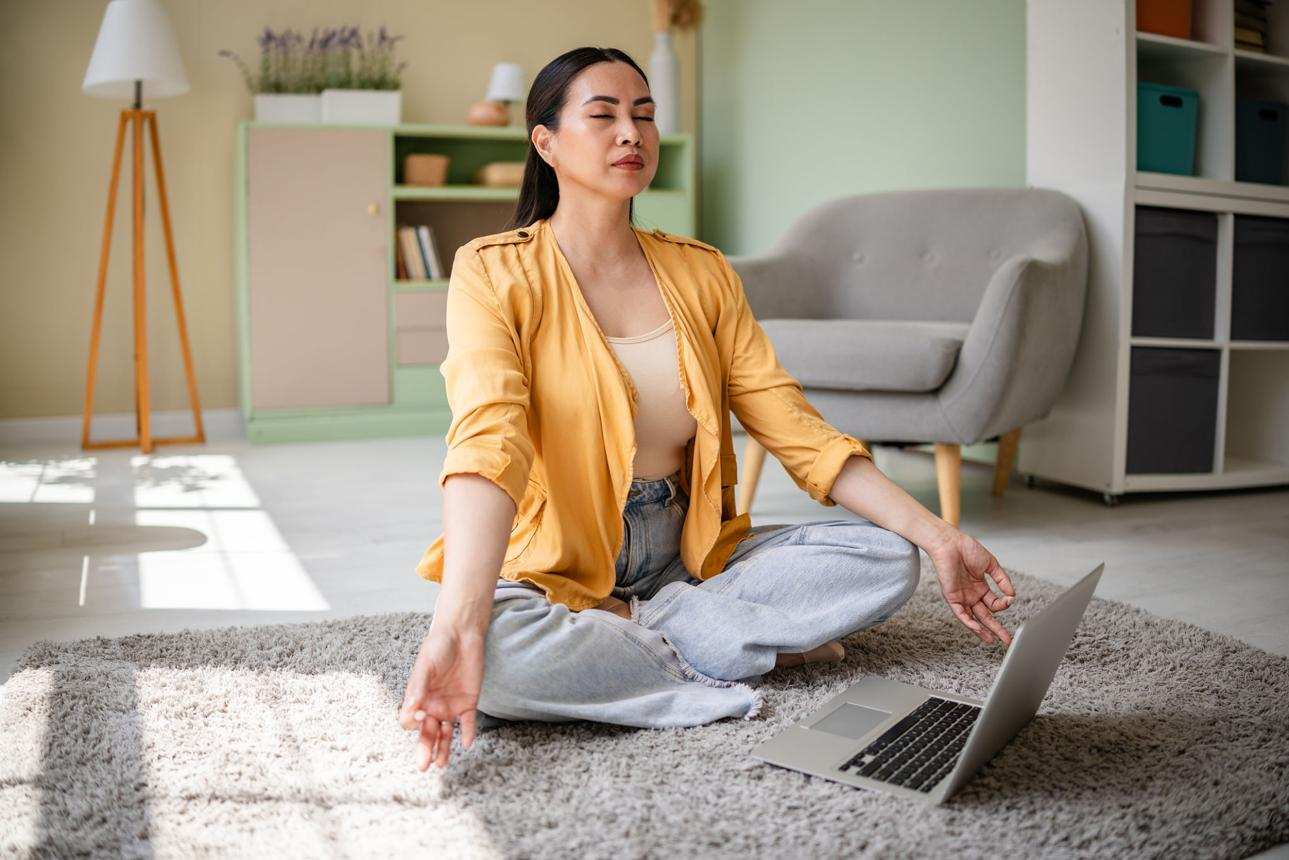
Holistic healing is gaining attention among Americans seeking a more balanced approach to wellness. Rather than replacing conventional medicine, many consumers are exploring practices that support sleep, stress management, nutrition, movement, mindfulness, and long-term well-being. From integrative healthcare clinics to personalized wellness routines, this shift reflects changing attitudes toward prevention, self-care, and whole-body health in everyday life.
A Different Kind of Wellness Conversation Is Emerging
For years, the American healthcare conversation centered primarily on treatment. Today, a growing number of consumers are becoming equally interested in prevention, lifestyle habits, and daily practices that may support overall well-being before serious health concerns develop.
This shift has helped fuel interest in holistic healing — an approach that looks at physical, emotional, mental, and lifestyle factors together rather than in isolation. While the term means different things to different people, most consumers are not abandoning traditional healthcare. Instead, many are combining conventional medical care with practices that support stress reduction, sleep quality, nutrition, movement, and emotional resilience.
The trend has become increasingly visible across multiple industries, including fitness, nutrition, wellness technology, mental health services, corporate wellness programs, and integrative healthcare clinics. According to the National Center for Complementary and Integrative Health (NCCIH), millions of Americans use some form of complementary health approach each year, particularly meditation, yoga, massage therapy, and nutritional supplements.
For many consumers, the interest is less about alternative medicine and more about creating sustainable routines that support everyday quality of life.
What Does Holistic Healing Actually Mean?
One reason holistic healing continues to attract attention is that the concept itself is broad and adaptable. In practical terms, holistic wellness focuses on how different parts of life interact with one another.
For example:
- Sleep quality may influence mood and immune function
- Chronic stress may affect digestion and energy levels
- Physical activity may support mental well-being
- Nutrition habits may influence long-term health outcomes
- Social connection may affect emotional resilience
Rather than viewing these areas separately, holistic approaches emphasize interconnected health patterns.
That perspective is becoming increasingly relevant in modern American life, where many people report ongoing stress, screen fatigue, inconsistent sleep, sedentary work routines, and rising mental health concerns.
Why Consumers Are Paying More Attention Now
Several cultural and lifestyle shifts appear to be driving renewed interest in holistic wellness practices.
Growing Focus on Preventive Health
Many Americans are becoming more proactive about health management instead of waiting until symptoms become severe. Preventive wellness has become a larger part of conversations around aging, workplace performance, stress reduction, and family health planning.
This has increased demand for:
- Nutrition coaching
- Functional fitness programs
- Meditation apps
- Sleep optimization tools
- Stress-management strategies
- Personalized wellness tracking
Consumers increasingly want actionable ways to support long-term well-being in everyday life.
Rising Awareness Around Stress and Burnout
Stress-related concerns have become difficult to ignore. Long work hours, economic uncertainty, digital overload, and constant connectivity have pushed mental wellness into mainstream discussion.
As a result, many people are exploring practical techniques designed to improve recovery and balance, including:
- Breathwork practices
- Yoga
- Mindfulness routines
- Nature exposure
- Reduced screen time
- Guided relaxation exercises
Importantly, most health-conscious consumers are approaching these practices as supportive tools rather than miracle solutions.
Greater Access to Health Information
The internet has dramatically changed how Americans research wellness topics. Consumers now regularly compare nutrition studies, fitness strategies, sleep research, and lifestyle recommendations online before making personal health decisions.
Podcasts, wellness newsletters, healthcare creators, and evidence-based educational platforms have also made holistic concepts more accessible than they were a decade ago.
At the same time, consumers are becoming more selective. Many now look for scientific credibility, professional guidance, and transparent sourcing instead of marketing-heavy wellness claims.

The Role of Integrative Healthcare
One of the biggest developments in recent years is the growth of integrative healthcare models.
Integrative healthcare combines conventional medical treatment with evidence-informed complementary practices when appropriate. This may include:
- Nutrition counseling
- Physical therapy
- Behavioral health support
- Acupuncture
- Stress-management coaching
- Sleep support strategies
- Mind-body therapies
Major medical institutions across the United States have expanded integrative wellness programs in response to patient demand.
Consumers are especially interested in healthcare experiences that feel more personalized, educational, and prevention-focused.
For example, a patient managing chronic migraines may work with:
- A neurologist
- A nutrition specialist
- A physical therapist
- A stress-management counselor
Instead of treating only symptoms, the goal often becomes improving broader lifestyle patterns that may influence overall health outcomes.
Which Holistic Practices Are Americans Exploring Most?
Not every wellness trend lasts, but several holistic practices continue to show long-term consumer interest because they are relatively accessible and adaptable.
Mindfulness and Meditation
Meditation has become one of the most widely adopted wellness practices in the United States.
Many people use mindfulness techniques to support:
- Stress management
- Emotional regulation
- Focus and concentration
- Sleep routines
- Work-life balance
Employers, schools, and healthcare systems have increasingly incorporated mindfulness programs into broader wellness initiatives.
Yoga and Gentle Movement
Yoga remains popular not only for flexibility and mobility but also for stress reduction and recovery support.
Consumers increasingly favor movement practices that feel sustainable over time rather than extreme or overly intensive fitness programs.
This includes:
- Yoga
- Pilates
- Walking programs
- Mobility training
- Stretching routines
- Low-impact strength training
Nutritional Awareness
Nutrition conversations have evolved beyond calorie counting alone. Many consumers now focus on overall dietary quality, energy levels, digestion, and long-term sustainability.
Interest has grown around:
- Whole-food eating patterns
- Gut health
- Hydration
- Balanced macronutrients
- Reduced ultra-processed foods
- Personalized nutrition tracking
Consumers are also becoming more cautious about misinformation and restrictive diet trends.
Sleep Optimization
Sleep has become one of the fastest-growing wellness categories in the United States.
Health-conscious consumers increasingly recognize sleep as a foundational health factor connected to:
- Cognitive performance
- Mood
- Energy levels
- Recovery
- Immune function
This has contributed to rising demand for:
- Sleep tracking devices
- Evening routine coaching
- Blue-light management tools
- Relaxation techniques
- Sleep-focused wellness apps
Questions Many Americans Are Asking About Holistic Healing
Is holistic healing meant to replace traditional medicine?
For most consumers, no. Holistic approaches are commonly used alongside conventional healthcare rather than instead of it. Responsible wellness professionals generally encourage communication with licensed medical providers.
Are all holistic wellness claims scientifically proven?
No. Some practices have stronger evidence than others. Meditation, exercise, sleep support, stress reduction, and nutrition have substantial research behind them, while some wellness claims remain poorly studied or exaggerated.
Why are younger consumers especially interested?
Millennials and Gen Z consumers often prioritize lifestyle balance, mental wellness, prevention, flexibility, and personalized health experiences. Many are also highly research-oriented before adopting wellness practices.
Why are employers investing in wellness programs?
Workplace wellness initiatives may help support employee productivity, stress management, retention, and long-term healthcare cost reduction.

The Influence of Technology on Holistic Wellness
Technology has significantly shaped modern wellness behavior.
Health-conscious consumers now use digital tools to monitor and improve daily habits through:
- Wearable fitness trackers
- Meditation apps
- Sleep analytics
- Nutrition logging platforms
- Virtual therapy services
- Online wellness communities
These tools have made health tracking more accessible and personalized.
However, experts also caution that wellness technology works best when it supports healthy habits without creating obsession or anxiety around constant self-monitoring.
The most sustainable routines are often simple, flexible, and realistic.
How Consumers Are Becoming More Selective
One important shift in the wellness industry is that consumers are becoming more skeptical of exaggerated health promises.
Many Americans now actively look for:
- Evidence-based information
- Credentialed professionals
- Transparent ingredient sourcing
- Realistic expectations
- Long-term sustainability
- Balanced wellness guidance
This growing skepticism may actually strengthen the future of holistic wellness by pushing the industry toward higher credibility standards.
Consumers increasingly understand that wellness is usually shaped by consistent habits over time rather than quick fixes.
Real-World Examples of Everyday Holistic Wellness
Holistic healing does not always involve expensive retreats or specialized treatments. For many Americans, it appears in practical daily routines.
A remote employee managing stress may begin taking walking breaks, reducing late-night screen exposure, and practicing short breathing exercises before meetings.
A middle-aged parent dealing with sleep disruption may focus on caffeine timing, evening relaxation habits, and consistent bedtime routines.
A retiree interested in healthy aging may combine strength training, social activities, improved nutrition, and mindfulness practices to support overall quality of life.
These examples illustrate why holistic wellness continues gaining traction: many approaches are accessible, adaptable, and focused on daily lifestyle patterns rather than dramatic interventions.
What Experts Continue to Emphasize
Healthcare professionals and wellness experts consistently highlight several important principles:
- Wellness routines should complement medical care when needed
- Individual health needs vary significantly
- Sustainable habits matter more than extreme trends
- Scientific evidence should guide health decisions
- Mental, physical, and emotional health are interconnected
The most respected voices in the wellness space typically avoid one-size-fits-all solutions.
Instead, they focus on helping individuals build realistic routines that support long-term well-being in practical ways.
Where the Conversation May Be Heading Next
The future of holistic healing in America will likely become more integrated, personalized, and data-informed.
Consumers appear increasingly interested in approaches that combine:
- Medical expertise
- Preventive wellness
- Behavioral health support
- Personalized lifestyle guidance
- Sustainable daily routines
Rather than viewing wellness and healthcare as separate categories, many Americans now see them as interconnected parts of overall quality of life.
That perspective may continue shaping industries ranging from healthcare and fitness to nutrition, workplace culture, and digital wellness technology in the years ahead.
A Broader Definition of Health Is Taking Shape
The growing interest in holistic healing reflects more than a passing wellness trend. It signals a broader cultural shift toward understanding health as something influenced by everyday habits, stress levels, movement, nutrition, sleep, and emotional balance — not simply the absence of illness.
For many Americans, the goal is becoming less about perfection and more about sustainability. Consumers increasingly want realistic strategies that fit modern life while supporting long-term well-being in practical, measurable ways.
As the conversation evolves, the strongest wellness approaches will likely be those grounded in balance, evidence, transparency, and individual needs rather than marketing hype or extreme promises.
Key Insights Worth Remembering
- Holistic healing focuses on whole-person wellness rather than isolated symptoms
- Most Americans use holistic practices alongside conventional healthcare
- Stress management and preventive health are major drivers of interest
- Sleep, mindfulness, movement, and nutrition remain top wellness priorities
- Consumers increasingly prefer evidence-based wellness guidance
- Technology has expanded access to personalized wellness tools
- Sustainable routines are replacing extreme health trends
- Integrative healthcare models continue gaining attention
- Younger generations are helping reshape wellness expectations
- Credibility and transparency matter more than ever in the wellness industry

Frequently Asked Questions
1. What is holistic healing in simple terms?
Holistic healing is an approach to wellness that considers physical, emotional, mental, and lifestyle factors together instead of focusing on only one symptom or condition.
2. Is holistic wellness scientifically supported?
Some practices, such as exercise, mindfulness, sleep improvement, and balanced nutrition, have strong scientific support. Other claims may require more research.
3. Why are Americans increasingly interested in holistic health?
Many consumers want more preventive, personalized, and lifestyle-focused approaches to long-term wellness.
4. Does holistic healing replace doctors or medical treatment?
Most experts recommend using holistic wellness practices alongside licensed medical care when appropriate.
5. What are the most popular holistic wellness practices?
Meditation, yoga, nutrition planning, sleep optimization, mindfulness, and stress-management techniques are among the most common.
6. Are wellness apps helping or hurting consumers?
They can be helpful when used in moderation to support healthy habits, though excessive tracking may increase stress for some users.
7. What is integrative healthcare?
Integrative healthcare combines conventional medicine with evidence-informed complementary wellness practices.
8. Why is sleep becoming such a major wellness topic?
Research increasingly connects sleep quality with cognitive performance, mood, recovery, immune function, and long-term health.
9. Are younger generations driving wellness trends?
Millennials and Gen Z consumers often prioritize mental wellness, prevention, flexibility, and personalized health strategies.
10. What should consumers look for in credible wellness advice?
Evidence-based information, credentialed experts, transparency, realistic expectations, and sustainable recommendations are all important.