Many Americans struggle with sleep not because of major issues, but due to subtle daily habits that quietly disrupt rest. Sleep experts now focus on overlooked behaviors—like light exposure, inconsistent routines, and late-night stimulation—that affect sleep quality over time. Understanding and adjusting these small patterns can meaningfully improve how well you fall asleep, stay asleep, and feel the next day.
Why Sleep Feels Harder to Maintain Today
Sleep challenges are no longer limited to obvious stress or medical conditions. Increasingly, sleep specialists point to everyday behaviors—often considered harmless—that gradually interfere with the body’s natural sleep-wake cycle.
According to the Centers for Disease Control and Prevention (CDC), about one in three American adults does not get enough sleep on a regular basis. While long work hours and stress contribute, experts emphasize that modern lifestyle patterns—especially those tied to technology and routine inconsistency—play a growing role.
Unlike acute sleep disruptions, these subtle habits are harder to detect. They don’t always cause immediate insomnia, but they can reduce sleep depth, delay onset, and fragment rest across the night.
The Biology Behind Subtle Sleep Disruption
To understand why small habits matter, it helps to look at how sleep is regulated. The body relies on two key systems:
- The circadian rhythm (your internal 24-hour clock)
- Sleep pressure (the buildup of tiredness throughout the day)
When these systems are aligned, sleep comes naturally. But even minor disruptions—like exposure to artificial light at night or irregular sleep timing—can throw them out of sync.
Research from institutions like Harvard Medical School has shown that light exposure in the evening can delay melatonin release, the hormone that signals your body it’s time to sleep. Over time, this delay can shift your entire sleep schedule later, even if you don’t consciously notice it.
Habit #1: Inconsistent Sleep and Wake Times
One of the most overlooked disruptors is variability in sleep timing. Going to bed at 10:30 p.m. one night and 12:30 a.m. the next may seem harmless, but it can confuse your internal clock.
Sleep experts often compare this to “social jet lag”—a mismatch between your biological rhythm and your daily schedule.
Common patterns include:
- Sleeping in significantly later on weekends
- Staying up late for streaming or social media
- Irregular work schedules without a consistent wind-down routine
Even a 60–90 minute shift can reduce sleep efficiency. Over time, this inconsistency can make it harder to fall asleep quickly and wake up feeling refreshed.
Habit #2: Late-Night Light Exposure
Light is one of the strongest signals influencing your circadian rhythm. Yet many people are exposed to bright, blue-enriched light well into the evening.
This includes:
- Smartphones and tablets
- LED lighting in homes
- Televisions watched in dark rooms
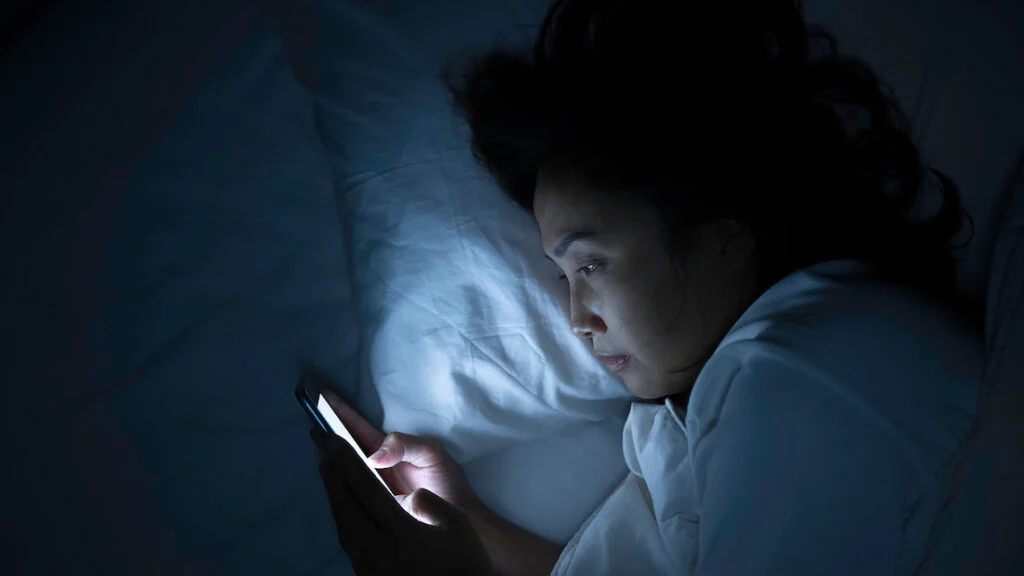
Studies show that blue light suppresses melatonin more than other wavelengths. While the effect varies by individual, consistent exposure can delay sleep onset and reduce REM sleep quality.
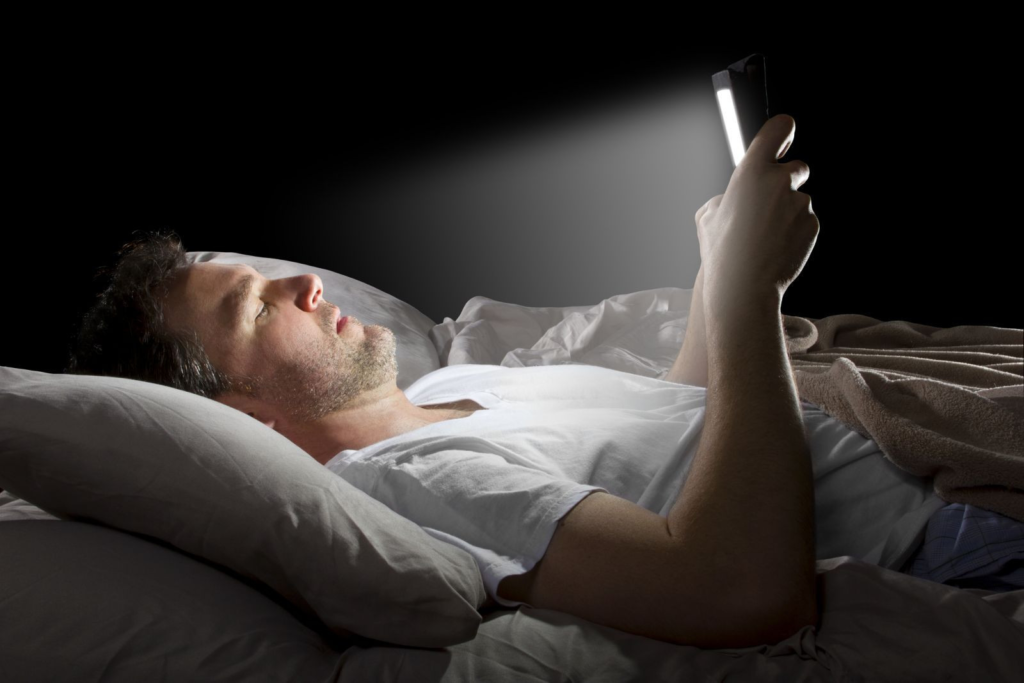
A common real-world example: checking emails or scrolling social media in bed may feel relaxing, but it keeps the brain alert and delays the transition into sleep.
Habit #3: “Productive Evenings” That Backfire
Many professionals use late evenings to catch up on work, plan the next day, or engage in mentally demanding tasks. While productive, this habit can keep the brain in a heightened state of alertness.
Sleep experts note that cognitive arousal—not just physical activity—can delay sleep. Tasks that require decision-making, problem-solving, or emotional engagement can increase cortisol levels, making it harder to wind down.
A typical scenario:
- Reviewing work emails at 10:30 p.m.
- Planning schedules or finances before bed
- Engaging in intense discussions or debates late at night
These activities signal to the brain that it’s still “daytime,” even if the clock says otherwise.
Habit #4: Irregular Caffeine Timing
Most people understand that caffeine can interfere with sleep, but fewer recognize how long its effects last.
Caffeine has a half-life of about 5–7 hours. That means a cup of coffee at 3:00 p.m. can still be active in your system at 10:00 p.m.
Less obvious sources include:
- Chocolate
- Energy drinks
- Some medications
Even if you fall asleep, caffeine can reduce deep sleep stages, leading to lighter, less restorative rest.
Habit #5: Over-Reliance on “Passive Relaxation”
Watching TV or scrolling on your phone is often considered a way to relax, but these activities may not provide true mental recovery.
Sleep researchers distinguish between passive and active relaxation:
- Passive: consuming content (TV, social media)
- Active: calming the nervous system (reading, stretching, mindfulness)
Passive relaxation can still stimulate the brain, especially when content is emotionally engaging or fast-paced. Over time, this can make it harder to transition into sleep.
Habit #6: Eating Too Close to Bedtime
Late-night eating is another subtle disruptor. While occasional snacks are unlikely to cause major issues, regular late meals can interfere with sleep in several ways:
- Increased metabolic activity when the body should be slowing down
- Risk of acid reflux when lying down
- Disruption of natural circadian rhythms tied to digestion
Sleep experts generally recommend finishing larger meals at least 2–3 hours before bedtime.
Habit #7: Lack of a Consistent Wind-Down Routine
One of the clearest patterns sleep experts observe is the absence of a predictable transition into sleep.
In many households, evenings remain unstructured until the moment someone decides to go to bed. Without cues that signal the body to slow down, sleep can feel abrupt rather than natural.
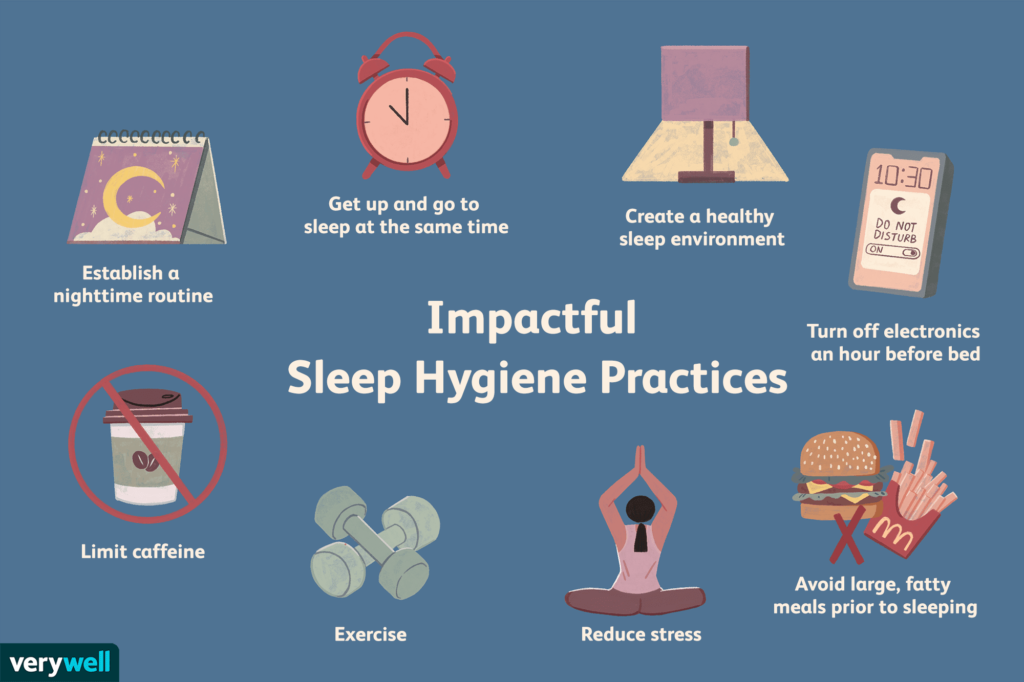
Effective wind-down routines often include:
- Lowering lights gradually
- Reducing screen exposure
- Engaging in quiet, repetitive activities
- Maintaining a consistent sequence each night
Over time, these cues train the brain to associate certain behaviors with sleep readiness.
What Sleep Experts Are Focusing on Now
In recent years, sleep research has shifted from extreme interventions to behavioral consistency. Rather than focusing only on sleep disorders, experts are paying closer attention to everyday patterns that shape long-term sleep quality.
Key areas of focus include:
- Circadian alignment: Encouraging consistent exposure to morning light and reduced light at night
- Behavioral timing: Looking at when activities occur, not just what they are
- Sleep environment design: Optimizing lighting, temperature, and noise
- Cognitive wind-down: Addressing mental stimulation before bed
This approach reflects a broader understanding: sleep is not just a nighttime event, but the result of choices made throughout the day.
Practical Ways to Improve Sleep Without Overhauling Your Life
Improving sleep doesn’t require drastic changes. In fact, small, consistent adjustments are often more effective.
Here are realistic strategies that align with expert recommendations:
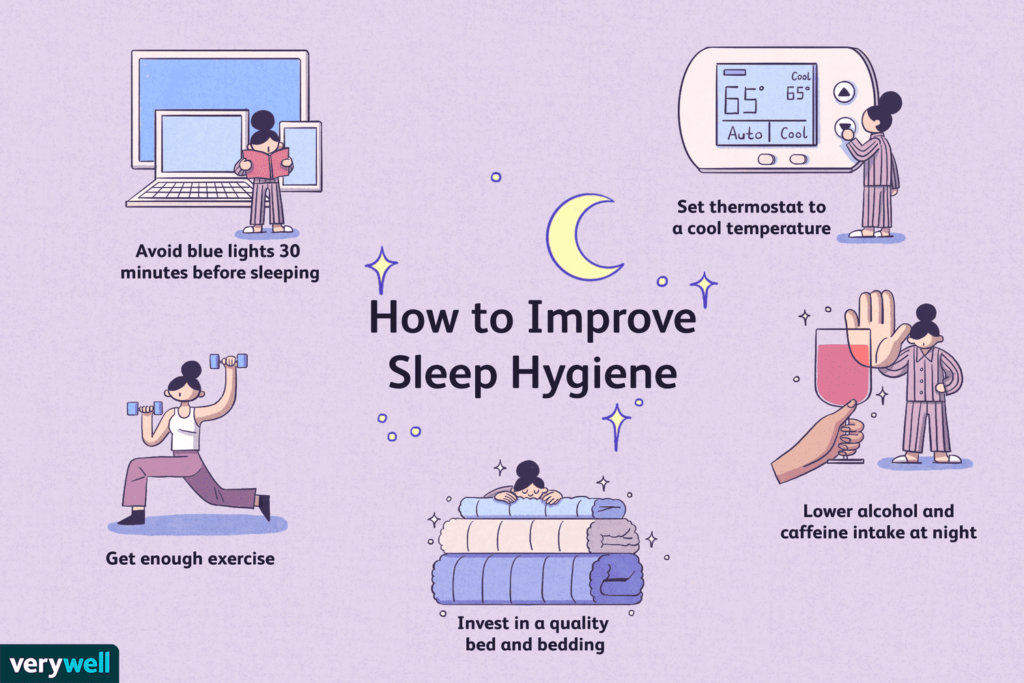
- Keep your sleep and wake time within a 30–60 minute window daily
- Dim household lighting after 9:00 p.m. where possible
- Set a “technology cutoff” 30–60 minutes before bed
- Limit caffeine after early afternoon
- Create a simple, repeatable wind-down routine
- Avoid heavy meals within 2–3 hours of sleep
- Get natural light exposure within an hour of waking
For example, someone who struggles with falling asleep might start by simply dimming lights and avoiding screens after 10:00 p.m. Over a few weeks, this alone can shift sleep timing earlier.
Common Questions Americans Are Asking About Sleep
1. Why do I feel tired even after 7–8 hours of sleep?
Sleep quality may be affected by disruptions like light exposure, caffeine, or fragmented sleep cycles.
2. Does using my phone before bed really affect sleep?
Yes, especially due to blue light and mental stimulation, both of which can delay sleep onset.
3. Is it bad to sleep in on weekends?
Occasional variation is fine, but large shifts can disrupt your circadian rhythm.
4. How late is too late for caffeine?
Most experts recommend avoiding caffeine at least 6–8 hours before bedtime.
5. What’s the best way to fall asleep faster?
Consistency, reduced stimulation, and a predictable wind-down routine are key.
6. Can exercise improve sleep?
Yes, but intense workouts too close to bedtime may have the opposite effect.
7. Is watching TV a good way to relax before bed?
It can feel relaxing, but it may not help your brain fully wind down.
8. How long should a wind-down routine be?
Typically 20–45 minutes is sufficient if done consistently.
9. Does room temperature affect sleep?
Yes, cooler environments (around 60–67°F) are generally more conducive to sleep.
10. When should I see a doctor about sleep issues?
If sleep problems persist for several weeks or affect daily functioning, professional evaluation is recommended.
A More Intentional Approach to Rest
Sleep is often treated as something that should happen automatically, but modern life has introduced subtle barriers that didn’t exist a generation ago. The growing consensus among sleep experts is that small, consistent habits matter more than occasional major changes.
Rather than chasing perfect sleep, a more practical goal is alignment—between your environment, your routine, and your body’s natural rhythms. Over time, even modest adjustments can lead to more reliable, restorative rest.
What to Remember Moving Forward
- Small habits can have cumulative effects on sleep quality
- Light exposure and timing play a major role in circadian rhythm
- Mental stimulation at night is just as important as physical activity
- Consistency is often more impactful than intensity
- Simple routines can train your body to sleep more naturally