
Emerging research shows that long-term mental well-being is shaped less by major interventions and more by consistent daily habits. Sleep quality, movement, social connection, stress regulation, and digital boundaries all play measurable roles. This article explores evidence-backed routines, answers common questions, and offers practical, real-world strategies Americans can use to build sustainable mental health over time.
Understanding the Shift Toward Everyday Mental Wellness
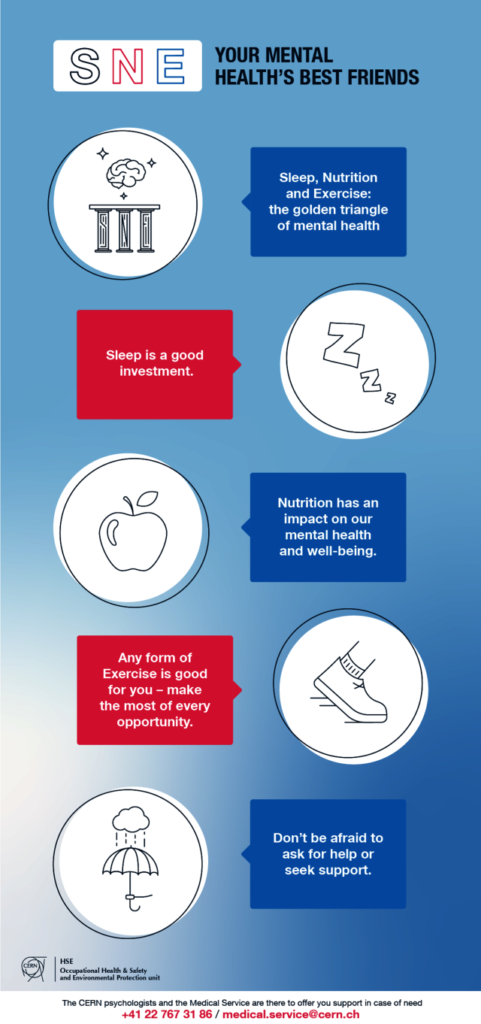
Mental health conversations in the United States have evolved significantly over the past decade. Rather than focusing only on diagnosis and treatment, researchers and clinicians increasingly emphasize prevention and long-term resilience. This shift reflects growing evidence that small, repeatable habits—often overlooked—can meaningfully influence mood, stress levels, and cognitive function over time.
According to data from organizations like the CDC and NIH, lifestyle-related factors such as sleep, physical activity, and social connection consistently correlate with mental health outcomes. Importantly, these habits are accessible to most people and can be adapted across different life stages and circumstances.
The key takeaway from recent research is straightforward: mental well-being is not built through occasional effort but through daily patterns.
Why Daily Habits Matter More Than Occasional Interventions
Short-term solutions—such as taking a day off, going on vacation, or attending a single therapy session—can provide relief. However, studies suggest their effects tend to be temporary unless supported by consistent behavioral changes.
Long-term mental wellness depends on:
- Neural adaptation (how the brain responds to repeated behaviors)
- Hormonal balance (especially cortisol and serotonin regulation)
- Emotional regulation patterns developed over time
For example, a 2023 study published in a leading psychiatry journal found that individuals who maintained consistent daily routines reported lower anxiety levels compared to those who relied on intermittent stress-relief activities.
In practical terms, this means what you do most days matters more than what you do occasionally.
The Core Everyday Habits Backed by Research
1. Sleep Consistency and Quality
Sleep is one of the most strongly supported factors in mental health research. Poor sleep has been linked to increased risk of anxiety, depression, and impaired cognitive function.
Consistent findings show that adults who maintain a regular sleep schedule—going to bed and waking up at similar times—experience better emotional stability.
Real-world example:
A working professional who shifts between late nights during the week and oversleeping on weekends often experiences mood fluctuations. By stabilizing their sleep schedule, even without increasing total hours, they may notice improved focus and reduced irritability.
What helps:
- Limiting screen exposure before bed
- Keeping a consistent sleep window
- Avoiding caffeine late in the day
2. Physical Activity as a Mental Health Regulator
Exercise is no longer viewed solely as a physical health tool. Research consistently shows that regular movement supports mental well-being by reducing stress hormones and increasing endorphins.
Even moderate activity—such as walking for 30 minutes—can have measurable effects.
What the research suggests:
- Aerobic exercise improves mood regulation
- Strength training supports confidence and resilience
- Consistency matters more than intensity
Practical example:
Someone who incorporates a daily walk into their routine, even without structured workouts, often reports improved mental clarity and reduced stress.
3. Social Connection and Psychological Stability
Humans are inherently social, and research continues to confirm that meaningful relationships are a cornerstone of mental well-being.
Loneliness, even in socially connected environments, has been linked to increased risk of depression and anxiety.
Key insight:
It’s not the number of relationships but the quality that matters.
Examples of effective connection habits:
- Weekly check-ins with friends or family
- Participating in community or group activities
- Maintaining consistent communication routines

4. Managing Information Overload and Digital Exposure
Modern life introduces a unique challenge: constant digital stimulation. Research suggests that excessive screen time—particularly on social media—can contribute to stress, comparison, and mental fatigue.
Healthy digital habits include:
- Setting time limits on apps
- Avoiding news consumption before bed
- Creating device-free periods during the day
Real-world scenario:
Reducing social media use by even 30 minutes daily can free up time for restorative activities like reading, walking, or connecting with others.
5. Daily Stress Regulation Practices
Stress is unavoidable, but how individuals respond to it significantly impacts long-term mental health.
Recent research highlights the importance of small, daily regulation practices rather than waiting for stress to accumulate.
Effective techniques include:
- Deep breathing exercises
- Short mindfulness sessions
- Journaling for emotional processing
Example:
A person who spends five minutes each morning reflecting or breathing deeply may experience better emotional control throughout the day compared to someone who ignores stress signals.
How Do These Habits Work Together?
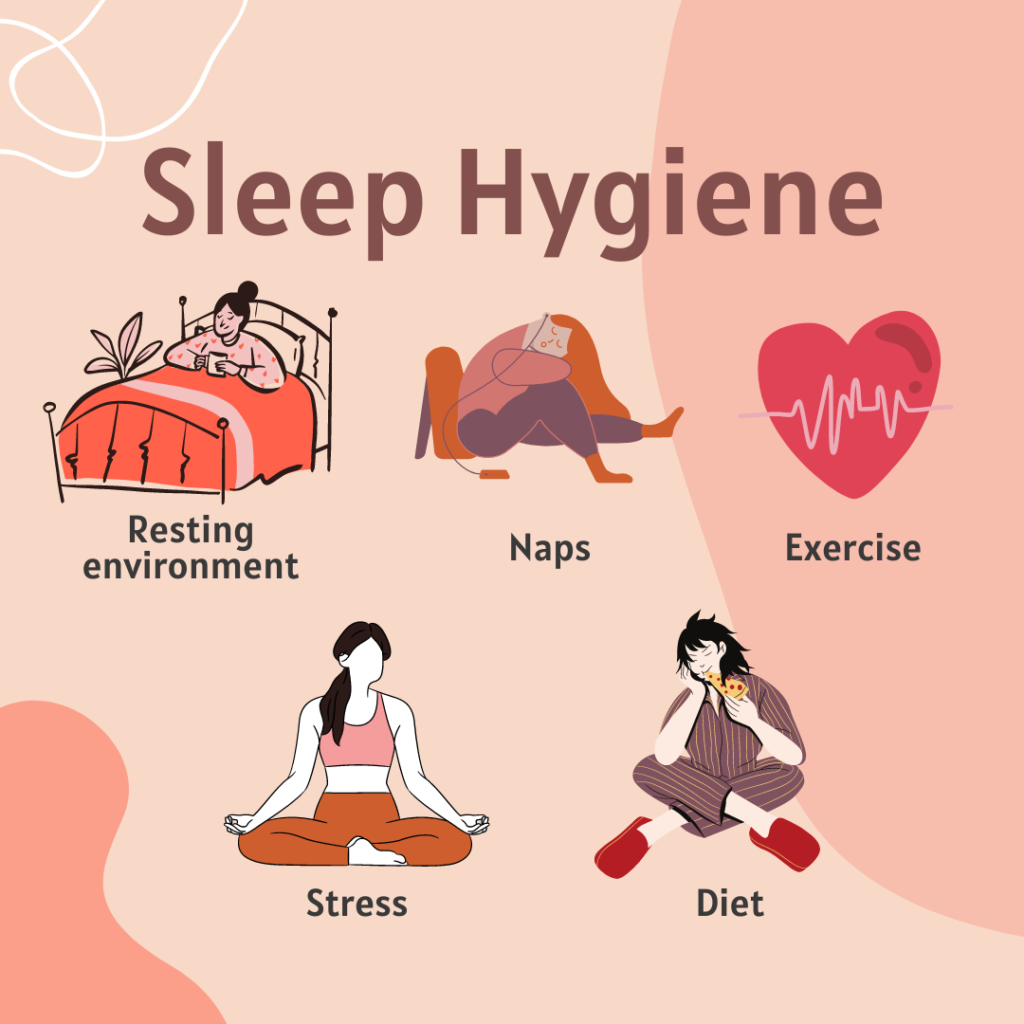
While each habit offers individual benefits, their combined effect is where meaningful change occurs. Mental well-being is multi-dimensional, and these habits interact in ways that reinforce each other.
For example:
- Better sleep improves emotional regulation
- Exercise enhances sleep quality
- Social connection reduces stress, which supports sleep
This interconnected system explains why small improvements across multiple areas often produce more noticeable results than focusing intensely on one habit alone.
Common Questions Americans Are Asking
Are small habits really enough to improve mental health?
Yes, research suggests that consistent small habits can significantly impact mental well-being over time, especially when practiced together.
How long does it take to see results?
Most studies indicate noticeable changes within a few weeks, though long-term benefits develop over months of consistency.
Do I need a strict routine?
Not necessarily. Flexibility is important, but having general structure—such as consistent sleep and activity patterns—helps regulate the body and mind.
Barriers to Maintaining Healthy Habits—and How to Overcome Them
Many people understand what they “should” do but struggle with consistency. Common barriers include time constraints, work stress, and lack of motivation.
Practical strategies to overcome these challenges:
- Start with one habit instead of changing everything at once
- Attach new habits to existing routines (e.g., walking after dinner)
- Focus on consistency rather than perfection
- Set realistic expectations
Example:
Instead of committing to an hour-long workout, starting with a 10-minute walk increases the likelihood of long-term adherence.
The Role of Environment in Mental Well-Being
Your surroundings influence your habits more than motivation alone. Research shows that environmental design plays a critical role in behavior.
Simple environmental adjustments:
- Keeping your phone out of reach during sleep
- Creating a designated relaxation space
- Using reminders for hydration or movement
These small changes reduce friction and make healthy behaviors easier to maintain.
FAQ: Everyday Mental Wellness Habits
1. What is the most important daily habit for mental health?
Sleep consistency is often considered foundational, as it affects mood, cognition, and energy levels.
2. Can exercise replace therapy or medication?
No. Exercise supports mental health but is not a substitute for professional care when needed.
3. How much exercise is enough for mental benefits?
About 150 minutes of moderate activity per week is commonly recommended.
4. Does social media always harm mental health?
Not necessarily. Moderate, intentional use can be neutral or even beneficial.
5. What’s the fastest way to reduce daily stress?
Short breathing exercises or brief walks can provide immediate relief.
6. Is journaling scientifically supported?
Yes, expressive writing has been linked to improved emotional processing.
7. How do I stay consistent with habits?
Start small, build gradually, and link habits to existing routines.
8. Can diet affect mental health?
Yes, nutrition influences brain function, though it works alongside other factors.
9. Are morning routines necessary?
Not required, but structured mornings can help set a stable tone for the day.
10. What if I miss a few days?
Consistency over time matters more than perfection. Resume without overcorrecting.
Building a Sustainable Mental Wellness Routine
Rather than aiming for perfection, the goal is to create a system that fits your lifestyle. Sustainable mental well-being comes from habits that are realistic, repeatable, and adaptable.
A balanced routine might include:
- Consistent sleep schedule
- Daily movement
- Regular social interaction
- Intentional breaks from screens
- Simple stress-management practices
Over time, these behaviors become automatic, reducing the mental effort required to maintain them.
A Grounded Approach to Long-Term Mental Resilience
Mental well-being is not achieved through a single breakthrough but through steady, intentional living. The research is clear: everyday habits—while simple—carry significant weight when practiced consistently.
Rather than searching for quick solutions, focusing on sustainable patterns offers a more reliable path to long-term mental health.
What This Means for Your Daily Life
- Small habits, repeated consistently, shape long-term mental health
- Sleep, movement, and connection form the foundation
- Digital boundaries are increasingly important in modern life
- Stress management should be practiced daily, not occasionally
- Progress comes from consistency, not intensity