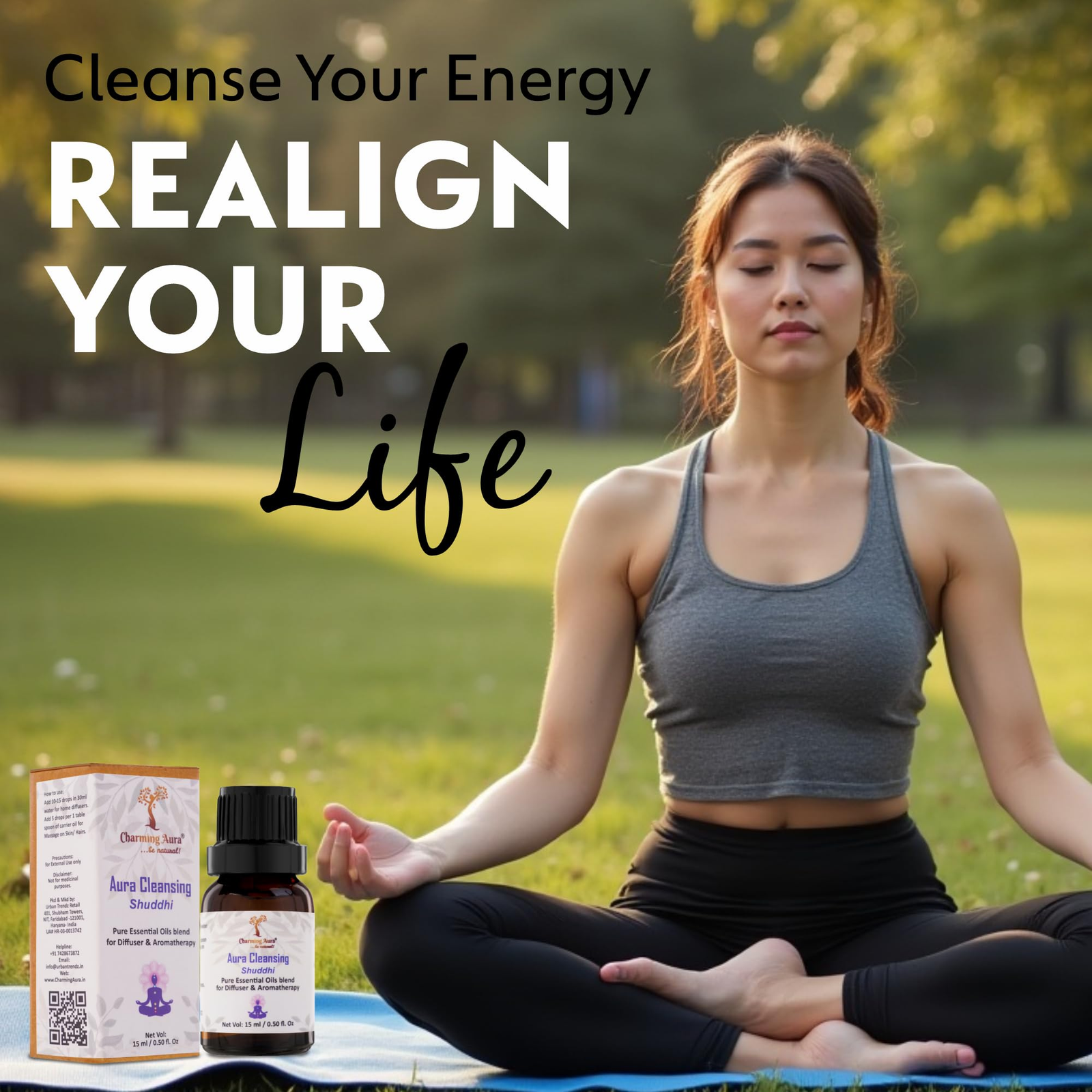
Holistic healing is gaining renewed attention across the United States as people seek more comprehensive approaches to health. Rather than replacing conventional medicine, it emphasizes treating the whole person—mind, body, and environment. This article explores what holistic healing actually involves today, why interest is rising, and how individuals are thoughtfully integrating it into modern healthcare routines.
Understanding Holistic Healing in Today’s Context
Holistic healing is often misunderstood as an alternative to conventional medicine. In reality, most modern practitioners and patients view it as a complementary approach—one that considers physical health alongside mental, emotional, social, and even environmental factors.
At its core, holistic healing is guided by a simple principle: health is interconnected. A chronic physical condition may be influenced by stress, lifestyle, or sleep patterns. Similarly, mental health challenges can manifest physically. Holistic care aims to recognize and address these overlapping influences rather than isolating symptoms.
In the United States, this perspective is increasingly reflected in healthcare trends. According to the National Center for Complementary and Integrative Health (NCCIH), approximately one in three adults uses some form of complementary health approach, including meditation, yoga, acupuncture, or dietary supplements.
Why More Americans Are Reconsidering Holistic Approaches
Several cultural and systemic shifts are contributing to the growing interest in holistic healing.
1. Rising Focus on Preventive Health
Americans are placing greater emphasis on preventing illness rather than reacting to it. Holistic practices often prioritize:
- Daily routines that support long-term health
- Stress management techniques
- Nutritional awareness
- Sleep optimization
These elements align with broader public health messaging around chronic disease prevention.
2. Increased Awareness of Mental Health
The conversation around mental health has become more open and informed over the past decade. Holistic healing often integrates:
- Mindfulness and meditation
- Breathwork practices
- Counseling or therapy support
This integrated approach resonates with individuals seeking more than symptom-based treatment.
3. Dissatisfaction with Fragmented Care
Many Americans report frustration with healthcare systems that treat symptoms in isolation. Holistic models appeal because they:
- Encourage longer, more comprehensive consultations
- Focus on root causes rather than quick fixes
- Emphasize patient involvement in decision-making

4. Influence of Lifestyle Medicine
Lifestyle medicine—an evidence-based field focusing on diet, exercise, sleep, and stress—shares strong overlap with holistic philosophy. As this field gains credibility, holistic approaches benefit from increased legitimacy.
What Holistic Healing Actually Includes
Holistic healing is not a single method. It’s an umbrella term covering a range of practices that may be used alongside conventional care.
Common Modalities in the U.S.
- Mind-body practices: meditation, yoga, tai chi
- Manual therapies: massage, chiropractic care
- Traditional systems: acupuncture, Ayurveda
- Nutritional approaches: functional nutrition, herbal support
- Energy-based practices: Reiki (less widely accepted in clinical settings)
While not all methods have equal scientific backing, many—such as mindfulness and yoga—are supported by growing research in areas like stress reduction and chronic pain management.
How Holistic Healing Fits Into Modern Healthcare
Rather than existing on the fringe, holistic approaches are increasingly being integrated into mainstream healthcare systems.
Examples of Integration
- Hospitals offering integrative medicine programs that include acupuncture or meditation
- Primary care physicians recommending lifestyle interventions alongside medication
- Mental health professionals incorporating mindfulness-based therapies
For example, institutions like the Mayo Clinic and Cleveland Clinic have developed integrative medicine departments that combine conventional treatments with evidence-informed holistic practices.
This shift reflects a broader recognition: patients benefit when care addresses multiple dimensions of health.
Real-World Scenarios: How Americans Are Using Holistic Healing
To understand how holistic healing works in practice, it helps to look at real-life applications.
Scenario 1: Managing Chronic Pain
A middle-aged office worker with chronic back pain may use:
- Physical therapy (conventional)
- Yoga for mobility and strength
- Mindfulness meditation to manage pain perception
This combined approach often improves outcomes compared to relying on a single intervention.
Scenario 2: Addressing Stress and Burnout
A professional experiencing burnout might incorporate:
- Cognitive behavioral therapy
- Daily meditation sessions
- Improved sleep hygiene and reduced screen time
Holistic strategies here focus on both psychological and physiological recovery.
Scenario 3: Supporting Digestive Health
An individual with digestive issues may explore:
- Medical evaluation to rule out serious conditions
- Dietary adjustments guided by a nutritionist
- Stress reduction techniques, given the gut-brain connection
Common Questions Americans Are Asking
Is holistic healing scientifically proven?
Some aspects are well-supported by research (e.g., mindfulness for stress, yoga for flexibility and pain), while others lack strong clinical evidence. It’s important to evaluate each practice individually rather than generalizing the entire field.
Is it safe to combine holistic and conventional medicine?
In many cases, yes—but coordination matters. Patients should always inform healthcare providers about any supplements or alternative therapies they are using to avoid interactions or unintended effects.
Benefits and Limitations to Consider
Potential Benefits
- Encourages a more comprehensive view of health
- Promotes patient engagement and self-awareness
- Supports prevention and long-term wellness
- Often improves quality of life alongside medical treatment
Limitations and Risks
- Not all therapies are evidence-based
- Quality and regulation vary across practitioners
- Can become costly if not carefully managed
- Should not replace necessary medical treatment
A balanced perspective is essential. Holistic healing works best when used thoughtfully and in coordination with qualified healthcare professionals.
How to Approach Holistic Healing Responsibly
For those interested in exploring holistic approaches, a measured and informed approach is key.
Practical Guidelines
- Start with evidence-backed practices like meditation or exercise
- Consult licensed or certified practitioners
- Verify credentials and professional affiliations
- Discuss plans with your primary healthcare provider
- Avoid abandoning prescribed treatments without medical advice
Holistic healing is not about rejecting modern medicine—it’s about expanding the toolkit available for maintaining health.

Frequently Asked Questions
1. What does “holistic” actually mean in healthcare?
It refers to treating the whole person—physical, mental, emotional, and environmental factors—rather than focusing solely on symptoms.
2. Is holistic healing the same as alternative medicine?
Not exactly. Holistic healing can include both conventional and alternative approaches, often working together.
3. Are holistic treatments covered by insurance in the U.S.?
Some are, such as chiropractic care or certain forms of therapy. Coverage varies widely by provider and plan.
4. Can holistic healing replace traditional medical treatment?
Generally, no. It is best used as a complement, not a substitute, for evidence-based medical care.
5. What are the most common holistic practices Americans use?
Meditation, yoga, dietary changes, supplements, acupuncture, and massage therapy.
6. How do I know if a holistic practitioner is qualified?
Look for certifications, licenses, and affiliations with recognized professional organizations.
7. Is there scientific evidence supporting holistic healing?
Some practices are strongly supported; others require more research. Always evaluate individual methods.
8. How quickly can results be expected?
It depends on the approach. Lifestyle-based changes often take time but may offer sustainable benefits.
9. Are there risks involved?
Yes, especially if treatments are unregulated or used in place of necessary medical care.
10. Why is holistic healing becoming more popular now?
Greater focus on mental health, prevention, and patient-centered care is driving interest.
A Broader Shift in How Health Is Defined
Holistic healing reflects a larger cultural shift in the United States—one that views health not simply as the absence of illness, but as a dynamic balance between multiple aspects of life.
As healthcare systems evolve, the line between conventional and holistic approaches is becoming less rigid. Patients are increasingly seeking care that acknowledges complexity rather than reducing it.
For many Americans, holistic healing isn’t about choosing sides. It’s about asking better questions: What factors are influencing my health? What changes are sustainable? And how can different approaches work together?
Key Insights at a Glance
- Holistic healing focuses on the interconnected nature of health
- It is increasingly integrated into mainstream U.S. healthcare
- Evidence varies by practice—critical evaluation is essential
- Most effective when combined with conventional medical care
- Reflects a growing emphasis on prevention and patient involvement