Quality sleep has become more difficult for many Americans due to modern stressors, screen exposure, irregular schedules, and environmental disruptions. Research shows that sleep challenges are often behavioral and environmental rather than purely medical. By understanding how lifestyle, technology, and stress affect sleep—and applying evidence-based strategies—individuals can meaningfully improve rest, recovery, and long-term health outcomes.
The Modern Sleep Problem: Why Rest Feels Out of Reach
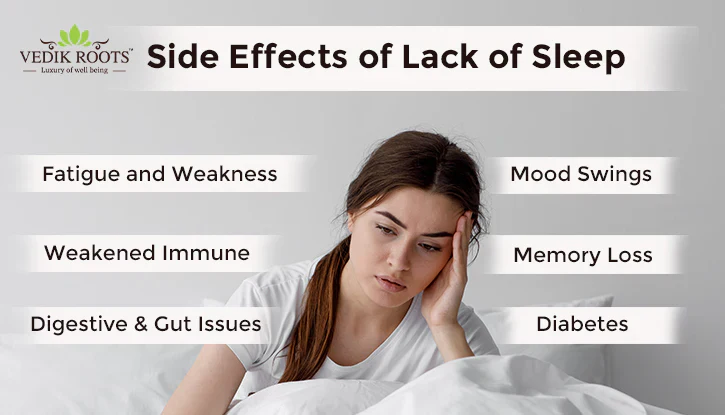
For many Americans, sleep no longer comes easily. Even after a long day, falling asleep can feel like a task rather than a natural process. According to data from the CDC, roughly one in three U.S. adults reports not getting enough sleep on a regular basis. That statistic reflects a broader shift: sleep is increasingly influenced by modern lifestyle factors that didn’t exist—or weren’t as pervasive—just a generation ago.
The challenge isn’t just about quantity, but quality. People may spend eight hours in bed yet still wake up feeling unrefreshed. This disconnect often stems from fragmented sleep cycles, late-night stimulation, and chronic stress.
Several converging trends help explain why sleep feels harder now:
- Increased screen exposure late into the evening
- Blurred boundaries between work and personal life
- Higher baseline stress and anxiety levels
- Environmental disruptions such as noise and artificial light
- Irregular schedules, including shift work and flexible hours
Individually, these factors may seem manageable. Combined, they create a sleep environment that is fundamentally misaligned with how the human body is designed to rest.
The Science of Sleep Disruption in the Digital Age
Sleep is governed by two primary systems: circadian rhythm (your internal clock) and sleep pressure (the body’s need for rest). Both systems are highly sensitive to environmental cues—especially light.
Research from institutions like Harvard Medical School shows that exposure to blue light from screens suppresses melatonin production, the hormone responsible for signaling sleep readiness. This means that scrolling on a phone or watching TV late at night can delay the body’s natural transition into sleep.
Beyond light exposure, digital engagement itself plays a role. Engaging content—whether social media, news, or streaming platforms—keeps the brain in an alert state. Even passive consumption can delay the “wind-down” process the brain requires before sleep.
Another emerging factor is “cognitive overstimulation.” The constant influx of information throughout the day can make it harder for the brain to shift into a restful mode. Many people report lying in bed with racing thoughts, replaying conversations or planning the next day.
Stress, Burnout, and the Sleep Connection
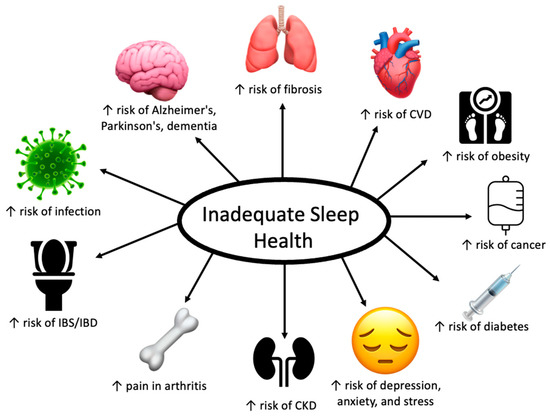
Stress has always affected sleep, but its intensity and persistence have changed. Chronic stress—often tied to work demands, financial pressure, or global uncertainty—keeps the body in a heightened state of alertness.
When stress levels remain elevated, the body produces more cortisol, a hormone that promotes wakefulness. Ideally, cortisol levels drop in the evening, allowing melatonin to rise. But in many individuals, this balance is disrupted.
Consider a common scenario: someone finishes work late, checks emails before bed, and worries about the next day’s responsibilities. Even if they turn off the lights at a reasonable hour, their body hasn’t received the signal that it’s safe to rest.
This pattern can become cyclical:
- Poor sleep increases stress sensitivity
- Increased stress further disrupts sleep
- Over time, both issues compound
Breaking this cycle requires addressing both sleep habits and stress management strategies simultaneously.
Lifestyle Factors That Quietly Undermine Sleep
Many sleep challenges are not caused by major disruptions, but by subtle, everyday habits that accumulate over time. These habits often go unnoticed because they are normalized within modern routines.
Caffeine Timing
Caffeine has a half-life of about 5–7 hours. That afternoon coffee may still be active in your system at bedtime, reducing sleep depth even if you fall asleep quickly.
Irregular Sleep Schedules
Going to bed at different times each night confuses the circadian rhythm. Consistency is more important than many people realize.
Late-Night Eating
Heavy meals close to bedtime can interfere with digestion and body temperature regulation, both of which impact sleep quality.
Alcohol Misconceptions
While alcohol may help people fall asleep faster, research shows it disrupts REM sleep, leading to less restorative rest.
Physical Inactivity
Regular movement supports deeper sleep cycles. Sedentary days often correlate with lighter, less satisfying sleep.
What Research Suggests Actually Helps
Improving sleep doesn’t require drastic changes. In fact, research consistently shows that small, consistent adjustments can have meaningful impact. The key is aligning daily behaviors with the body’s natural rhythms.
Here are evidence-based strategies that have shown measurable benefits:
1. Establish a Consistent Sleep Window
Going to bed and waking up at the same time—even on weekends—helps regulate the circadian rhythm. Over time, the body begins to anticipate sleep.
2. Create a Wind-Down Routine
A 30–60 minute pre-sleep routine signals the brain to transition from alertness to rest. This might include reading, light stretching, or listening to calm audio.
3. Reduce Evening Light Exposure
Dimming lights in the evening and limiting screen use can support melatonin production. Some people find success using blue-light filters or “night mode” settings.
4. Optimize the Sleep Environment
Research suggests that cooler room temperatures (around 60–67°F), minimal noise, and darkness support deeper sleep.
5. Manage Stress Earlier in the Day
Techniques such as journaling, mindfulness, or brief walks can reduce the mental load carried into the evening.
6. Use the Bed Only for Sleep
Associating the bed with sleep (rather than work or scrolling) strengthens the brain’s connection between bed and rest.
Real-World Example: Small Changes, Noticeable Results
Take the case of a mid-career professional working hybrid hours. They reported difficulty falling asleep despite feeling tired. Their routine included late-night emails, inconsistent bedtimes, and occasional evening workouts.
Instead of overhauling everything, they made three changes:
- Set a fixed bedtime and wake time
- Stopped checking email after 9 PM
- Added a 20-minute reading routine before bed
Within two weeks, they reported falling asleep faster and waking up with more energy. The improvement wasn’t dramatic overnight—but it was steady and sustainable.
This example reflects a broader principle: sleep improvement is often incremental, not immediate.
When Sleep Issues May Require Professional Support
While many sleep challenges can be improved through behavioral changes, some situations require medical attention. Persistent insomnia, loud snoring, or frequent nighttime awakenings may indicate underlying conditions such as sleep apnea or chronic insomnia disorder.
Signs that it may be time to consult a professional include:
- Difficulty sleeping for more than three weeks
- Daytime fatigue that affects daily functioning
- Waking up gasping or choking
- Dependence on sleep aids
Sleep specialists can provide targeted interventions, including cognitive behavioral therapy for insomnia (CBT-I), which is widely considered a first-line treatment.

Frequently Asked Questions
1. Why do I feel tired even after 8 hours of sleep?
Sleep quality matters as much as duration. Fragmented sleep or poor REM cycles can leave you feeling unrested.
2. Does using my phone before bed really affect sleep?
Yes. Blue light exposure and mental stimulation can delay sleep onset and reduce sleep quality.
3. How long does it take to fix a sleep schedule?
Most people notice improvements within 1–2 weeks of consistent habits, though full adjustment may take longer.
4. Is napping during the day harmful?
Short naps (20–30 minutes) can be beneficial, but long or late naps may interfere with nighttime sleep.
5. What is the best temperature for sleep?
Research suggests 60–67°F is optimal for most people.
6. Can stress alone cause insomnia?
Yes. Chronic stress can disrupt hormone balance and keep the body in a wakeful state.
7. Are sleep supplements effective?
Some may help short-term, but they should not replace consistent sleep habits.
8. Why do I wake up in the middle of the night?
This can be due to stress, environmental factors, or natural sleep cycle transitions.
9. Does exercise improve sleep?
Yes, especially when done earlier in the day. Late intense workouts may delay sleep.
10. Should I stay in bed if I can’t fall asleep?
No. If you’re awake for more than 20 minutes, it’s better to get up and do something calming.
Relearning How to Rest in a 24/7 World
Sleep challenges today are less about inability and more about interference. The modern environment is filled with signals that keep the brain alert—light, information, and stress. Reclaiming quality sleep requires intentionally reducing those signals and rebuilding routines that support rest.
The encouraging reality is that sleep is highly responsive to behavior. Even small adjustments, when applied consistently, can restore the body’s natural rhythm over time.
Key Insights at a Glance
- Modern lifestyles disrupt natural sleep rhythms
- Light exposure and digital habits delay sleep onset
- Stress plays a central role in sleep quality
- Small, consistent changes are more effective than drastic ones
- Environment and routine matter as much as duration
- Professional help may be needed for persistent issues