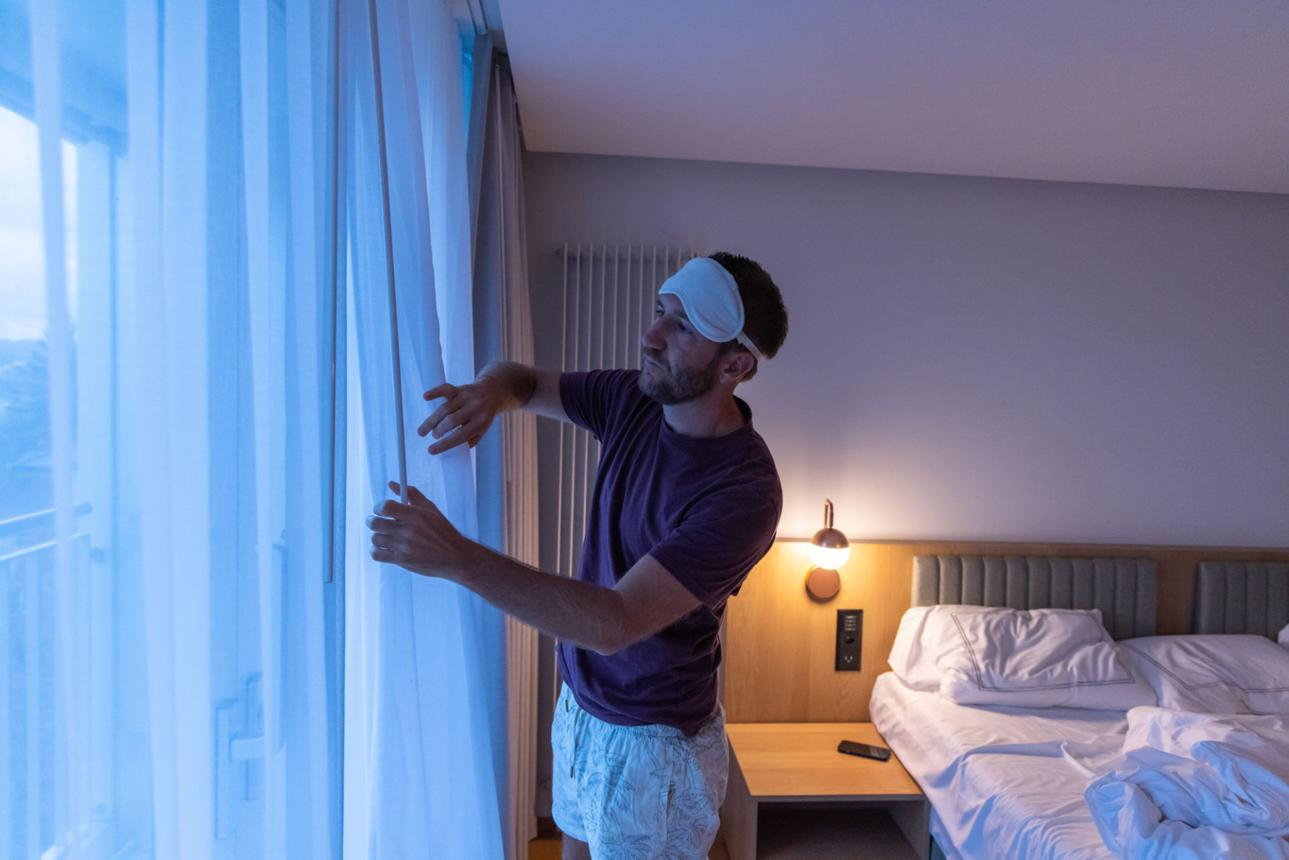
Modern Americans are experiencing stress differently than previous generations, and those changes are increasingly affecting sleep quality, daily recovery, and long-term wellness. From constant digital stimulation to economic uncertainty and irregular work schedules, many people are finding it harder to fully relax. Research suggests that stress-related sleep disruption is becoming more common across age groups, influencing productivity, mood, physical health, and overall quality of life.
What Changing Stress Patterns Could Mean for Sleep and Relaxation in Modern American Life
For many Americans, exhaustion no longer comes only from physical work. Mental overload, digital interruptions, financial pressure, and constant connectivity are reshaping how people experience stress — and, increasingly, how they sleep.
Over the past decade, conversations around sleep have moved beyond simple bedtime advice. Sleep specialists, behavioral researchers, and wellness experts are now paying closer attention to the broader lifestyle patterns that interfere with rest. The issue is not only that people are sleeping fewer hours. Many are struggling to achieve restorative sleep even when they spend enough time in bed.
This shift matters because sleep affects nearly every system in the body. It influences concentration, emotional regulation, immune function, cardiovascular health, and metabolic processes. Relaxation, meanwhile, is becoming harder to access in environments designed for constant stimulation.
For millions of Americans, stress is no longer occasional. It has become ambient.
Why Stress Feels Different Today
Stress itself is not new. Humans have always faced pressure related to work, family, health, and survival. What has changed is the frequency and intensity of low-level stressors throughout the day.
In previous generations, many stressors were temporary and localized. Today, digital devices create a continuous stream of information, notifications, and social comparison. News cycles operate around the clock. Remote work has blurred boundaries between personal and professional life. Economic uncertainty, rising living costs, and changing social expectations add additional layers of psychological strain.
According to the American Psychological Association, a significant percentage of Americans report feeling overwhelmed by ongoing stress, with younger adults often reporting the highest levels. Researchers have also observed stronger links between chronic stress and sleep fragmentation, where people wake repeatedly during the night even if they initially fall asleep easily.
The body responds to stress through hormonal pathways involving cortisol and adrenaline. In short bursts, these responses are useful. Over time, however, prolonged activation can interfere with the body’s ability to transition into restorative rest.
Common modern stress contributors include:
- Constant smartphone engagement
- Financial uncertainty
- Hybrid or remote work fatigue
- Social media comparison
- Information overload
- Caregiver responsibilities
- Irregular work schedules
- Reduced physical movement during the day
Individually, these pressures may seem manageable. Together, they create an environment where true relaxation becomes increasingly difficult.
How Stress Changes Sleep Patterns
One of the most noticeable effects of chronic stress is disrupted sleep architecture. Sleep specialists explain that healthy sleep involves cycling through multiple stages, including deep sleep and REM sleep. Persistent stress can interfere with those cycles.
Some people experience difficulty falling asleep because the brain remains mentally active late into the evening. Others fall asleep quickly but wake frequently during the night. Many report feeling tired despite sleeping seven or eight hours.
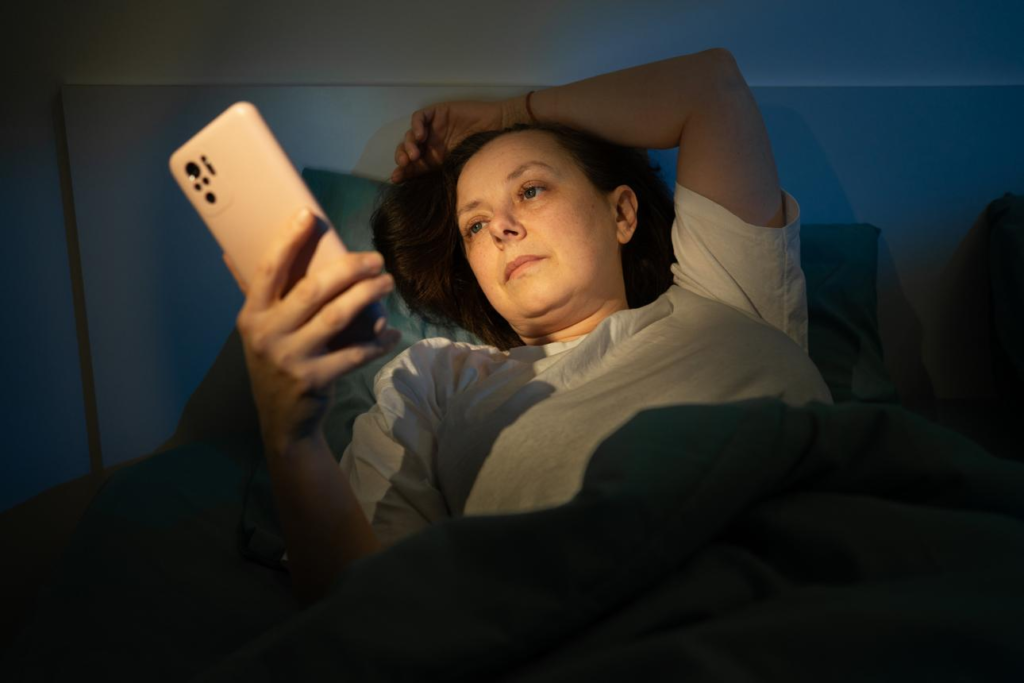
This pattern is becoming especially common among adults who maintain high levels of cognitive stimulation before bed. Watching emotionally intense content, scrolling social media, responding to emails, or checking financial updates late at night can delay the nervous system’s transition into a calmer state.
Research published through organizations such as the National Sleep Foundation has repeatedly shown connections between stress and reduced sleep quality. Sleep deprivation, in turn, can heighten emotional reactivity and make stress feel even more difficult to manage.
The result can become cyclical:
- Stress interferes with sleep
- Poor sleep increases emotional sensitivity
- Increased sensitivity worsens stress perception
- The cycle repeats
Over time, this pattern can affect work performance, relationships, decision-making, and physical health.
The Rise of “Revenge Bedtime Procrastination”
Behavioral researchers have increasingly discussed a pattern sometimes called “revenge bedtime procrastination.” The term describes people delaying sleep in order to reclaim personal time after demanding days.
An employee who spends ten hours working, commuting, caregiving, or managing responsibilities may stay awake late scrolling videos or watching television despite feeling exhausted. The late-night hours become psychologically associated with freedom and control.
This behavior is especially common among younger professionals and parents balancing multiple obligations.
While understandable, the habit often creates long-term sleep debt. Many people sacrifice restorative rest in exchange for short-term emotional relief or entertainment.
Common examples include:
- Staying awake to stream shows after stressful workdays
- Endless social media scrolling late at night
- Gaming for several hours after midnight
- Working additional side jobs during sleeping hours
- Using nighttime as the only uninterrupted personal time
Experts note that the issue is not laziness or poor discipline alone. In many cases, it reflects deeper problems related to burnout, time scarcity, and emotional exhaustion.

Why Relaxation Is Becoming Harder
Relaxation used to occur more naturally in daily life. Walking outside, commuting without digital distractions, socializing face-to-face, or engaging in hobbies created mental pauses throughout the day.
Modern life often eliminates those pauses.
Many Americans now move directly from one form of stimulation to another. Work screens transition into entertainment screens. Notifications continue during meals, family interactions, and evenings.
Even leisure activities can become psychologically activating rather than calming.
Streaming platforms encourage binge-watching. Social media algorithms reward emotional intensity. Online discussions often involve conflict or comparison. Instead of slowing the nervous system, these environments can maintain low-grade mental arousal for hours.
Researchers studying relaxation techniques increasingly emphasize that true recovery requires intentional disengagement from stimulation.
That does not necessarily mean expensive wellness routines. Often, the most effective forms of relaxation are surprisingly simple:
- Consistent sleep schedules
- Evening walks
- Reduced screen exposure before bed
- Quiet reading
- Light stretching
- Controlled breathing exercises
- Spending time outdoors
- Unstructured social interaction
The challenge is not understanding these habits. The challenge is protecting time and mental space for them in modern environments.
How Work Culture Is Affecting Rest
Work culture in the United States has changed substantially in recent years. Remote work introduced flexibility for many people, but it also extended the workday into personal hours.
Employees increasingly report difficulty mentally disconnecting from work responsibilities. Messages arrive at all hours. Meetings span multiple time zones. Productivity tracking tools can create a feeling of constant observation.
For some workers, the home itself no longer feels psychologically separate from work.
This blurring of boundaries can make relaxation harder because the brain receives fewer signals that the workday has truly ended.
Shift workers and gig economy workers face additional challenges. Irregular schedules disrupt circadian rhythms, making consistent sleep harder to maintain.
Healthcare professionals, delivery workers, customer support staff, and transportation employees often experience sleep disruptions caused by unpredictable hours.
Experts in occupational health increasingly recommend creating stronger transition rituals between work and personal time, including:
- Turning off work notifications after specific hours
- Maintaining consistent evening routines
- Separating workspaces from sleeping areas when possible
- Taking short outdoor breaks during the day
- Limiting late-night work communication
Even small boundaries can help retrain the nervous system toward relaxation.
Stress, Sleep, and Physical Health
The connection between stress and sleep extends far beyond fatigue.
Poor sleep has been associated with increased risks related to:
- Cardiovascular disease
- Anxiety and depression
- Weakened immune function
- Weight regulation issues
- Reduced concentration
- Increased accident risk
- Mood instability
- Blood pressure changes
At the same time, chronic stress can increase inflammation and contribute to physical tension patterns throughout the body.
Many Americans first notice the effects through subtle symptoms:
- Morning exhaustion
- Brain fog
- Irritability
- Digestive discomfort
- Headaches
- Difficulty concentrating
- Reduced patience
- Emotional burnout
These symptoms are often normalized in high-pressure environments, even though they may signal deeper recovery deficits.
Healthcare providers increasingly encourage patients to view sleep as a foundational health behavior rather than a luxury.
Are Americans Becoming More Sleep-Aware?
Despite rising stress levels, there are signs that public awareness around sleep is improving.
Consumers are showing greater interest in:
- Sleep tracking devices
- Meditation apps
- Relaxation techniques
- Sleep-friendly bedroom environments
- Mental wellness education
- Workplace wellness policies
Younger generations, in particular, appear more willing to discuss burnout, anxiety, and emotional fatigue openly.
There has also been growing recognition that productivity and recovery are connected rather than opposing forces.
Some employers have begun adjusting policies around flexibility, mental health support, and after-hours communication. Schools and universities are also exploring how stress affects student performance and sleep quality.
Still, awareness alone does not eliminate structural pressures like long work hours, economic instability, or caregiving demands.
The broader conversation is shifting from “How can people optimize sleep?” to “What conditions make healthy rest difficult in the first place?”
Practical Adjustments That May Improve Relaxation
Sleep experts often caution against expecting overnight transformation. Sustainable improvements usually come from small, repeatable adjustments rather than dramatic routines.
Several practical habits consistently appear in behavioral sleep research:
Create a Predictable Wind-Down Period
The brain responds well to consistency. Repeating calming activities before bed can gradually signal that it is time to rest.
Examples include:
- Dimming lights
- Reading physical books
- Listening to calm audio
- Avoiding emotionally intense media
- Keeping consistent sleep hours
Reduce Stimulation Before Sleep
Blue light is only part of the issue. Mental stimulation also matters.
Avoiding stressful conversations, work tasks, or rapid content consumption late at night may improve relaxation quality.
Pay Attention to Caffeine Timing
Many adults underestimate how long caffeine remains active in the body. Afternoon coffee or energy drinks can affect nighttime sleep even when fatigue is not immediately noticeable.
Use Physical Movement Strategically
Moderate exercise often improves sleep quality, especially when performed consistently. Even daily walking can support nervous system regulation.
Treat Rest as Necessary Maintenance
One of the most significant mindset shifts involves viewing rest as productive rather than optional.
People who consistently deprioritize sleep often experience reduced efficiency, emotional resilience, and long-term health stability.

What Experts Continue to Study
Researchers continue exploring how technology, economic stress, social behavior, and work culture influence sleep patterns.
Areas receiving increased attention include:
- Social media’s effect on nighttime anxiety
- Sleep disruption among remote workers
- Teen sleep deprivation and digital habits
- Long-term effects of chronic low-grade stress
- Links between burnout and sleep fragmentation
- Relaxation techniques for high-pressure professions
There is also growing interest in whether Americans are adapting to permanent overstimulation rather than fully recovering from it.
That distinction may shape future conversations around public health, workplace design, education, and mental wellness.
When Rest Stops Feeling Automatic
For much of modern history, sleep was viewed primarily as biological downtime. Today, it is increasingly understood as a reflection of broader cultural and psychological conditions.
Changing stress patterns are affecting how Americans rest, recover, and regulate emotion. The issue is no longer limited to isolated insomnia or occasional exhaustion. For many people, constant stimulation has become the background condition of daily life.
The growing focus on sleep and relaxation may ultimately represent something larger: a recognition that human recovery cannot be separated from the environments people live and work within.
As conversations around stress continue evolving, the future of wellness may depend less on perfect routines and more on rebuilding spaces for genuine mental recovery.
Key Patterns Worth Watching
- Chronic low-level stress is increasingly linked to disrupted sleep quality
- Constant digital stimulation may interfere with relaxation
- Work-life boundaries have become less defined for many Americans
- Sleep deprivation can affect emotional regulation and physical health
- “Revenge bedtime procrastination” reflects deeper burnout patterns
- Relaxation often requires intentional reduction of stimulation
- Small behavioral changes tend to produce more sustainable improvements
- Public awareness around sleep health continues to grow
- Researchers are studying long-term effects of chronic overstimulation
- Recovery is increasingly viewed as essential rather than optional