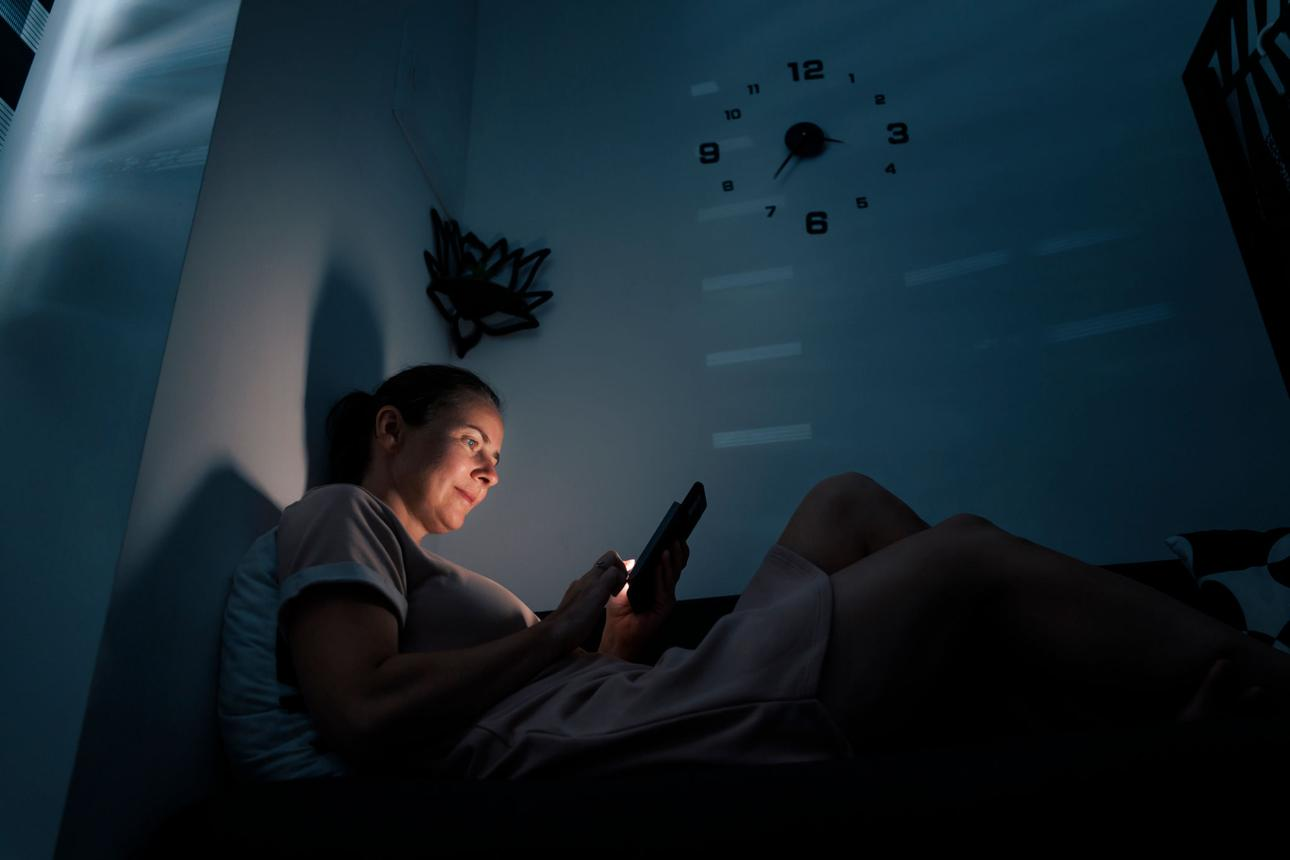
Sleep quality is often shaped by small, repeated behaviors that people rarely notice. Evening screen exposure, inconsistent sleep schedules, late caffeine intake, stress-driven routines, bedroom lighting, and even irregular wake times can gradually affect how restorative sleep feels. Research suggests that improving sleep often depends less on dramatic lifestyle changes and more on consistent, practical adjustments that support the body’s natural rhythms.
Why Sleep Problems Often Start With Everyday Habits
Many Americans assume poor sleep comes from major stress, medical conditions, or demanding work schedules alone. While those factors matter, sleep researchers increasingly point toward smaller, quieter habits that slowly disrupt sleep quality over time.
These habits usually do not feel harmful in the moment. Checking a phone for “just a few minutes,” answering emails late at night, drinking coffee later in the afternoon, or falling asleep with the television on can seem harmless individually. But repeated nightly exposure can interfere with the body’s sleep-wake cycle, known as the circadian rhythm.
According to research examining evening screen exposure and sleep behavior, extended exposure to screens before bed has been associated with longer sleep latency, more fatigue, and lower subjective sleep quality.
The challenge is that many people still technically “sleep” for seven or eight hours while experiencing poor-quality rest. They wake up feeling mentally foggy, physically tired, or unusually irritable without immediately connecting those symptoms to their evening habits.
The Hidden Role of Evening Screen Exposure
One of the most commonly discussed sleep disruptors today is screen exposure before bed. Smartphones, tablets, televisions, and laptops expose users to blue light while also stimulating the brain through scrolling, notifications, videos, and constant information intake.
Researchers studying screen exposure and sleep patterns found that using screens shortly before sleep was linked to greater fatigue and delayed sleep onset.
The issue is not always the device itself. In many cases, it is the combination of light exposure and mental stimulation.
Consider a common example:
A person finishes work at 6 p.m., eats dinner, and spends the next four hours switching between social media, streaming platforms, text messages, and work emails. Even if they go to bed at 11 p.m., the brain may still be operating in an alert state rather than a relaxed one.
Some sleep specialists now describe this as a “soft activation cycle,” where the nervous system never fully shifts into recovery mode before bedtime.
Research involving smartphone use in bed found measurable effects on sleep latency and nighttime awakenings.
Practical adjustments people often find helpful:
- Reducing screen exposure 30–60 minutes before sleep
- Using warmer lighting in the evening
- Avoiding emotionally stimulating content late at night
- Charging phones outside the bedroom
- Replacing late-night scrolling with low-stimulation activities like reading or stretching
These changes are not about perfection. Even modest reductions in late-night screen exposure may help some individuals feel more rested over time.
Why Inconsistent Sleep Schedules Quietly Affect Recovery
Many adults focus only on bedtime while overlooking wake-up consistency.
However, sleep researchers frequently emphasize that the body responds strongly to predictable timing. Going to bed at midnight on weekdays and 2 a.m. on weekends can disrupt the body’s internal clock even if total sleep hours appear similar.
Recent reporting on long-term sleep consistency highlighted findings suggesting that irregular sleep schedules may be linked to poorer long-term health outcomes.
This inconsistency creates what some experts call “social jet lag.” The body struggles to predict when it should release melatonin, regulate temperature, and prepare for recovery.
A familiar example looks like this:
- Monday–Friday: asleep by 11 p.m.
- Friday night: asleep at 2 a.m.
- Saturday morning: wake at 10 a.m.
- Sunday night: difficulty falling asleep again
Many people then begin the workweek already feeling behind.
Habits that may improve consistency:
- Maintaining a relatively stable wake time
- Avoiding dramatic weekend schedule shifts
- Getting natural morning light shortly after waking
- Keeping nighttime routines predictable
Morning sunlight exposure has also become a growing area of interest among sleep researchers and consumers using wearable sleep trackers. Online discussions and anecdotal reports frequently describe improved sleep timing after consistent early daylight exposure.

The Afternoon Caffeine Habit Many People Underestimate
Caffeine sensitivity varies widely between individuals, which makes sleep disruption difficult to recognize.
Someone may drink coffee at 4 p.m. and still fall asleep at 11 p.m. — yet experience lighter sleep, more awakenings, or reduced deep sleep without realizing it.
Research cited by sleep experts notes that caffeine can remain active in the body for several hours.
This explains why some people wake feeling exhausted despite spending enough time in bed.
Common overlooked caffeine sources include:
- Energy drinks
- Pre-workout supplements
- Iced tea
- Chocolate-based snacks
- Afternoon cold brew coffee
- Soda and sparkling caffeinated beverages
One frequently overlooked pattern in American work culture is “fatigue compensation.” People sleep poorly, rely on caffeine the next day, then struggle to unwind again that night.
Over time, the cycle becomes self-reinforcing.
Helpful strategies people commonly try:
- Moving caffeine intake earlier in the day
- Reducing highly concentrated energy drinks
- Monitoring how caffeine affects sleep over several weeks
- Choosing non-caffeinated evening beverages
The goal is not necessarily eliminating caffeine entirely, but understanding personal tolerance and timing.
Stress Does Not Always Look Like Stress
Many people associate stress with obvious anxiety or emotional overwhelm. But modern stress often appears quieter and more normalized.
Examples include:
- Constant multitasking
- Late-night work messages
- Continuous background notifications
- Financial uncertainty
- Mental overplanning before bed
- Feeling unable to “switch off”
Research and sleep discussions increasingly point toward cognitive overstimulation as a major contributor to poor sleep quality.
A person may technically be lying in bed, but their brain is still processing unfinished conversations, upcoming meetings, news cycles, or social media content.
This mental activation can delay relaxation even when physical exhaustion is present.
Gentle wind-down practices that some adults report helping:
- Writing down next-day tasks before bed
- Taking short evening walks
- Stretching or breathing exercises
- Lowering household lighting after dinner
- Creating a “no-work” cutoff time
- Listening to calming audio rather than consuming visual media
Importantly, these routines tend to work best when repeated consistently rather than used occasionally during stressful periods.
The Bedroom Environment People Often Ignore
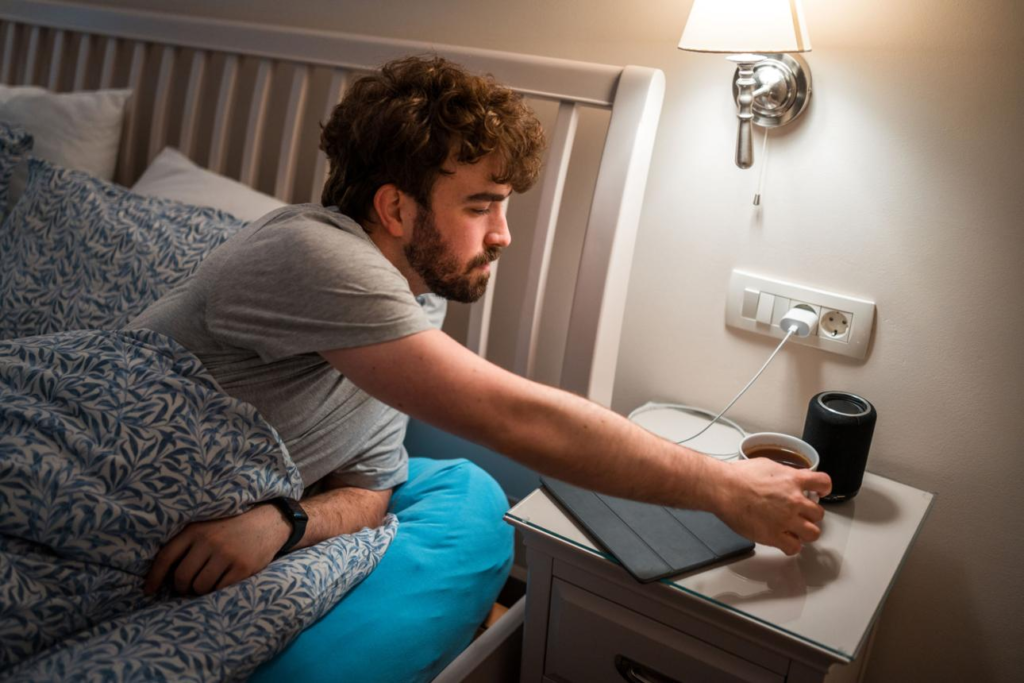
Sleep quality is strongly affected by environmental cues, yet many bedrooms unintentionally contain several sleep disruptors.
Even low levels of light exposure may influence melatonin production and sleep quality.
Common examples include:
- Bright digital clocks
- Television standby lights
- Phone notifications
- Streetlight exposure
- Warm room temperatures
- Background television noise
Temperature also plays a surprisingly important role. Many sleep researchers recommend cooler sleeping environments because body temperature naturally drops during sleep preparation.
Discussions among wearable-device users frequently mention noticeable improvements after adjusting bedroom temperature and mattress quality.
Environmental adjustments that may support better rest:
- Keeping bedrooms cool and dark
- Using blackout curtains when needed
- Limiting unnecessary electronics
- Reducing overnight notification sounds
- Investing in supportive bedding if discomfort is recurring
Small environmental improvements often become more noticeable after several weeks rather than overnight.
The Overlooked Connection Between Food Timing and Sleep
People often focus heavily on what they eat while paying less attention to when they eat.
Research on sleep hygiene suggests that heavy meals, alcohol, and late-night eating may affect sleep latency and overnight recovery.
Late-night eating can sometimes keep digestion highly active during hours when the body is trying to transition into restorative sleep.
Alcohol creates another misunderstood pattern. While it may initially create drowsiness, it can disrupt REM sleep later in the night.
A common real-world scenario:
Someone eats a heavy dinner at 9:30 p.m., drinks alcohol while watching television, falls asleep quickly, then wakes repeatedly overnight or feels unusually tired the next morning.
The problem is not always visible because total sleep time may still appear adequate.
Sleep-friendly eating habits many experts recommend:
- Finishing large meals earlier in the evening
- Avoiding excessive alcohol close to bedtime
- Monitoring how sugary or heavy foods affect sleep
- Keeping evening snacks lighter when possible
Why Sleep Quality Is Becoming a Bigger Public Health Conversation
Sleep is no longer viewed as simply “rest.” Researchers increasingly connect sleep quality with cardiovascular health, mental performance, emotional regulation, metabolism, and immune function.
This shift explains why conversations around sleep have expanded across workplaces, healthcare systems, and wellness industries in the United States.
At the same time, many Americans are discovering that sleep problems are not always solved through dramatic optimization. In many cases, improvement comes from identifying repeated patterns that quietly interfere with recovery.
That perspective has changed how many sleep professionals approach long-term habit change.
Instead of asking:
“What is the perfect nighttime routine?”
The better question may be:
“Which small habits are repeatedly signaling my brain to stay alert?”
Questions Americans Frequently Ask About Sleep Quality
Why do I wake up tired even after sleeping eight hours?
Sleep duration and sleep quality are different. Frequent awakenings, stress, alcohol, screen exposure, or inconsistent schedules may reduce restorative sleep even when total hours appear adequate.
Can phone use before bed really affect sleep?
Research suggests that evening screen exposure may delay sleep onset and contribute to poorer sleep quality, especially when screens are used immediately before bed.
How late is too late for caffeine?
Many sleep experts recommend limiting caffeine intake later in the afternoon because caffeine may remain active in the body for several hours. Individual sensitivity varies.
Does sleeping with the TV on affect sleep quality?
For some people, background light, sound changes, and mental stimulation from television may interfere with deeper sleep stages.
Why does stress make it harder to sleep?
Stress increases mental alertness and nervous system activation, making it more difficult for the body to transition into recovery mode.
Is it better to wake up at the same time every day?
Consistent wake times may help regulate circadian rhythms and improve sleep consistency over time.
Can room temperature affect sleep?
Yes. Cooler environments are often associated with improved sleep comfort and easier sleep onset for many individuals.
Does alcohol help or hurt sleep?
Alcohol may initially increase drowsiness but can disrupt sleep architecture and REM sleep later in the night.
How long before bed should I stop using screens?
Many experts suggest reducing screen exposure at least 30–60 minutes before sleep, though individual responses differ.
What is one simple habit that may improve sleep quality?
Consistent wake times combined with morning daylight exposure are commonly recommended because they help regulate the body’s natural sleep timing.
When Better Sleep Starts With Smaller Decisions
Sleep improvement is often less dramatic than people expect. It rarely depends on a single product, supplement, or overnight transformation.
More often, it develops through repeated signals the body learns to trust:
- predictable sleep timing
- lower evening stimulation
- quieter environments
- reduced late-night mental activation
- healthier boundaries around work and screens
Many of the habits affecting sleep are subtle precisely because they feel normal. Modern routines encourage constant stimulation, extended screen exposure, irregular schedules, and blurred lines between work and rest.
Recognizing those patterns is often the first meaningful step toward more restorative sleep.
Key Sleep Insights Worth Remembering
- Sleep quality depends heavily on consistency, not just duration
- Evening screen exposure may affect sleep latency and fatigue
- Afternoon caffeine can influence sleep later than many people expect
- Stress often appears as mental overstimulation rather than obvious anxiety
- Bedroom lighting, temperature, and noise matter more than many realize
- Heavy meals and alcohol close to bedtime may reduce sleep quality
- Morning sunlight exposure may help regulate circadian rhythm
- Small behavioral changes often create more sustainable improvements than extreme routines