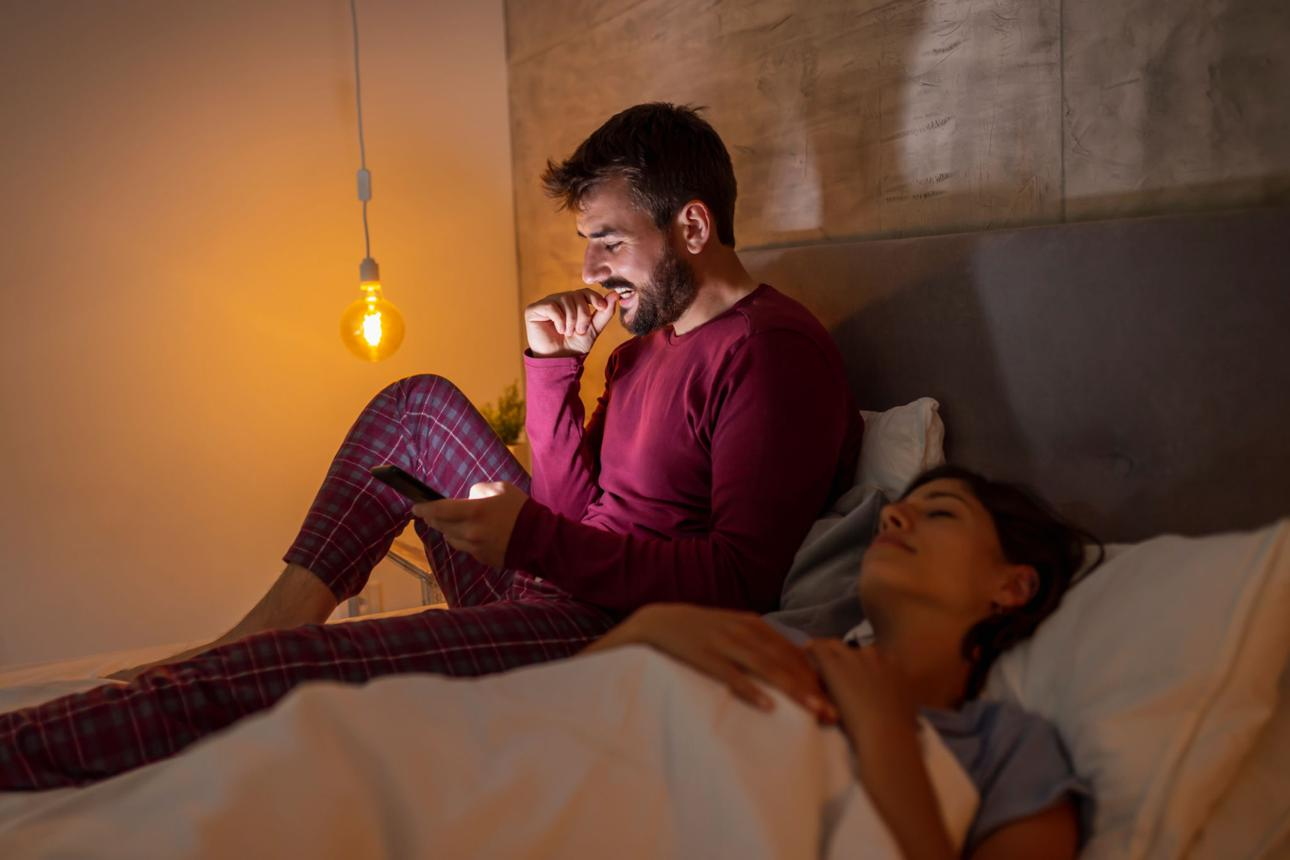
Across the United States, more adults are reconsidering how they spend the final hours of the day. Sleep researchers, mental health specialists, and wellness experts are increasingly linking evening habits to sleep quality, stress recovery, mood stability, and long-term health outcomes. From screen exposure to late-night eating patterns, small routine changes are becoming a growing focus for Americans seeking more restorative rest and better daily functioning.
A Growing National Conversation Around Sleep
For many Americans, evenings have quietly become one of the most overstimulating parts of the day. Work emails continue long after office hours. Streaming platforms encourage extended viewing. Social media feeds rarely end. Notifications arrive constantly. Meanwhile, stress from work, finances, parenting, and modern digital life often peaks at night when distractions finally slow down.
Sleep specialists say these patterns are reshaping how Americans think about rest.
According to the Centers for Disease Control and Prevention, adults generally need at least seven hours of sleep each night for optimal health. Yet millions consistently fall short. Researchers have connected inadequate sleep with increased risks related to cardiovascular health, mental well-being, concentration, metabolic function, and emotional regulation.
What has changed in recent years is not simply awareness of sleep deprivation, but awareness of the role evening behavior plays in it.
Rather than focusing only on bedtime itself, more experts now emphasize the “pre-sleep environment” — the final one to three hours before sleep begins.
Why Evening Routines Are Receiving More Attention
Sleep experts increasingly view evening routines as a type of biological preparation period rather than a collection of unrelated habits.
The body does not instantly switch from high alertness to deep rest. Hormones, nervous system activity, light exposure, stress levels, digestion, and mental stimulation all influence how quickly and effectively the body transitions into sleep.
Many Americans unintentionally create the opposite conditions.
Common examples include:
- Watching emotionally intense television late at night
- Working on laptops in bed
- Consuming caffeine later in the afternoon
- Eating heavy meals close to bedtime
- Constant social media scrolling
- Irregular sleep schedules between weekdays and weekends
- Falling asleep with television or podcasts playing
Sleep physicians say these habits are not necessarily harmful in isolation. The concern is cumulative overstimulation.
Over time, the brain can begin associating nighttime with alertness instead of recovery.
The Shift From Productivity Culture to Recovery Culture
One reason evening routines are changing is cultural fatigue.
For years, productivity-focused lifestyles encouraged constant optimization, multitasking, and extended availability. But many Americans are now recognizing that high performance without adequate recovery often leads to burnout rather than long-term efficiency.
This shift has become especially visible among remote workers.
Without clear boundaries between work and home life, many professionals struggle to mentally “clock out.” Sleep experts report growing interest in transitional evening habits that signal the end of the workday.
Examples include:
- Taking a short evening walk
- Dimming household lighting
- Avoiding email after a certain hour
- Reading physical books instead of screens
- Listening to calming audio
- Maintaining consistent sleep schedules
Researchers note that these practices work partly because they introduce predictability. Consistency helps regulate circadian rhythms, the body’s internal timing system that influences sleep-wake cycles.
What Sleep Experts Are Noticing About Screen Exposure
One of the most discussed evening habits in sleep science involves screen use.
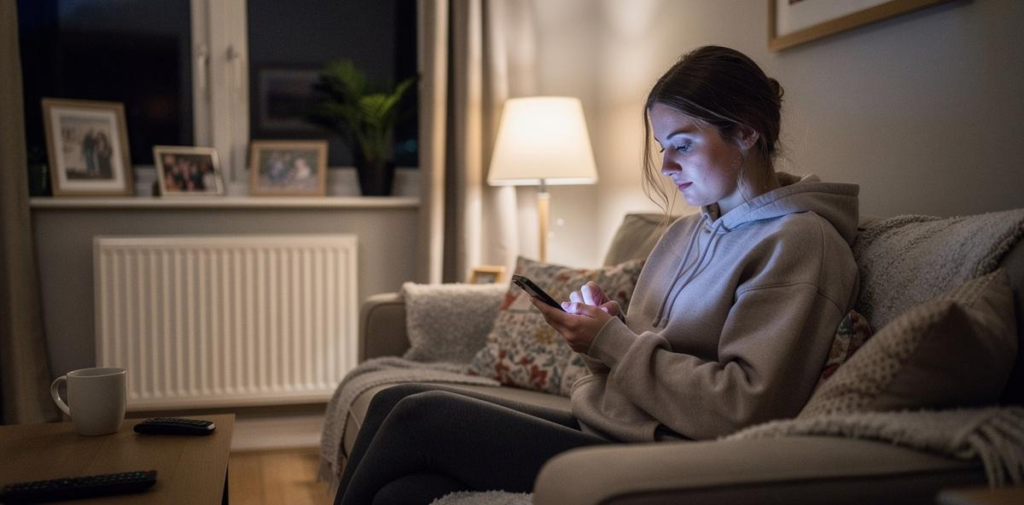
Phones, tablets, televisions, and laptops expose users to significant amounts of artificial light during hours when the body naturally expects darkness. Experts particularly focus on blue-wavelength light because it can suppress melatonin production, a hormone associated with sleep timing.
However, many sleep specialists caution against oversimplifying the issue.
The problem is often not just the light itself. It is also the psychological stimulation attached to devices.
A person responding to work messages, reading stressful news, or rapidly scrolling through social media may remain mentally activated long after putting the phone away.
Sleep clinicians increasingly recommend reducing both visual and emotional stimulation before bed.
Some Americans are experimenting with strategies such as:
- Charging phones outside the bedroom
- Setting app time limits after 9 p.m.
- Switching to lower-light lamps in the evening
- Using paper notebooks instead of digital planning tools at night
- Avoiding emotionally intense content close to bedtime
Importantly, experts say these adjustments do not need to be extreme to produce noticeable changes.
Evening Stress Is Becoming a Major Sleep Discussion
Mental decompression has become another central theme in sleep research.
Many people assume sleep problems begin at bedtime. In reality, specialists often observe that nighttime anxiety begins hours earlier.
When individuals move directly from work stress, financial concerns, household responsibilities, or digital overload into bed, the nervous system may remain highly active.
Sleep psychologists frequently describe this as “physiological carryover.”
The body may appear physically tired while remaining mentally alert.
This helps explain why some people report:
- Feeling exhausted but unable to fall asleep
- Waking frequently during the night
- Experiencing racing thoughts before bed
- Feeling unrested despite sufficient sleep duration
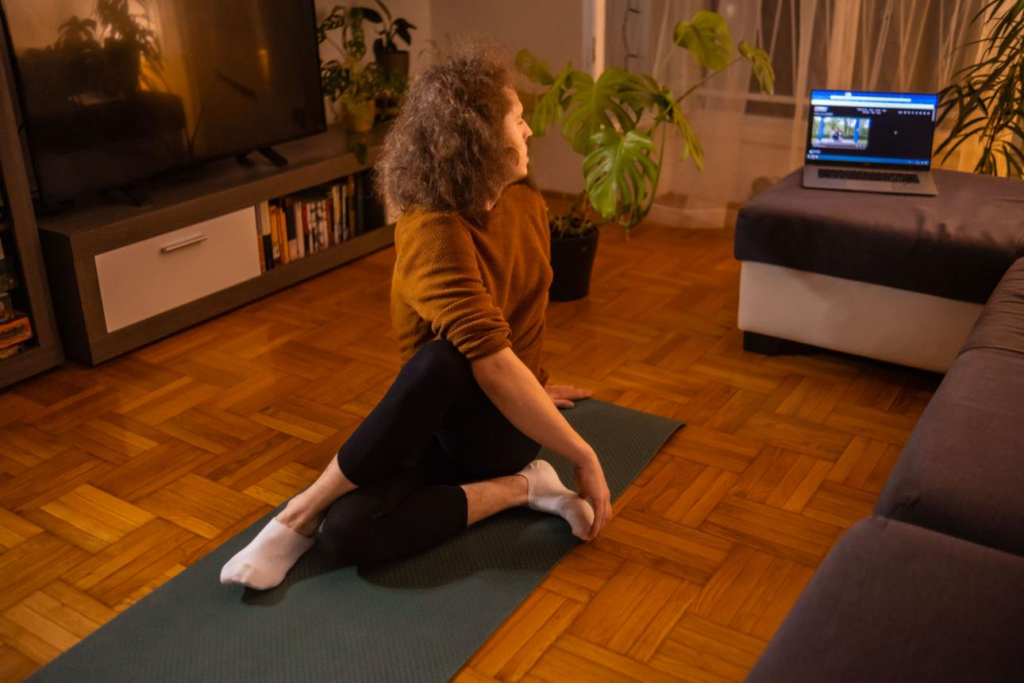
Experts increasingly encourage evening routines that include intentional downshifting activities.
These do not necessarily require expensive wellness products or complicated programs. In many cases, small repetitive habits are most effective because they become psychologically familiar.
Examples include:
- Light stretching
- Warm showers
- Gentle breathing exercises
- Journaling
- Quiet household cleanup
- Low-stimulation hobbies
- Consistent bedtime preparation rituals
How Late-Night Eating Habits Are Changing
Nutrition researchers are also paying closer attention to evening eating behaviors.
Busy schedules often push larger meals later into the evening. Food delivery services and 24-hour convenience culture have made late-night eating more accessible than ever.
Sleep experts note that digestion and sleep can compete physiologically.
Heavy meals close to bedtime may contribute to:
- Acid reflux
- Discomfort
- Elevated body temperature
- Interrupted sleep cycles
- Increased nighttime wakefulness
This does not mean all nighttime eating is problematic. Some individuals benefit from lighter evening snacks depending on activity levels, medication schedules, or metabolic needs.
The larger concern is inconsistency and excessive stimulation through alcohol, sugar-heavy foods, or large meals immediately before sleep.
Many registered dietitians now recommend creating more predictable evening eating windows rather than focusing on rigid restrictions.
Why Consistency Matters More Than Perfection
One trend sleep experts repeatedly emphasize is the importance of realistic routines.
Many Americans abandon sleep-related habits because they attempt overly strict systems that are difficult to maintain.
Sleep researchers generally find that consistency matters more than perfection.
A stable routine that works 80% of the time is often more beneficial than an idealized schedule followed inconsistently.
This includes:
- Going to bed at roughly similar times
- Waking at consistent hours
- Creating repeatable evening cues
- Reducing stimulation gradually
- Avoiding drastic weekday-weekend sleep shifts
Experts say sustainable improvements usually come from small behavioral adjustments rather than dramatic overnight transformations.
The Rise of “Sleep-Friendly Homes”
Interior designers and wellness consultants are also observing changes in how Americans structure their living spaces around relaxation.
Bedrooms are increasingly being viewed as recovery environments rather than multi-purpose entertainment areas.
Some common changes include:
- Warmer lighting tones
- Reduced television use in bedrooms
- Blackout curtains
- Cooler room temperatures
- Minimalist sleep environments
- Sound reduction strategies
Sleep medicine professionals often recommend keeping bedrooms associated primarily with sleep and intimacy rather than work or prolonged digital engagement.
This psychological separation can strengthen sleep cues over time.

What Researchers Say About Alcohol and Evening Relaxation
Alcohol remains one of the most misunderstood parts of nighttime routines.
Many Americans use alcohol to unwind after stressful days. While alcohol may initially create feelings of sedation, sleep researchers consistently note that it can reduce sleep quality later in the night.
Experts frequently observe:
- More fragmented sleep
- Increased nighttime awakenings
- Reduced REM sleep
- Earlier wake times
- Poorer recovery quality
This has led some adults to reconsider habitual nightly drinking patterns, especially as public conversations around wellness and recovery continue evolving.
The discussion is becoming less about strict elimination and more about understanding trade-offs between temporary relaxation and long-term sleep quality.
The Link Between Evening Habits and Morning Energy
Sleep experts increasingly encourage Americans to judge routines based on next-day function rather than bedtime alone.
A routine that appears relaxing but produces poor morning energy may not be genuinely restorative.
Researchers often recommend asking practical questions such as:
- Do I wake feeling mentally clear?
- Am I relying heavily on caffeine to function?
- Do I feel alert by mid-morning?
- Am I frequently irritable or fatigued?
- Do I struggle with concentration during the day?
These daily indicators can sometimes reveal more about sleep quality than total sleep duration alone.
Why Younger Adults Are Driving Many of These Changes
Interestingly, many sleep-related routine changes are being led by younger adults.
Millennials and Gen Z consumers have shown growing interest in:
- Sleep tracking technology
- Evening mindfulness practices
- Reduced nighttime screen use
- Digital wellness boundaries
- Recovery-focused wellness habits
Experts believe part of this shift reflects growing awareness of burnout, mental health strain, and the long-term effects of chronic stress.
At the same time, specialists caution against becoming overly obsessive about sleep optimization itself. Excessive anxiety about achieving “perfect sleep” can sometimes worsen sleep difficulties.
Balance remains important.
Questions Americans Frequently Ask About Evening Routines
How long before bed should screen use be reduced?
Many sleep experts recommend limiting highly stimulating screen exposure approximately one hour before bedtime, although individual sensitivity varies.
Does reading before bed actually help sleep?
For many people, yes. Reading physical books in low lighting can help reduce stimulation and create calming routine cues.
Is it bad to fall asleep with the television on?
Sleep specialists generally advise against it because fluctuating sound and light may disrupt sleep cycles during the night.
What is the ideal bedtime routine?
There is no universal formula. Effective routines are usually consistent, calming, realistic, and personally sustainable.
Can evening exercise affect sleep?
Intense exercise immediately before bed may keep some individuals alert, while lighter movement such as walking or stretching may support relaxation.
Why do people feel tired but unable to sleep?
Stress hormones, mental stimulation, irregular schedules, and anxiety can keep the nervous system activated even when the body feels physically exhausted.
Does late-night eating always disrupt sleep?
Not necessarily. Heavy meals and alcohol are more commonly associated with disruption, while lighter snacks may not affect everyone negatively.
How important is bedroom temperature?
Research often suggests slightly cooler environments may support better sleep quality for many adults.
Are sleep trackers accurate?
Consumer sleep trackers can provide general trends but are not considered perfect diagnostic tools.
When should someone seek professional help for sleep problems?
Persistent insomnia, excessive daytime fatigue, loud snoring, breathing interruptions, or chronic sleep difficulties should be discussed with a healthcare professional.
The Evening Reset Many Americans Are Quietly Building
What sleep experts are noticing is not simply a wellness trend. It is a broader shift in how many Americans think about recovery, attention, and daily balance.
Evening routines are increasingly viewed less as luxury self-care practices and more as functional health habits that influence emotional stability, work performance, physical health, and long-term well-being.
For some people, the change may involve reducing screen time by thirty minutes. For others, it may mean establishing consistent sleep schedules after years of irregular habits.
The most meaningful improvements are often subtle rather than dramatic.
And in a culture that has long rewarded constant stimulation, many Americans are beginning to rediscover the value of intentional quiet at the end of the day.
Small Shifts Readers Are Exploring Most Often
- Earlier device shutoff times
- Consistent weekday and weekend sleep schedules
- Reduced evening work communication
- Lower-light nighttime environments
- Calmer pre-sleep activities
- More intentional stress decompression
- Reduced alcohol before bed
- Bedroom environments designed for rest
- Limiting mentally stimulating content late at night
- Creating repeatable evening cues for relaxation