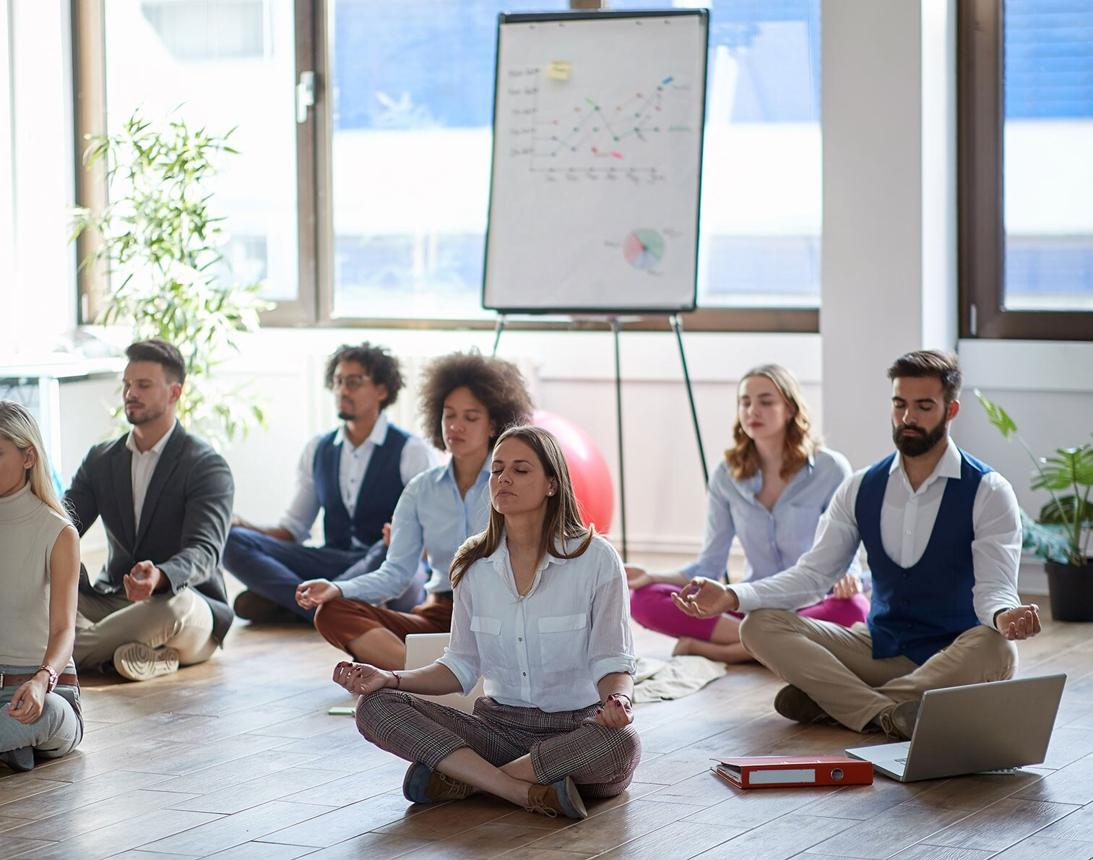
Across the United States, more people are integrating holistic healing into their wellness routines alongside conventional medical care. Interest in practices such as mindfulness, acupuncture, nutrition-focused wellness, yoga, massage therapy, and stress management has grown as Americans look for broader approaches to physical and mental well-being. This shift reflects changing attitudes toward prevention, lifestyle balance, and long-term health management rather than quick fixes.
A Broader Definition of Wellness Is Taking Shape
For decades, healthcare conversations in America focused primarily on diagnosing and treating illness. Today, many consumers are approaching wellness from a wider perspective that includes emotional health, sleep quality, stress reduction, movement, nutrition, and daily lifestyle habits. This evolving mindset is one reason holistic healing practices have gained mainstream attention.
Holistic healing does not necessarily reject traditional medicine. In many cases, Americans are combining conventional healthcare with complementary wellness approaches. A person managing chronic back pain may still work with a physician while also incorporating yoga, massage therapy, stretching routines, and mindfulness exercises into daily life. Someone experiencing stress-related fatigue may consult a healthcare provider while also improving sleep habits, nutrition, and meditation practices.
The key difference is that holistic wellness often focuses on the full picture rather than isolated symptoms alone.
This shift has become increasingly visible in workplaces, fitness culture, mental health discussions, and preventive wellness programs across the country. Employers now commonly offer meditation apps, wellness stipends, mental health resources, ergonomic consultations, and stress-management workshops as part of employee benefits.
Americans are increasingly asking questions such as:
- How can I improve overall wellness naturally?
- What habits support long-term health?
- Are there ways to manage stress beyond medication?
- How do sleep, nutrition, and emotional health connect?
- Can holistic wellness work alongside medical treatment?
These questions reflect broader cultural changes around health priorities.
Why Interest in Holistic Healing Has Expanded in the U.S.
Several major factors are driving the growing curiosity around holistic wellness.
Rising Stress Levels and Burnout
Modern American lifestyles often involve long work hours, constant digital connectivity, irregular sleep, and high stress exposure. According to data from the American Psychological Association, stress levels among Americans have remained consistently elevated in recent years, especially around financial concerns, work pressure, and uncertainty.
As a result, many people are seeking wellness practices that help support emotional resilience and daily balance.
This explains the increased visibility of:
- Meditation and mindfulness apps
- Breathwork classes
- Yoga programs
- Nature-based wellness retreats
- Massage therapy
- Sleep-focused wellness routines
These practices are often viewed as tools for improving quality of life rather than replacing medical treatment.
Greater Focus on Preventive Health
Preventive wellness has become a major conversation in American healthcare. Instead of waiting until health problems become severe, many consumers are paying closer attention to habits that may support long-term well-being.
Holistic wellness often aligns naturally with preventive thinking because it emphasizes:
- Nutrition
- Physical activity
- Stress management
- Sleep consistency
- Emotional well-being
- Lifestyle balance
This preventive approach appeals especially to adults navigating busy careers, parenting responsibilities, and aging-related concerns.
Increased Access to Wellness Information
The internet has dramatically changed how Americans research health and wellness topics. Podcasts, documentaries, fitness experts, licensed therapists, nutrition professionals, and wellness educators now reach millions of people online.
While misinformation remains a concern, access to educational content has also made consumers more aware of integrative approaches that combine medical care with supportive lifestyle practices.
As a result, practices once considered niche have become more mainstream.
The Most Common Holistic Practices Americans Are Exploring
Holistic healing is a broad category that includes many approaches. Some have stronger research support than others, and experiences vary from person to person.
Mindfulness and Meditation
Mindfulness practices have gained wide acceptance across schools, workplaces, healthcare systems, and mental health programs.
Many Americans use meditation to support:
- Stress management
- Focus and concentration
- Sleep quality
- Emotional regulation
- Anxiety reduction
Short guided meditation sessions are now common within corporate wellness initiatives and mobile wellness apps.
Yoga and Gentle Movement
Yoga continues to attract Americans across age groups because it combines movement, flexibility, breathing, and stress reduction in a single practice.
For many individuals, yoga serves practical wellness goals such as:
- Improving mobility
- Supporting posture
- Reducing muscle tension
- Encouraging relaxation
- Enhancing body awareness
Gentle movement programs are especially popular among older adults and individuals recovering from sedentary lifestyles.

Nutrition-Based Wellness
Nutrition has become one of the largest areas of holistic wellness interest in the United States.
Consumers are increasingly paying attention to:
- Whole-food eating patterns
- Hydration
- Gut health discussions
- Reduced ultra-processed food intake
- Meal consistency
- Anti-inflammatory diet conversations
Rather than extreme dieting, many wellness professionals now emphasize sustainable eating habits and long-term consistency.
Acupuncture and Massage Therapy
Complementary therapies such as acupuncture and massage therapy have become more visible in wellness centers, physical therapy programs, and pain-management discussions.
Some Americans explore these therapies for:
- Muscle tension
- Stress reduction
- Recovery support
- Chronic discomfort management
- Relaxation
In many cases, these services are used alongside physical therapy or medical treatment plans.
Why Many Americans Prefer “Integrated Wellness” Instead of Extremes
One of the biggest shifts in recent years is that consumers are moving away from “either-or” thinking.
Many Americans no longer see traditional healthcare and holistic wellness as opposing systems. Instead, they are combining evidence-based medical care with lifestyle-focused wellness practices.
For example:
- A patient may follow a physician’s treatment plan while also improving sleep and stress management.
- Someone in therapy may additionally practice meditation and exercise regularly.
- An athlete may work with sports medicine professionals while also using massage recovery sessions and nutrition coaching.
This blended approach is often called integrative wellness or complementary wellness.
The emphasis is increasingly on balance, sustainability, and informed decision-making rather than rejecting science-based care.
The Role of Mental Health in the Holistic Wellness Movement
Mental health awareness has become one of the strongest drivers behind holistic wellness growth.
Over the last decade, Americans have become more open about discussing:
- Anxiety
- Burnout
- Sleep difficulties
- Emotional fatigue
- Work-related stress
- Digital overload
As conversations around emotional well-being expanded, interest also grew in daily practices that may support mental resilience.
This includes:
- Journaling
- Breathwork
- Walking routines
- Digital detox habits
- Mindfulness training
- Sleep hygiene improvements
Importantly, many mental health professionals emphasize that wellness routines can complement—but not necessarily replace—professional treatment when needed.
That distinction matters because responsible wellness discussions prioritize safety and realistic expectations.

How Social Media Influenced Holistic Wellness Culture
Social media has played a major role in accelerating interest in holistic wellness across the United States.
Platforms featuring wellness creators, fitness educators, nutrition professionals, therapists, and lifestyle influencers have introduced millions of Americans to new routines and practices.
Positive effects include:
- Increased awareness of mental health
- Easier access to wellness education
- Greater openness about stress management
- Community support around healthy habits
However, there are also concerns about misinformation, unrealistic wellness claims, and oversimplified health advice.
Consumers increasingly need to evaluate wellness information carefully and prioritize credible sources, licensed professionals, and evidence-informed guidance.
Questions Americans Frequently Ask About Holistic Healing
Is holistic healing the same as alternative medicine?
Not exactly. Holistic wellness generally focuses on treating the whole person, including lifestyle, emotional well-being, movement, nutrition, and stress management. Some approaches complement traditional medical care rather than replacing it entirely.
Do doctors support holistic wellness practices?
Many healthcare providers support evidence-based wellness habits such as exercise, sleep improvement, stress reduction, nutrition counseling, and mindfulness when used responsibly alongside appropriate medical care.
Why are younger Americans especially interested in holistic wellness?
Younger adults often prioritize preventive health, mental wellness, flexibility, work-life balance, and lifestyle sustainability. Digital wellness culture has also increased exposure to integrative health discussions.
Is holistic wellness expensive?
Some wellness services can be costly, but many holistic practices are low-cost or free, including walking, meditation, stretching, sleep improvement, hydration, and mindfulness exercises.
What Consumers Should Consider Before Trying Holistic Wellness Approaches
As interest grows, experts encourage Americans to approach wellness thoughtfully rather than impulsively.
Helpful guidelines include:
- Verify practitioner credentials
- Research evidence-based information
- Avoid exaggerated promises
- Discuss concerns with healthcare providers
- Focus on long-term habits over quick fixes
- Be cautious with supplements or restrictive wellness trends
Responsible wellness decisions usually involve realistic expectations and gradual lifestyle improvements rather than dramatic transformations.

How Employers and Healthcare Systems Are Responding
Large employers, insurance providers, and healthcare systems have increasingly recognized the connection between stress, lifestyle habits, and long-term health outcomes.
This has led to expanded workplace wellness initiatives such as:
- Mental health support programs
- Guided meditation access
- Fitness reimbursements
- Nutrition education
- Employee assistance programs
- Flexible wellness benefits
Healthcare systems have also shown growing interest in integrative care models that combine medical treatment with supportive wellness strategies.
This trend reflects broader recognition that daily habits often influence overall quality of life.
The Future of Holistic Wellness in America
Holistic wellness is likely to remain a significant part of the American health conversation because it aligns with several long-term societal trends:
- Preventive healthcare awareness
- Mental health prioritization
- Aging population wellness needs
- Burnout prevention
- Lifestyle-driven health management
- Interest in sustainable self-care habits
Rather than replacing conventional healthcare, holistic wellness appears increasingly positioned as a complementary layer within broader health management strategies.
For many Americans, the appeal is not about rejecting modern medicine. It is about building routines that support everyday well-being in practical, sustainable ways.
Where Holistic Wellness Fits Into Everyday Life
The modern American wellness conversation is becoming less about perfection and more about consistency. Many people are discovering that small, sustainable habits—better sleep routines, regular movement, stress management, hydration, balanced nutrition, and mindful downtime—can meaningfully influence daily quality of life.
Holistic healing practices continue gaining attention because they often focus on the broader realities people experience every day: stress, fatigue, burnout, emotional overload, and lifestyle imbalance. As awareness grows, the future of wellness in America will likely continue blending evidence-based medicine with practical, whole-person wellness approaches.
Key Insights From the Growing Wellness Shift
- Americans are increasingly combining holistic wellness with traditional healthcare
- Stress management and mental health awareness are major drivers of interest
- Preventive wellness habits are becoming more mainstream
- Nutrition, sleep, mindfulness, and movement are central wellness priorities
- Consumers are favoring sustainable habits over extreme health trends
- Integrative wellness models are gaining visibility in healthcare and workplaces
- Responsible wellness decisions require credible information and realistic expectations
- Holistic practices are often used to support overall quality of life rather than replace medical care