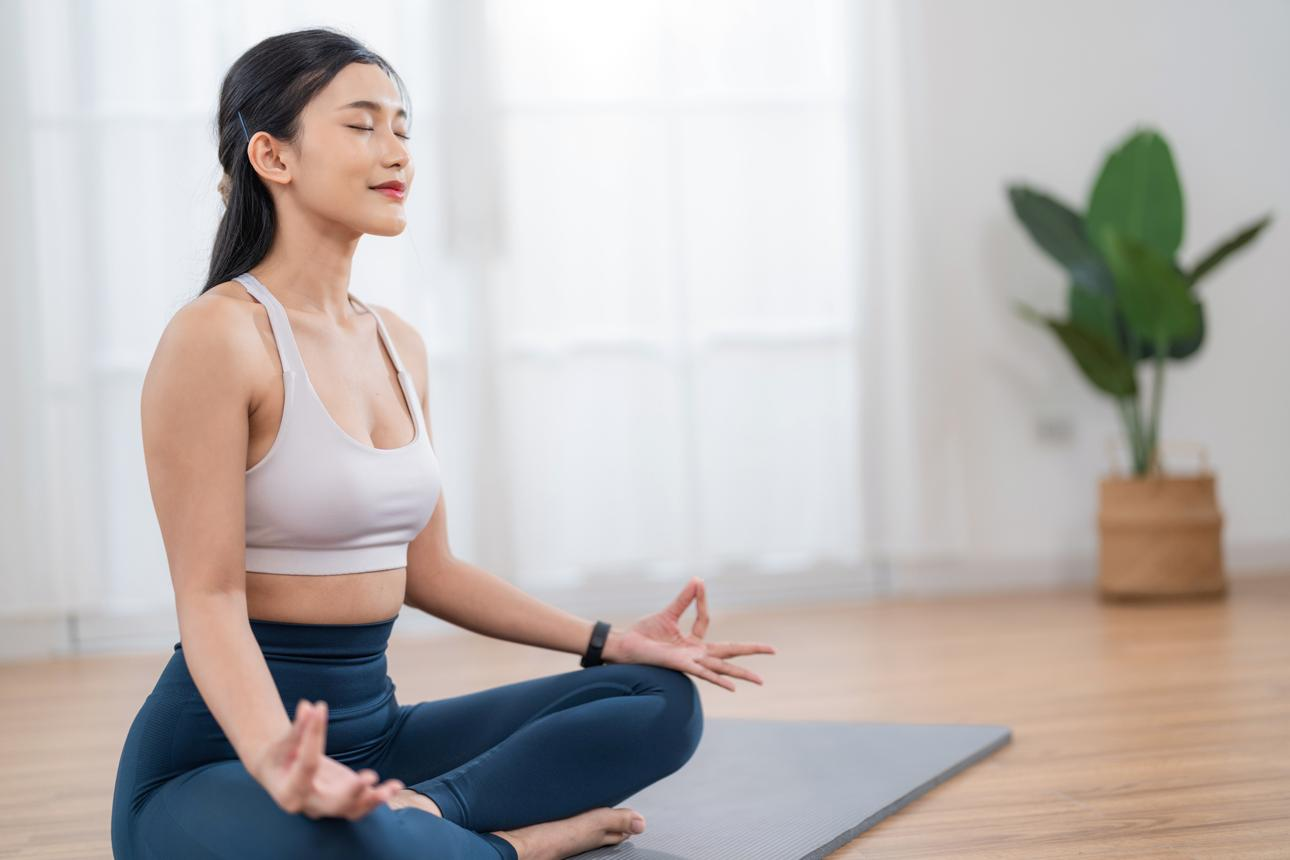
Holistic healing is gaining broader attention across the United States as more Americans look for practical ways to support physical, mental, and emotional well-being alongside conventional healthcare. From mindfulness and breathwork to acupuncture and nutrition-focused lifestyles, many everyday wellness practices are becoming part of mainstream routines. This article explores what holistic healing means today, why interest is growing, and how people are integrating these approaches responsibly.
Holistic Healing in Modern America: The Everyday Practices Gaining New Attention
Across the United States, conversations around health are changing. While traditional medical care remains central to treating illness and managing serious conditions, many Americans are increasingly exploring complementary approaches that focus on the broader connection between mind, body, lifestyle, and emotional well-being.
This growing interest has pushed holistic healing from niche wellness circles into everyday life. Practices once associated mainly with alternative health communities—such as meditation, yoga, herbal support, breathwork, acupuncture, and functional nutrition—are now discussed in workplaces, primary care settings, fitness studios, and even corporate wellness programs.
The shift reflects a larger cultural movement. People are no longer looking only for treatment after symptoms appear. Many are paying closer attention to stress management, sleep quality, emotional balance, preventive care, and sustainable daily habits that support long-term wellness.
Importantly, holistic healing in modern America is rarely about rejecting conventional medicine. Instead, many individuals are using these practices as complementary tools to improve quality of life, reduce stress, and feel more engaged in their own health decisions.
What Does Holistic Healing Actually Mean?
Holistic healing refers to approaches that consider the whole person rather than focusing only on isolated symptoms. The idea is that physical health can be influenced by emotional health, stress levels, sleep patterns, social relationships, nutrition, movement, and environmental factors.
In practice, holistic wellness can include:
- Mindfulness and meditation
- Yoga and mobility exercises
- Acupuncture
- Massage therapy
- Breathwork techniques
- Nutritional counseling
- Herbal wellness traditions
- Journaling and stress-reduction habits
- Sleep optimization
- Nature-based wellness activities
For many Americans, the appeal lies in the practicality of these habits. Instead of viewing wellness as something handled only in medical settings, holistic approaches encourage consistent everyday behaviors that may support overall health.
A growing number of healthcare systems have also started integrating complementary therapies into patient support programs. According to the National Center for Complementary and Integrative Health (NCCIH), millions of Americans use some form of complementary health practice annually, particularly for pain management, stress reduction, and general wellness.
Why Interest in Holistic Healing Is Expanding
Several cultural and lifestyle factors are contributing to the increased attention around holistic wellness practices.
Rising Stress Levels and Mental Fatigue
Modern American life often involves constant digital engagement, demanding work schedules, financial pressure, and information overload. Many individuals are searching for sustainable methods to manage stress beyond temporary coping mechanisms.
Mindfulness apps, guided meditation platforms, and breathing exercises have become especially popular because they are accessible, low-cost, and easy to integrate into daily routines.
Research published by organizations such as the American Psychological Association continues to highlight high levels of stress among U.S. adults, particularly related to work, economic uncertainty, and mental health concerns.
As a result, practices focused on nervous system regulation and emotional balance are attracting wider attention.
Greater Focus on Preventive Wellness
Preventive health is becoming a more common priority among younger and middle-aged Americans. Rather than waiting for health problems to appear, many people are becoming proactive about nutrition, movement, sleep, and stress management.
This has helped normalize practices like:
- Daily stretching routines
- Walking for mental health
- Meal planning focused on nutrient density
- Sleep tracking
- Digital detox habits
- Guided meditation before bed
For example, someone working long hours at a desk may combine traditional medical checkups with ergonomic improvements, yoga sessions, hydration tracking, and mindfulness breaks throughout the workday.
The emphasis is less about perfection and more about building sustainable routines.

Growing Acceptance Within Mainstream Healthcare
One major reason holistic healing is receiving more attention is the growing integration of evidence-informed complementary therapies into mainstream healthcare environments.
Many hospitals and wellness centers now offer services such as:
- Acupuncture for chronic pain support
- Meditation programs for stress management
- Nutrition counseling
- Integrative oncology support
- Therapeutic massage
- Mind-body wellness education
Healthcare providers increasingly recognize that stress, sleep, movement, and lifestyle behaviors can affect recovery, energy levels, and overall well-being.
This does not mean all holistic claims are scientifically proven. However, it reflects a broader willingness to consider supportive practices that may improve patient experience and long-term wellness habits.
The Everyday Practices Americans Are Adopting
Holistic healing today often looks surprisingly ordinary. Many of the most popular practices are simple, low-cost habits rather than dramatic lifestyle changes.
Breathwork and Nervous System Regulation
Breathing exercises have gained attention because they are practical and immediately accessible. Guided breathwork sessions are now common in wellness apps, therapy practices, and even athletic training programs.
People use breathwork for reasons such as:
- Reducing stress before meetings
- Improving focus
- Supporting relaxation before sleep
- Managing feelings of anxiety
- Enhancing mindfulness practices
Simple techniques such as box breathing or extended exhalation exercises are increasingly recommended by wellness professionals and mental health advocates.
For example, an office worker experiencing afternoon stress may spend five minutes using structured breathing exercises instead of scrolling social media during breaks.
Functional Nutrition and Food Awareness
Nutrition has become a central part of holistic wellness discussions in the U.S. Instead of focusing only on calorie restriction, many people are paying closer attention to how food affects energy, digestion, mood, and daily performance.
This shift has increased interest in:
- Whole-food meal preparation
- Anti-inflammatory eating patterns
- Gut health awareness
- Reducing ultra-processed foods
- Hydration habits
- Balanced blood sugar support
Functional nutrition approaches often emphasize consistency rather than extreme dieting trends.
For example, someone struggling with low afternoon energy may experiment with balanced meals containing protein, fiber, and healthy fats rather than relying heavily on caffeine or sugary snacks.
Yoga Beyond Fitness
Yoga in America has evolved beyond its earlier reputation as primarily a fitness trend. Many practitioners now approach yoga as a combination of movement, mobility, breathing, and stress management.
Different demographics are adopting yoga for different reasons:
- Young professionals use it for stress reduction
- Older adults use it for mobility and balance
- Athletes use it for recovery and flexibility
- Parents use it for emotional decompression
Chair yoga, restorative yoga, and short at-home sessions have made the practice more accessible to people who may not identify with traditional studio culture.
Sleep as a Wellness Priority
Sleep optimization has become one of the fastest-growing areas of holistic wellness.
Americans are increasingly aware that poor sleep can affect:
- Mood
- Concentration
- Recovery
- Immune function
- Workplace performance
- Stress resilience
As a result, many people are building evening routines around healthier sleep habits.
Common examples include:
- Reducing late-night screen exposure
- Limiting caffeine intake later in the day
- Using calming nighttime routines
- Practicing meditation before bed
- Maintaining consistent sleep schedules
Sleep-focused wellness products and apps have also become increasingly mainstream, though experts continue emphasizing that foundational habits matter more than expensive gadgets.

Questions Americans Commonly Ask About Holistic Healing
Is holistic healing meant to replace medical treatment?
In most responsible wellness settings, holistic healing is presented as complementary rather than a replacement for professional medical care. Individuals with serious health concerns should continue working with qualified healthcare providers.
Are holistic wellness practices evidence-based?
Some practices have stronger scientific support than others. Meditation, stress reduction techniques, physical activity, sleep improvement, and certain nutritional approaches have substantial research behind them. Other therapies may have more limited evidence and should be approached thoughtfully.
Why are younger Americans more interested in holistic wellness?
Many younger adults prioritize preventive health, work-life balance, mental wellness, and sustainable routines. Social media and digital wellness platforms have also increased exposure to these practices.
Is holistic healing expensive?
Not necessarily. Many holistic practices—walking, stretching, breathing exercises, mindfulness, sleep improvement, hydration, and meal planning—can be low-cost or free.
However, some specialized services such as acupuncture or private wellness coaching may involve significant expenses.
The Role of Technology in Modern Holistic Wellness
Technology has significantly expanded access to holistic wellness practices.
Americans now use digital platforms for:
- Guided meditation
- Virtual yoga classes
- Sleep tracking
- Mental wellness journaling
- Nutrition planning
- Breathwork coaching
This accessibility has helped normalize wellness routines among people who may never visit a wellness center or attend in-person classes.
At the same time, experts caution against treating wellness as constant optimization. Excessive tracking and performance-focused health habits can sometimes create additional stress rather than reducing it.
The healthiest approach is often a balanced one.
What Experts Continue to Emphasize
Despite growing interest in holistic wellness, health professionals consistently stress the importance of critical thinking.
Consumers are encouraged to:
- Verify health information carefully
- Avoid exaggerated health claims
- Be cautious with supplements
- Consult licensed professionals when needed
- Understand that wellness trends are not universal solutions
A responsible approach to holistic healing focuses on long-term lifestyle support rather than quick fixes.
Many experts also emphasize that foundational health behaviors still matter most:
- Consistent sleep
- Physical movement
- Balanced nutrition
- Stress management
- Social connection
- Preventive medical care
These habits remain central regardless of wellness trends.
How Holistic Healing Is Influencing Workplace Culture
Corporate wellness programs in the United States are increasingly incorporating holistic elements into employee support initiatives.
Examples include:
- Guided mindfulness sessions
- Mental health resources
- Flexible wellness stipends
- Meditation spaces
- Stretch breaks during meetings
- Burnout prevention programs
Employers are recognizing that wellness affects productivity, retention, and workplace morale.
This shift reflects broader awareness that employee well-being involves more than physical health alone.
A Changing Relationship With Everyday Health
One of the most notable aspects of holistic healing’s growth is how ordinary it has become.
For many Americans, holistic wellness no longer means following extreme routines or unconventional lifestyles. Instead, it often involves small, repeatable behaviors that support resilience and overall quality of life.
Someone practicing holistic wellness today may simply be:
- Taking daily walks
- Preparing balanced meals
- Improving sleep habits
- Reducing digital overload
- Managing stress intentionally
- Making time for movement and recovery
The focus is increasingly practical rather than performative.
That cultural shift may explain why holistic healing continues gaining attention across different age groups, professions, and communities throughout the United States.
Where the Conversation Around Wellness May Be Heading Next
As healthcare, mental health awareness, and lifestyle habits continue evolving, holistic wellness will likely remain part of broader public health discussions.
Future trends may include:
- Greater integration between medical and wellness services
- More personalized nutrition approaches
- Increased workplace wellness support
- Expanded mental health accessibility
- Greater emphasis on preventive lifestyle habits
- Better consumer education around evidence-based wellness
Americans are becoming more engaged in understanding how everyday routines affect long-term well-being.
And while wellness trends will continue changing, the broader movement toward sustainable, balanced health habits appears likely to remain.
Everyday Wellness Signals Worth Paying Attention To
- Holistic healing is increasingly being used alongside conventional healthcare
- Stress management and preventive wellness are major drivers of interest
- Breathwork, mindfulness, sleep routines, and nutrition are among the fastest-growing practices
- Many holistic habits are accessible and low-cost
- Evidence-based thinking remains essential when evaluating wellness claims
- Workplace wellness culture is shifting toward whole-person support
- Sustainable routines matter more than extreme health trends
FAQ
1. What is holistic healing in simple terms?
Holistic healing refers to wellness approaches that consider the connection between physical, emotional, mental, and lifestyle factors rather than focusing only on symptoms.
2. Is holistic healing popular in the United States?
Yes. Interest in mindfulness, nutrition, yoga, stress reduction, and preventive wellness has grown significantly across the U.S.
3. Can holistic wellness improve stress management?
Many people use practices such as meditation, breathing exercises, movement, and sleep improvement to help manage everyday stress.
4. Are holistic practices scientifically supported?
Some are supported by strong research, while others have limited evidence. Consumers should evaluate claims carefully and consult professionals when needed.
5. What are the most common holistic wellness habits?
Common examples include mindfulness, walking, yoga, hydration, balanced nutrition, journaling, and sleep-focused routines.
6. Is holistic healing expensive?
Many foundational practices are free or low-cost, though specialized services may require additional spending.
7. Why are younger adults interested in holistic wellness?
Many younger Americans prioritize preventive health, emotional well-being, work-life balance, and sustainable lifestyle habits.
8. Can holistic healing replace doctors or medical treatment?
Responsible holistic wellness is generally used as a complementary approach, not a substitute for professional medical care.
9. What role does technology play in holistic wellness?
Apps and digital platforms have made meditation, yoga, breathwork, and wellness education more accessible.
10. What is the biggest misconception about holistic healing?
One common misconception is that holistic wellness requires extreme lifestyles or expensive treatments, when many approaches are simple daily habits.