
Holistic healing has become an increasingly common part of modern healthcare as Americans seek approaches that address physical, emotional, and lifestyle factors alongside conventional medical treatment. This guide explains what holistic healing includes, which therapies have the strongest scientific support, where evidence remains limited, how to evaluate practitioners safely, and how integrative care may complement—not replace—traditional medicine.
Walk into almost any major healthcare system in the United States today, and you’ll likely find services that would have been uncommon in hospitals just a generation ago. Meditation classes, acupuncture clinics, nutrition counseling, yoga therapy, massage therapy, and mindfulness programs are increasingly offered alongside surgery, prescription medications, and physical rehabilitation.
This shift reflects a broader evolution in healthcare rather than a rejection of conventional medicine. More Americans are looking beyond treating symptoms alone and asking a different question:
“How can I support my overall health before illness develops—and improve my quality of life while receiving medical care?”
That question has fueled growing interest in holistic healing.
Holistic healing emphasizes caring for the whole person—body, mind, emotions, social relationships, lifestyle, and, for many people, spiritual well-being. While not every holistic therapy is supported by the same level of scientific evidence, several approaches have earned recognition from respected medical organizations for specific health conditions.
Understanding which therapies are evidence-based, which remain experimental, and how they fit within modern healthcare is essential for making informed decisions.
What Does Holistic Healing Actually Mean?
Holistic healing is often misunderstood as an alternative to modern medicine.
In reality, many healthcare professionals use the term to describe an approach that considers multiple aspects of health instead of focusing exclusively on disease.
Rather than asking only:
“What medication treats this condition?”
Holistic care may also ask:
- How well is the patient sleeping?
- Are stress levels affecting recovery?
- Is nutrition supporting healing?
- Are physical activity levels appropriate?
- Is chronic pain influencing mental health?
- Does the patient have adequate social support?
These questions recognize that many health outcomes are influenced by lifestyle and psychological factors in addition to medical treatment.
Today, many hospitals describe this approach as integrative medicine, meaning conventional medicine is combined with carefully selected complementary therapies supported by evidence.
Why Interest Has Grown Across the United States
Several trends have encouraged Americans to explore holistic care.
Chronic diseases—including diabetes, heart disease, obesity, arthritis, and anxiety disorders—often require long-term management rather than short-term treatment.
Patients are also living longer with chronic conditions, making quality of life an increasingly important healthcare goal.
According to the National Center for Complementary and Integrative Health (NCCIH), millions of American adults use some form of complementary health approach each year, with practices such as yoga, meditation, and dietary supplements among the most common.
Growing public awareness of stress, burnout, sleep quality, and preventive health has also expanded interest in therapies that support overall wellness rather than focusing exclusively on illness.

The Most Common Holistic Therapies People Explore
Not every therapy has the same scientific foundation.
Some have substantial clinical research, while others require additional study.
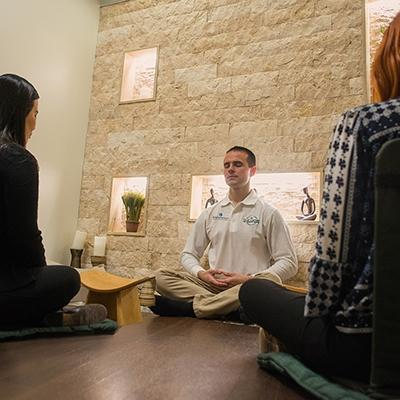
Mindfulness and Meditation
Meditation has become one of the most researched holistic interventions.
Studies suggest mindfulness-based programs may help reduce stress, anxiety, and symptoms of depression while improving emotional resilience in many individuals.
Healthcare systems increasingly recommend meditation for:
- Stress management
- Chronic pain support
- Cancer recovery programs
- Heart disease rehabilitation
- Workplace burnout
Meditation is not considered a cure for disease, but it may improve overall well-being when incorporated into a broader treatment plan.
Yoga Therapy
Yoga combines physical movement, breathing exercises, and relaxation techniques.
Research indicates yoga may benefit:
- Chronic lower back pain
- Balance and flexibility
- Mild anxiety
- Sleep quality
- Arthritis symptoms
Medical professionals often recommend therapeutic yoga programs tailored to individual health conditions rather than advanced fitness-oriented classes.
Acupuncture
Acupuncture has become one of the most widely integrated complementary therapies in American healthcare.
Evidence suggests acupuncture may help some individuals manage:
- Chronic back pain
- Neck pain
- Osteoarthritis pain
- Migraine prevention
- Certain chemotherapy-related side effects
The effectiveness varies depending on the condition, but several professional organizations recognize acupuncture as a reasonable option for selected patients.
Nutrition Counseling
Food choices influence nearly every aspect of health.
Holistic practitioners often emphasize nutrition because dietary habits affect:
- Blood sugar regulation
- Cardiovascular health
- Inflammation
- Digestive health
- Weight management
- Energy levels
Unlike restrictive fad diets, evidence-based nutrition counseling focuses on sustainable eating patterns tailored to individual medical needs.
Massage Therapy
Massage is frequently used alongside physical rehabilitation and pain management.
Potential benefits include:
- Temporary pain relief
- Reduced muscle tension
- Improved circulation
- Relaxation
- Stress reduction
Massage should be viewed as supportive care rather than treatment for serious medical conditions.
Breathing Exercises
Controlled breathing techniques are increasingly incorporated into healthcare settings.
Simple breathing exercises may help lower perceived stress and improve relaxation during:
- Medical procedures
- Chronic illness management
- Recovery from surgery
- Anxiety episodes
Many techniques require only a few minutes each day.
Can Holistic Healing Replace Conventional Medicine?
This is one of the most common questions people ask.
The answer from most physicians is straightforward:
No.
Holistic therapies should generally complement—not replace—evidence-based medical care.
For example:
A patient with high blood pressure may benefit from:
- Prescribed medication
- Regular exercise
- Better sleep
- Weight management
- Stress reduction
- Mindfulness practice
- Nutrition improvements
Each intervention addresses a different aspect of health.
Replacing necessary medication with an unproven therapy could create significant health risks.
What Does the Research Say?
Evidence varies considerably depending on the therapy.
Strongest evidence currently exists for selected uses of:
- Mindfulness
- Meditation
- Exercise-based therapies
- Nutrition interventions
- Yoga for certain musculoskeletal conditions
- Acupuncture for selected pain disorders
Less evidence exists for some herbal products, detox programs, energy healing techniques, and other alternative therapies.
The National Institutes of Health emphasizes evaluating each therapy individually rather than assuming all holistic practices have equal scientific support.

Practical Questions to Ask Before Trying Any Holistic Therapy
Patients can make better decisions by asking thoughtful questions.
Consider asking:
- Is there scientific evidence supporting this therapy?
- What condition is it intended to help?
- Are there known risks?
- Could it interact with my medications?
- Is the practitioner licensed or certified?
- What outcomes should I realistically expect?
- How long should treatment continue before evaluating results?
These conversations help establish realistic expectations.
Choosing Qualified Practitioners
Not every wellness provider has the same level of education or professional oversight.
Look for practitioners who:
- Hold recognized state licenses where required
- Clearly explain treatment goals
- Encourage communication with your physician
- Avoid unrealistic promises
- Discuss possible risks
- Base recommendations on established evidence when available
Be cautious of anyone claiming to cure multiple unrelated diseases with a single treatment.
Holistic Healing in Hospitals and Medical Centers
Many respected healthcare institutions now offer integrative medicine programs.
These may include:
- Nutrition services
- Mindfulness instruction
- Oncology support programs
- Pain management clinics
- Physical therapy
- Behavioral health counseling
- Acupuncture
- Lifestyle medicine
This reflects a growing recognition that physical, emotional, and behavioral health often influence one another.
Everyday Habits That Reflect a Holistic Approach
Holistic healing doesn’t always involve specialized treatments.
Many evidence-supported habits fit naturally within a holistic philosophy.
Examples include:
- Maintaining consistent sleep schedules
- Walking regularly
- Eating more fruits and vegetables
- Reducing tobacco use
- Managing chronic stress
- Staying socially connected
- Spending time outdoors
- Practicing relaxation techniques
- Following preventive healthcare recommendations
- Scheduling routine medical checkups
These lifestyle choices often have stronger scientific support than many commercial wellness products.
Common Misconceptions About Holistic Healing
Several myths continue to circulate.
Myth: Holistic healing means rejecting doctors.
Reality: Most integrative healthcare combines conventional medicine with complementary therapies.
Myth: Natural always means safe.
Reality: Natural supplements may interact with medications or cause side effects.
Myth: Every holistic therapy has scientific proof.
Reality: Research quality varies significantly across therapies.
Myth: One therapy works for everyone.
Reality: Individual responses differ depending on health conditions and personal circumstances.
Real-World Example: Managing Chronic Back Pain
Imagine a 52-year-old office worker experiencing chronic lower back pain.
Rather than relying on medication alone, an integrated care plan might include:
- Medical evaluation to identify the cause
- Physical therapy
- Home stretching exercises
- Therapeutic yoga
- Weight management
- Ergonomic workstation adjustments
- Stress reduction techniques
- Occasional massage therapy
- Appropriate medications when necessary
Each intervention addresses a different contributor to pain.
Together, they may improve function more effectively than relying on a single strategy alone.
Frequently Asked Questions
1. Is holistic healing scientifically proven?
Some therapies have strong scientific evidence for specific conditions, while others require additional research. Evidence should be evaluated individually.
2. Is holistic medicine the same as alternative medicine?
No. Holistic care often includes conventional medicine alongside complementary therapies. Alternative medicine generally refers to approaches used instead of standard medical care.
3. Does insurance cover holistic treatments?
Coverage varies. Some insurance plans cover services such as acupuncture, nutrition counseling, physical therapy, behavioral health, and chiropractic care under certain conditions.
4. Are herbal supplements always safe?
No. Herbs can interact with prescription medications and may not be appropriate for everyone. Always discuss supplements with a healthcare professional.
5. Can meditation improve physical health?
Meditation may help reduce stress and improve emotional well-being, which can indirectly support overall health, but it should not replace medical treatment.
6. What is integrative medicine?
Integrative medicine combines conventional medical care with evidence-informed complementary therapies to support overall health.
7. How can I find a qualified holistic practitioner?
Look for state licensure where applicable, recognized certifications, professional experience, and practitioners who collaborate with your primary healthcare team.
8. Which holistic therapies have the strongest evidence?
Mindfulness, exercise, nutrition counseling, therapeutic yoga for certain conditions, and acupuncture for selected pain disorders have among the strongest research support.
9. Can holistic healing help with stress?
Many evidence-based practices—including meditation, breathing exercises, regular exercise, and cognitive behavioral strategies—can help reduce stress as part of a comprehensive approach.
10. Should I tell my doctor about complementary therapies?
Yes. Informing your healthcare provider helps avoid potential interactions and supports coordinated, safe care.