
Holistic healing focuses on supporting physical, mental, emotional, and lifestyle factors together rather than treating individual symptoms alone. Modern holistic care often combines evidence-based medical treatment with complementary wellness practices such as nutrition, exercise, mindfulness, sleep improvement, and stress management. This guide explains what holistic healing means today, how it works, which approaches have supporting evidence, and how Americans can build sustainable everyday wellness habits.
What Does Holistic Healing Really Mean?
Holistic healing has become one of the most discussed wellness topics in America over the past decade. Yet it is also one of the most misunderstood.
Many people assume holistic healing means replacing conventional medicine with alternative therapies. In reality, reputable healthcare providers increasingly describe holistic care as an approach that considers the whole person—not just a diagnosis or isolated symptom.
Instead of asking only, “How do we treat this illness?” holistic healthcare often asks additional questions:
- How is stress affecting recovery?
- Is sleep contributing to the problem?
- Could nutrition improve health outcomes?
- Does physical activity need attention?
- Are emotional or social factors influencing wellbeing?
The result is a broader view of health that combines medical care with healthy lifestyle choices, mental wellness, preventive strategies, and—in some situations—selected complementary therapies supported by evidence.
Organizations such as the U.S. National Center for Complementary and Integrative Health (NCCIH) emphasize that many complementary practices work best alongside—not instead of—conventional medical care.
Why Holistic Wellness Is Gaining Attention Across the United States
Americans today face health challenges that often extend beyond acute illness.
Many adults juggle demanding careers, family responsibilities, financial pressures, digital overload, and chronic stress. According to the American Psychological Association, stress remains a significant health concern for many Americans, influencing sleep, mood, concentration, and physical wellbeing.
At the same time, chronic diseases—including heart disease, diabetes, obesity, arthritis, and anxiety disorders—are increasingly influenced by lifestyle factors.
This shift has encouraged healthcare professionals to place greater emphasis on prevention and long-term wellness instead of focusing exclusively on treating disease after it develops.
Rather than searching for quick fixes, many individuals now seek sustainable habits that improve overall quality of life.
The Five Core Areas of Modern Holistic Healing
Today’s holistic approach generally centers around several interconnected areas.
Physical Health
Physical wellness remains the foundation.
Holistic practitioners encourage evidence-based habits including:
- Regular physical activity
- Balanced nutrition
- Preventive healthcare visits
- Healthy body weight
- Adequate hydration
- Quality sleep
Exercise alone has been associated with improved cardiovascular health, stronger muscles, reduced anxiety symptoms, and better cognitive function.
Mental Wellness
Mental health influences nearly every aspect of physical health.
Managing stress, practicing emotional awareness, building resilience, and seeking professional counseling when needed all contribute to better long-term wellbeing.
Research consistently shows that chronic stress can contribute to:
- Elevated blood pressure
- Poor sleep
- Reduced immune function
- Digestive problems
- Increased inflammation
Learning healthier coping strategies can make a measurable difference.
Nutrition
Food affects energy, metabolism, inflammation, gut health, and overall wellbeing.
Modern holistic nutrition focuses less on restrictive diets and more on sustainable eating patterns that include:
- Fruits
- Vegetables
- Whole grains
- Lean proteins
- Healthy fats
- Fiber-rich foods
Rather than labeling foods as “good” or “bad,” many nutrition professionals encourage balanced, realistic eating habits.
Movement
Movement extends beyond structured exercise.
Examples include:
- Walking
- Gardening
- Stretching
- Cycling
- Swimming
- Yoga
- Household activities
Consistent daily movement often matters more than occasional intense workouts.
Social and Emotional Health
Relationships have measurable effects on health.
Strong social connections have been associated with:
- Better mental wellbeing
- Lower stress
- Improved recovery after illness
- Longer life expectancy
Holistic wellness recognizes that emotional support can influence physical health.
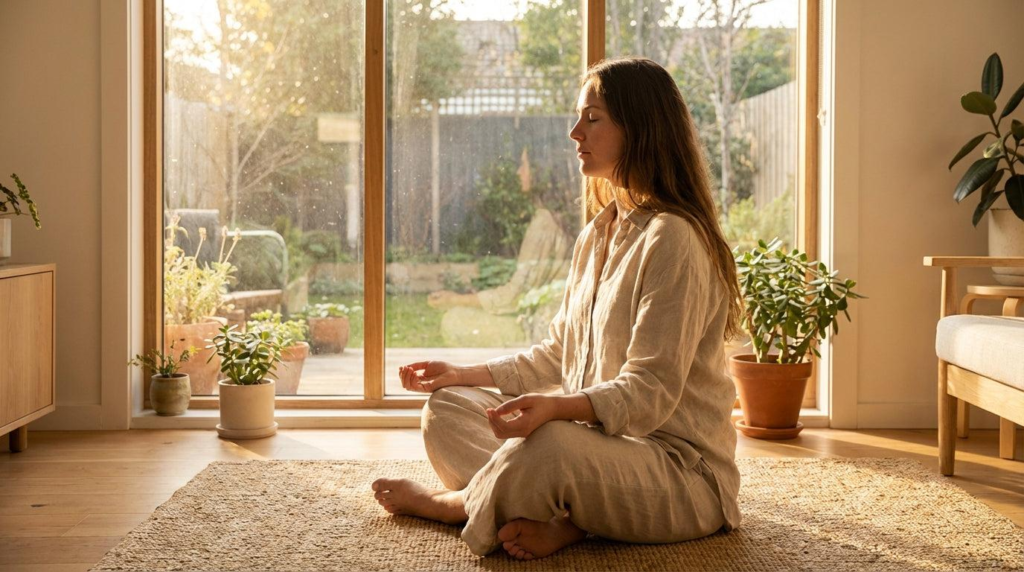
Integrative Medicine: Where Conventional and Holistic Care Meet
One of the biggest developments in healthcare is the growth of integrative medicine.
Integrative medicine combines conventional healthcare with complementary practices supported by scientific evidence.
Examples may include:
- Physical therapy
- Nutrition counseling
- Mindfulness programs
- Meditation
- Acupuncture for certain pain conditions
- Massage therapy
- Behavioral therapy
- Stress management education
Major academic medical centers across the United States now offer integrative medicine programs designed to improve quality of life while maintaining conventional medical treatment.
Complementary Therapies That Have Growing Evidence
Not every wellness trend has scientific support.
However, several complementary therapies have been studied extensively.
Mindfulness Meditation
Mindfulness teaches individuals to observe thoughts and emotions without judgment.
Research suggests mindfulness may help:
- Reduce perceived stress
- Improve emotional regulation
- Support anxiety management
- Improve sleep quality
Yoga
Modern yoga combines movement, flexibility, breathing exercises, and mindfulness.
Studies suggest yoga may help improve:
- Flexibility
- Balance
- Chronic low back pain
- Stress
- Overall quality of life
Acupuncture
Evidence suggests acupuncture may provide relief for certain chronic pain conditions, migraines, and osteoarthritis when performed by qualified practitioners.
It is generally viewed as a complementary—not replacement—therapy.
Massage Therapy
Massage may temporarily reduce muscle tension, improve relaxation, and support recovery from certain musculoskeletal conditions.
Many individuals also report reduced stress following regular massage sessions.
Breathing Exercises
Controlled breathing techniques can activate the body’s relaxation response.
Even five minutes of slow breathing may help reduce feelings of stress during busy days.
Everyday Habits That Support Holistic Health
Holistic healing rarely depends on dramatic lifestyle changes.
Small, consistent habits often produce more sustainable results.
A realistic daily wellness routine might include:
- Drinking water before morning coffee
- Walking for 20–30 minutes
- Eating vegetables with lunch and dinner
- Limiting excessive screen time before bed
- Practicing five minutes of mindful breathing
- Maintaining a consistent sleep schedule
- Spending time outdoors
- Connecting with friends or family regularly
Over weeks and months, these habits can become the foundation of better wellbeing.

What Holistic Healing Is Not
Misunderstandings about holistic wellness remain common.
Holistic healing does not mean:
- Ignoring medical advice
- Refusing prescription medications
- Believing every natural product is safe
- Assuming supplements replace healthy habits
- Expecting immediate results
Natural does not automatically mean harmless.
Some herbs and supplements may interact with medications, making it important to discuss them with healthcare providers.
Common Questions Americans Ask About Holistic Wellness
Can holistic healing replace my doctor?
No.
Holistic healing generally works best alongside qualified medical care rather than replacing it.
Is holistic medicine evidence-based?
Some practices are supported by substantial research, while others have limited evidence.
It’s important to evaluate each therapy individually rather than assuming all holistic approaches are equally effective.
Do I need expensive treatments?
Not necessarily.
Many effective holistic habits—walking, healthy eating, sleeping well, mindfulness, and stress reduction—cost little or nothing.
How long does it take to notice changes?
Lifestyle improvements often develop gradually.
Many people notice better energy or improved sleep within weeks, while broader health improvements may take months depending on individual circumstances.
A Practical Example of Holistic Wellness
Consider someone experiencing frequent fatigue.
Instead of focusing only on one symptom, a holistic approach might explore several contributing factors:
- Sleep duration
- Diet quality
- Physical activity
- Work stress
- Mental health
- Medical conditions
- Medication side effects
The individual may work with a physician to rule out medical causes while also improving nutrition, increasing movement, reducing stress, and creating healthier sleep routines.
Rather than relying on a single solution, improvements come from addressing multiple contributors together.
Building Your Own Holistic Wellness Plan
A simple plan can begin with manageable goals.
Week 1:
- Walk 20 minutes daily.
- Drink more water.
- Add one serving of vegetables each day.
Week 2:
- Improve bedtime consistency.
- Reduce evening screen exposure.
- Practice five minutes of mindfulness.
Week 3:
- Schedule preventive healthcare appointments.
- Review medications with a healthcare provider.
- Evaluate stress triggers.
Week 4:
- Continue successful habits.
- Adjust goals realistically.
- Focus on long-term consistency instead of perfection.
The objective is gradual, sustainable improvement—not dramatic overnight transformation.

Frequently Asked Questions
1. What is holistic healing in simple terms?
Holistic healing is an approach that considers physical, mental, emotional, social, and lifestyle factors together to support overall health.
2. Is holistic healing the same as alternative medicine?
No. Holistic healing often includes conventional medicine alongside complementary therapies, while alternative medicine typically replaces conventional treatment.
3. Are supplements necessary for holistic wellness?
Not for everyone. Many people can support their health through balanced nutrition, physical activity, and healthy lifestyle habits. Supplements should be discussed with a healthcare professional.
4. Can holistic practices help with stress?
Many evidence-based practices—including mindfulness, exercise, yoga, and breathing exercises—may help reduce stress as part of a broader wellness plan.
5. Is holistic healing covered by health insurance?
Coverage varies. Some insurance plans cover services such as nutrition counseling, behavioral therapy, physical therapy, or acupuncture under certain conditions.
6. How do I know whether a holistic practitioner is qualified?
Look for appropriate licensing, certifications, professional credentials, and willingness to coordinate care with your primary healthcare provider.
7. Can children and older adults benefit from holistic wellness?
Healthy nutrition, physical activity, sleep, stress management, and preventive care benefit people across all age groups when tailored appropriately.
8. Does holistic healing involve special diets?
Not necessarily. Most evidence-based holistic nutrition focuses on balanced, sustainable eating rather than restrictive eating plans.
9. Is meditation difficult to learn?
Most beginners can start with just five minutes of guided mindfulness practice and gradually build consistency.
10. What’s the first step toward holistic wellness?
Start with one or two realistic habits—such as improving sleep or walking daily—and build gradually over time.